
Liquid Nitrogen Tank Explosion Risk Analysis: Causes and Preventive Measures
Although liquid nitrogen tanks are designed with strict safety standards, improper use or structural damage can still create explosion risks. Understanding the underlying causes and knowing how to prevent them is essential for protecting equipment, samples, and personnel.
1. Pressure Build-Up Due to Sealing Errors
Liquid nitrogen continuously evaporates, producing gas even at extremely low temperatures. If the tank lid is sealed too tightly or ventilation is blocked, pressure can accumulate inside the container. Since LN₂ tanks are not pressure vessels, excessive internal pressure may lead to tank deformation or rupture.
Prevention: Always ensure the lid is gently closed, never airtight. Keep vent holes unobstructed.
2. Vacuum Layer Failure
The insulating vacuum between the inner and outer walls prevents heat transfer. When this vacuum leaks, the tank warms rapidly, causing accelerated LN₂ evaporation. This sudden boil-off increases internal pressure and may pose a rupture risk.
Prevention: Regularly check for frost on the outer shell and conduct static holding time tests to detect vacuum loss early.
3. Mechanical Damage or Corrosion
Severe dents, impacts, or corrosion on the outer shell compromise structural integrity. A weakened outer wall cannot withstand rapid pressure fluctuations, increasing the likelihood of bursting.
Prevention: Avoid dropping or hitting the tank. Inspect for dents and corrosion monthly, especially on the neck and bottom.
4. Exposure to Extreme Heat
Placing the tank near heat sources or under direct sunlight raises internal temperature, accelerating evaporation and pressure rise.
Prevention: Store tanks in cool, shaded, well-ventilated environments.
5. Improper Modification or Blocked Accessories
Attaching homemade valves, adding seals, or obstructing pressure-relief pathways severely increases explosion risk.
Prevention: Use only certified accessories and do not modify the tank structure.
Conclusion
Most LN₂ tank explosion risks stem from pressure buildup, vacuum failure, and improper use. By following correct operating procedures and maintaining regular inspections, users can ensure safe and reliable long-term performance.
Relevant Information
- Application of Liquid Nitrogen Tanks in Livestock Frozen Semen Preservation
- The Cooling Principle of Liquid Nitrogen Tanks: How Do They Maintain –196°C?
- The Vacuum Layer in Liquid Nitrogen Tanks: Invisible but Essential
- Application Scenarios of Portable Liquid Nitrogen Tanks: From Scientific Resear
- Liquid Nitrogen Tank Maintenance Schedule: Key Points for Regular Inspection an
- Liquid Nitrogen Tank Maintenance Schedule: Key Points for Regular Inspection an
- How Long Can a Liquid Nitrogen Tank Store? Key Factors Affecting Duration
- Liquid Nitrogen Tank Material Comparison: Aluminum Alloy vs. Stainless Steel
- Internal Canister Design in Liquid Nitrogen Tanks: The Key to Sample Safety
- What’s Special About the Lid Sealing Structure of a Liquid Nitrogen Tank?

Latest Products
- 110m3 double wall cryogenic Liqu
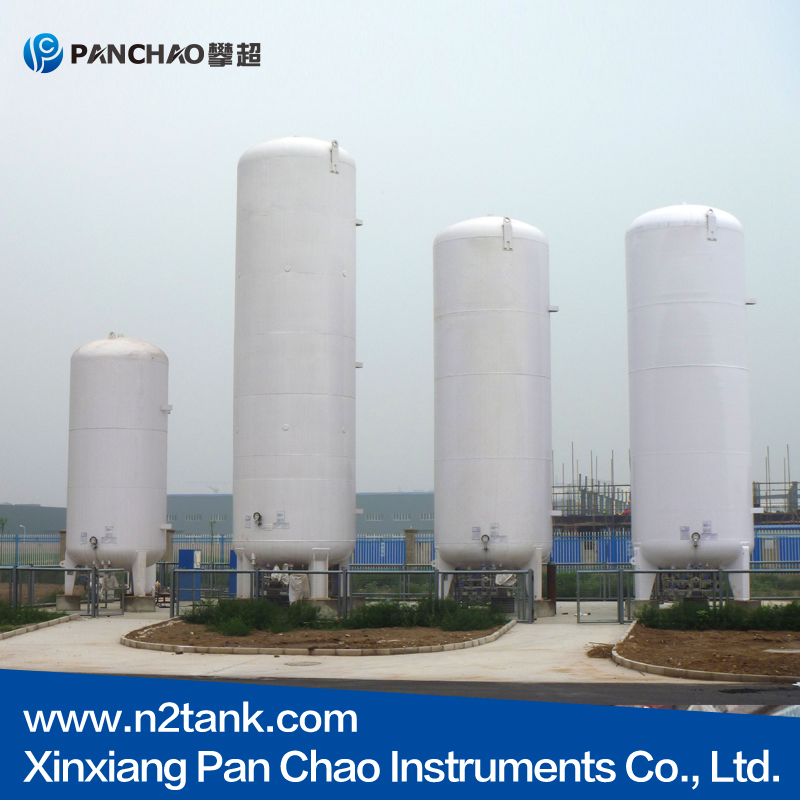
Cryogenic Liquid Tanks are available in vertical or horizonta...[more]
- 2vertical stainless steel pressu
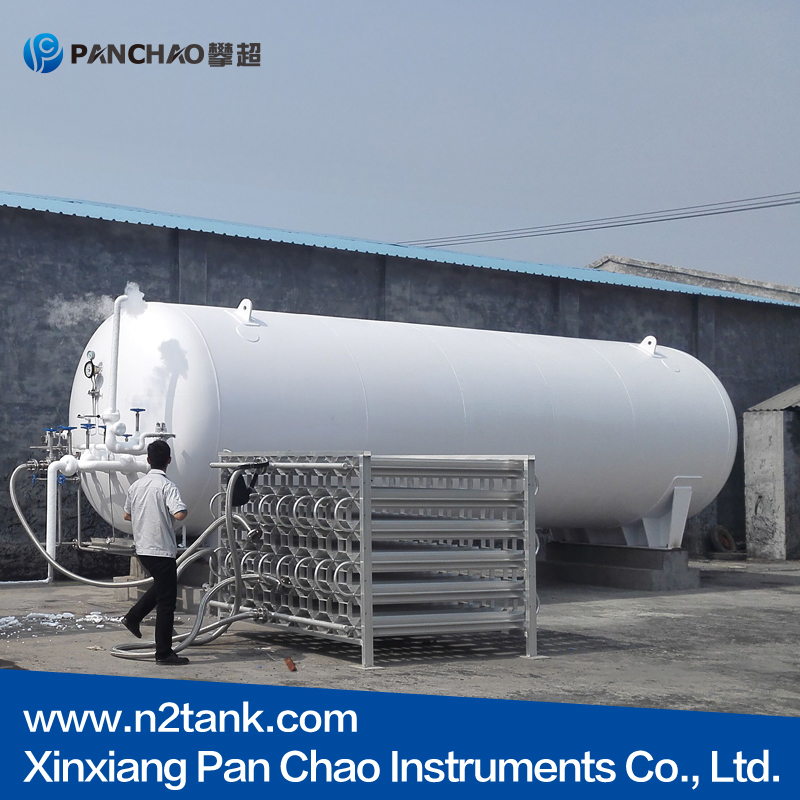
Cryogenic Liquid Tanks are available in vertical or horizonta...[more]
- 310 cubic meters cryogenic Liqui
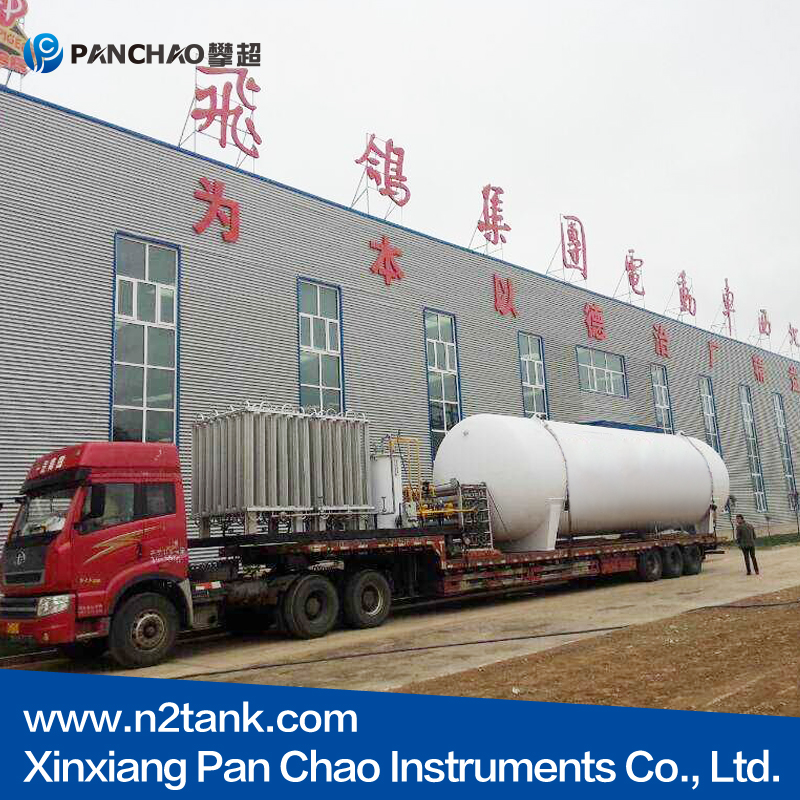
Cryogenic Liquid Tanks are available in vertical or horizonta...[more]
- 4GB150 pressure vessels cryogeni
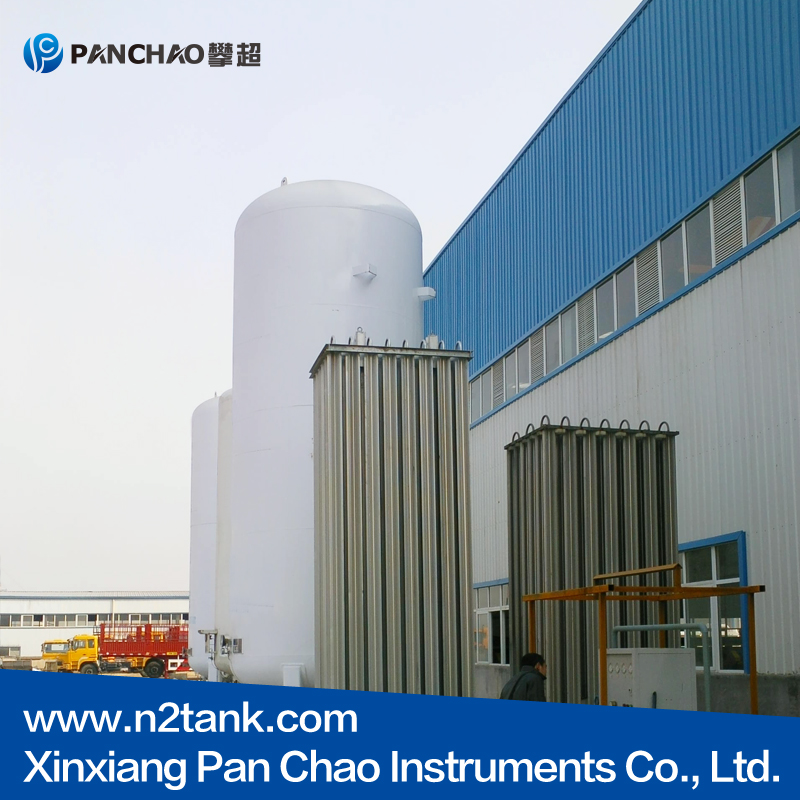
Cryogenic Liquid Tanks are available in vertical or horizonta...[more]
- 5New double Vertical cryogenic L
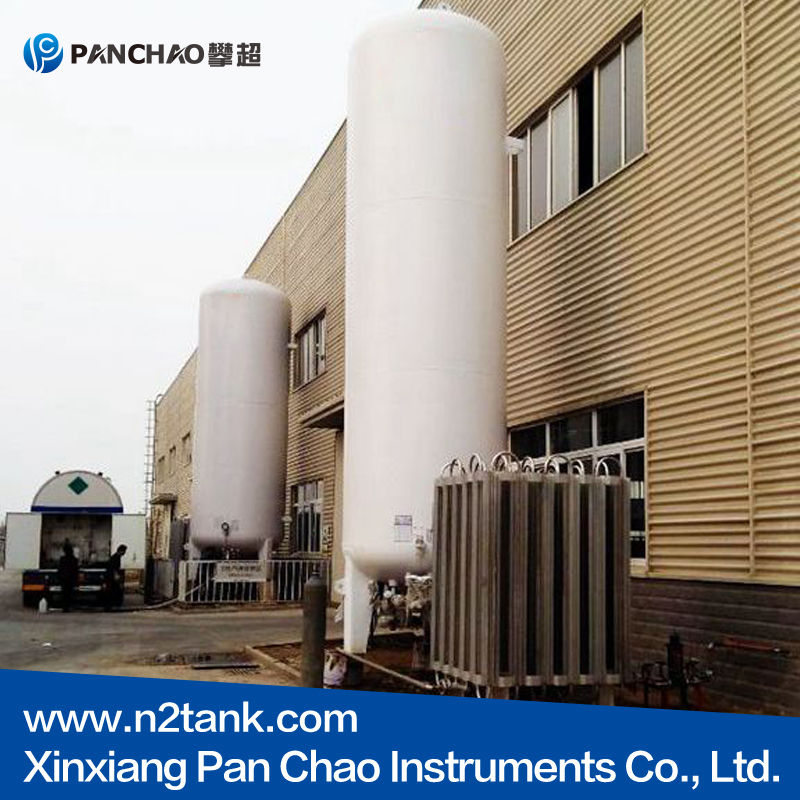
Cryogenic Liquid Tanks are available in vertical or horizonta...[more]
Rankings Of Similar Articles
- Application of Liquid Nitrogen Tanks in Livestock Frozen Seme
- The Cooling Principle of Liquid Nitrogen Tanks: How Do They M
- The Vacuum Layer in Liquid Nitrogen Tanks: Invisible but Esse
- Application Scenarios of Portable Liquid Nitrogen Tanks: From
- Liquid Nitrogen Tank Maintenance Schedule: Key Points for Reg
- Liquid Nitrogen Tank Maintenance Schedule: Key Points for Reg
- How Long Can a Liquid Nitrogen Tank Store? Key Factors Affect
- Liquid Nitrogen Tank Material Comparison: Aluminum Alloy vs.
- Internal Canister Design in Liquid Nitrogen Tanks: The Key to
- What’s Special About the Lid Sealing Structure of a Liquid
Latest Information
- The Cooling Principle of Liquid Nitrogen Tanks: How Do They M
- The Vacuum Layer in Liquid Nitrogen Tanks: Invisible but Esse
- Holiday Notice
- Storage Environment Requirements for Liquid Nitrogen Tanks: T
- Hot sale thawing cup
- Storage of liquid nitrogen tank
- Application of liquid nitrogen tank in heat treatment field
- Liquid nitrogen tank for nitrogen station
- What is the liquid nitrogen tank made of?
- What is the liquid nitrogen tank made of?
