
The Cooling Principle of Liquid Nitrogen Tanks: How Do They Maintain –196°C?
Liquid nitrogen tanks are widely used in laboratories, livestock breeding, medical storage, and biological research. Their ability to maintain ultra-low temperatures as low as –196°C is crucial for sample preservation. But how exactly do these tanks stay so cold? The answer lies in the unique physical properties of liquid nitrogen and the sophisticated thermal design of the tank.
1. The Science Behind –196°C
Liquid nitrogen reaches its extremely low temperature through the process of cryogenic liquefaction. Nitrogen gas is compressed, cooled, and expanded until it transitions into a liquid state at –196°C under normal atmospheric pressure. Once stored in a container, liquid nitrogen naturally tries to warm up and evaporate, absorbing heat from its surroundings in the process. This evaporation (boiling) continuously keeps the remaining liquid nitrogen cold.
2. Vacuum Insulation: The Invisible Hero
The most important reason a liquid nitrogen tank can maintain ultra-low temperatures is its high-vacuum insulation structure.
-
The tank consists of two layers—inner and outer shells—usually made of lightweight aluminum alloy.
-
Between the layers is a high-vacuum space (<10⁻⁴ Pa), which eliminates air convection and drastically reduces heat transfer.
-
Insulating materials such as multilayer reflective foil minimize radiation heat transfer, the last remaining path for thermal energy to enter.
As a result, only a tiny amount of external heat can reach the liquid nitrogen inside.
3. Small Neck Design: Controlling Heat Leakage
The tank’s narrow neck tube greatly reduces the cross-sectional area through which heat can enter. The smaller the opening, the lower the heat exchange—helping maintain stable low temperatures and slow down the natural evaporation rate.
4. Natural Vapor Layer: Additional Protection
As liquid nitrogen slowly evaporates, cold nitrogen vapor fills the upper space of the tank, creating a self-insulating layer. This cold gas forms an extra buffer between the liquid surface and outside heat, further improving cooling efficiency.
5. Material Choice Matters
Aluminum alloy is commonly used because it is
-
lightweight,
-
corrosion-resistant,
-
good at reflecting heat radiation,
-
and structurally stable at cryogenic temperatures.
These properties help the tank maintain long-lasting insulation performance.
6. Why Liquid Nitrogen Tanks Can Hold –196°C for Weeks or Months
Given the combination of
-
high-vacuum insulation,
-
multi-layer reflective barriers,
-
reduced heat leakage through a narrow neck,
-
and the self-cooling effect of nitrogen evaporation,
liquid nitrogen tanks can keep contents at –196°C for extended periods—even 20 to 60 days or longer, depending on tank size and quality.
Conclusion
The ability of a liquid nitrogen tank to maintain –196°C is not due to active cooling systems but rather its engineering design. By combining vacuum insulation, reflective layers, and optimized structural features, these tanks naturally resist heat transfer, allowing liquid nitrogen to remain cold for long-term storage of vital biological samples.
Relevant Information
- The Critical Role of Liquid Nitrogen Tanks in Frozen Semen Storage for the Live
- What Makes the Sealing Structure of a Liquid Nitrogen Tank Lid So Important?
- The Cooling Principle of Liquid Nitrogen Tanks: Why Can They Maintain –196°C
- What Are the Early Warning Signs of Performance Degradation in Liquid Nitrogen
- How Is the Vacuum Layer in a Liquid Nitrogen Tank Manufactured?
- Design Logic of the Inner Canister in Liquid Nitrogen Tanks: How It Protects Sa
- How Is the Static Holding Time of a Liquid Nitrogen Tank Calculated?
- A Detailed Explanation of Liquid Nitrogen Tank Vacuum Technology: The Core of C
- Why Does a Narrower Neck Improve the Insulation of a Liquid Nitrogen Tank?
- Liquid Nitrogen Tank Vacuuming Technology: The Core of Long-Term Insulation

Latest Products
- 110m3 double wall cryogenic Liqu
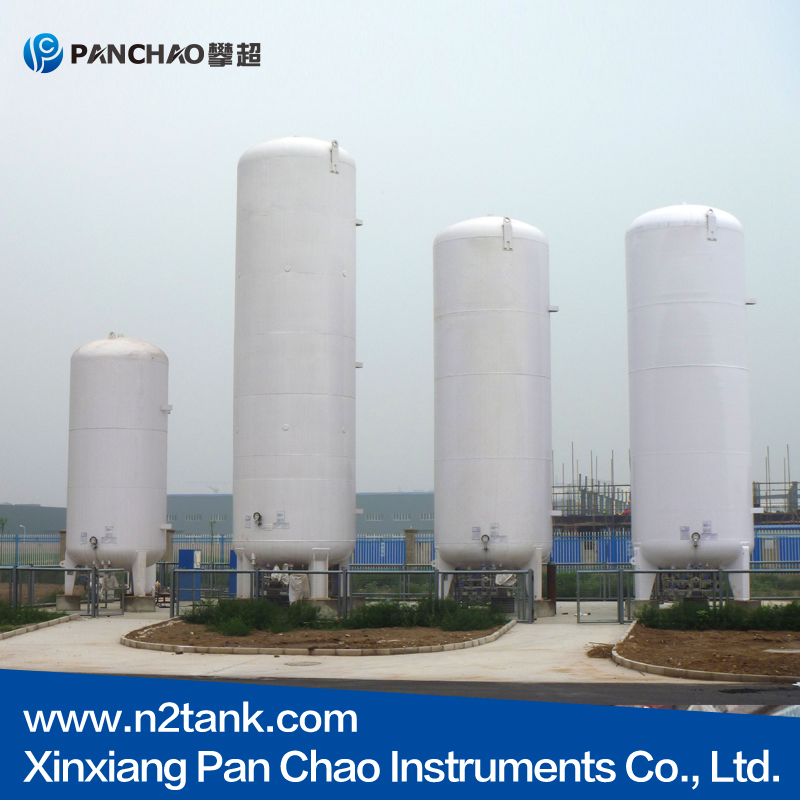
Cryogenic Liquid Tanks are available in vertical or horizonta...[more]
- 2vertical stainless steel pressu
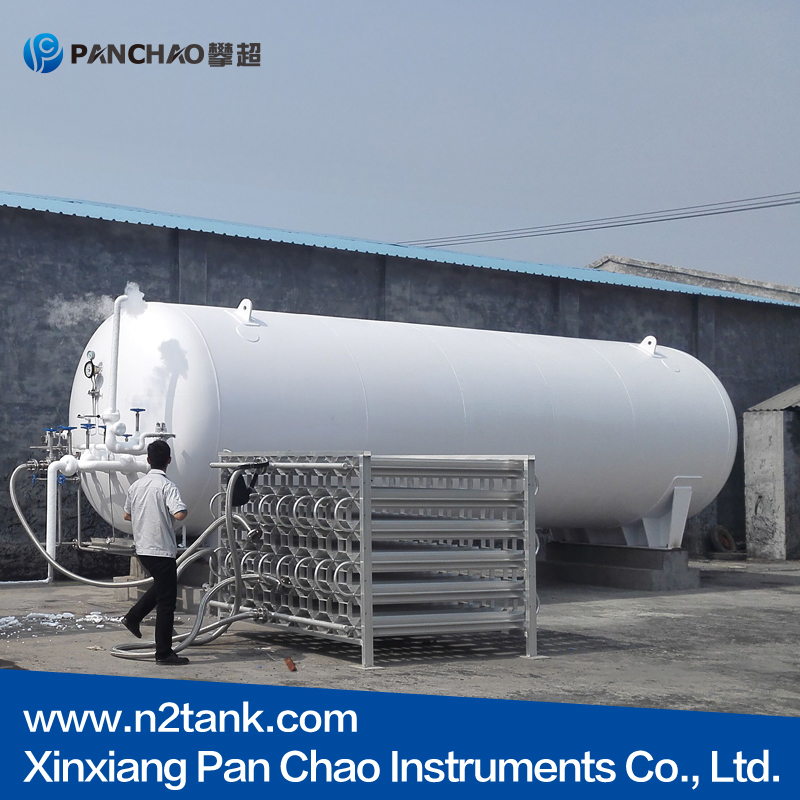
Cryogenic Liquid Tanks are available in vertical or horizonta...[more]
- 310 cubic meters cryogenic Liqui
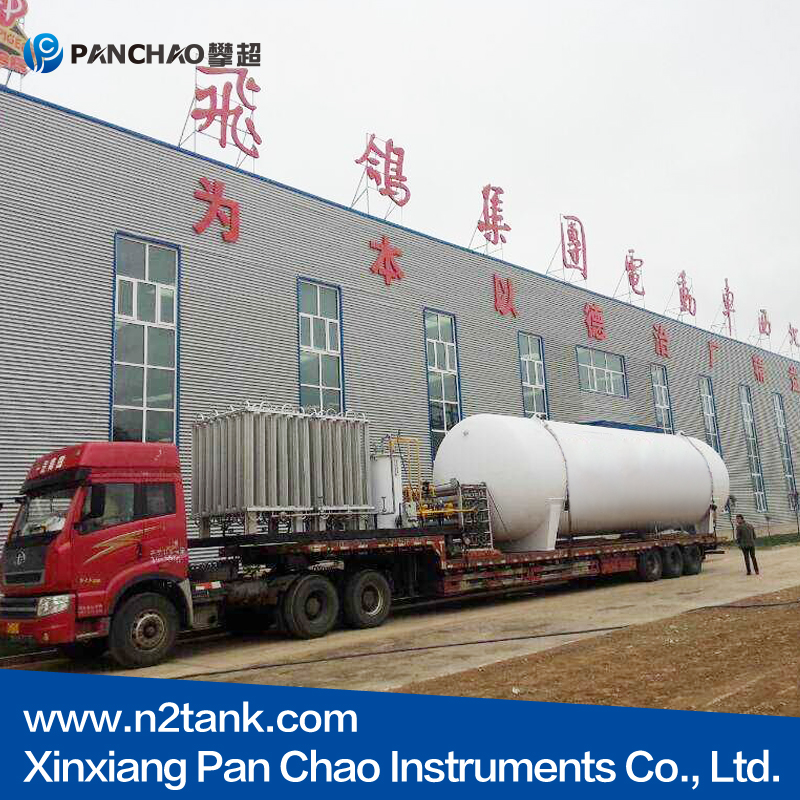
Cryogenic Liquid Tanks are available in vertical or horizonta...[more]
- 4GB150 pressure vessels cryogeni
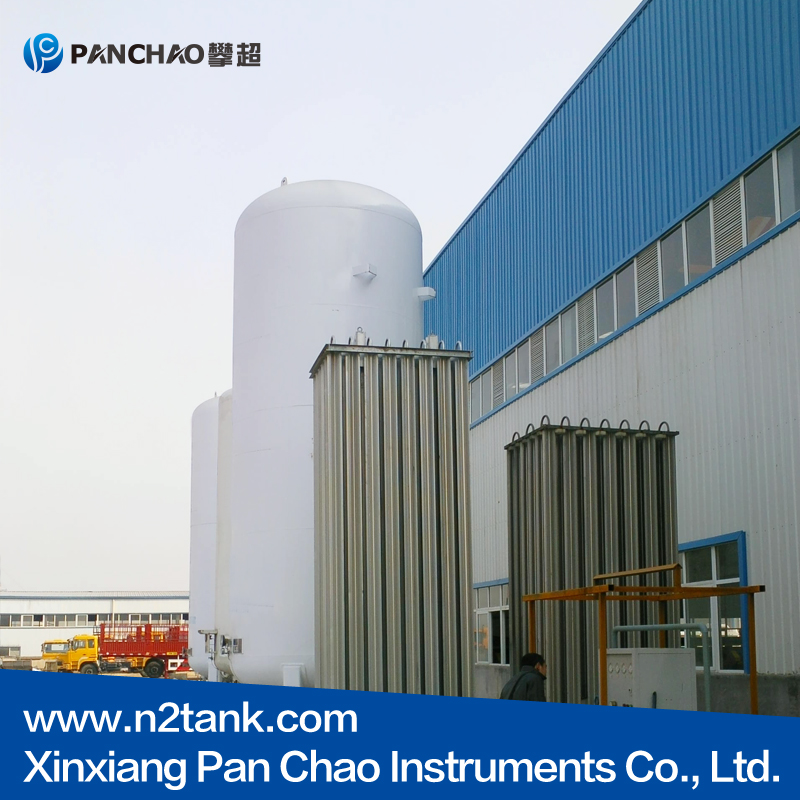
Cryogenic Liquid Tanks are available in vertical or horizonta...[more]
- 5New double Vertical cryogenic L
Cryogenic Liquid Tanks are available in vertical or horizonta...[more]
Rankings Of Similar Articles
- The Critical Role of Liquid Nitrogen Tanks in Frozen Semen St
- What Makes the Sealing Structure of a Liquid Nitrogen Tank Li
- The Cooling Principle of Liquid Nitrogen Tanks: Why Can They
- What Are the Early Warning Signs of Performance Degradation i
- How Is the Vacuum Layer in a Liquid Nitrogen Tank Manufacture
- Design Logic of the Inner Canister in Liquid Nitrogen Tanks:
- How Is the Static Holding Time of a Liquid Nitrogen Tank Calc
- A Detailed Explanation of Liquid Nitrogen Tank Vacuum Technol
- Why Does a Narrower Neck Improve the Insulation of a Liquid N
- Liquid Nitrogen Tank Vacuuming Technology: The Core of Long-T
Latest Information
- Aluminum Alloy vs. Stainless Steel Liquid Nitrogen Tanks: Adv
- The Cooling Principle of Liquid Nitrogen Tanks: How Do They M
- The Vacuum Layer in Liquid Nitrogen Tanks: Invisible but Esse
- Holiday Notice
- Storage Environment Requirements for Liquid Nitrogen Tanks: T
- Hot sale thawing cup
- Storage of liquid nitrogen tank
- Application of liquid nitrogen tank in heat treatment field
- Liquid nitrogen tank for nitrogen station
- What is the liquid nitrogen tank made of?
