
Liquid Nitrogen Tank Vacuuming Technology: The Core of Long-Term Insulation
Vacuuming technology is one of the most critical processes in manufacturing liquid nitrogen tanks. Although the vacuum layer is invisible from the outside, it plays a decisive role in determining the tank’s insulation performance, nitrogen evaporation rate, and overall service life. A high-quality vacuum layer ensures that a tank can maintain liquid nitrogen at −196°C for long periods with minimal loss.
The vacuum layer is created between the tank’s inner liner and outer shell, forming a double-walled structure. During production, specialized vacuum pumps remove air, moisture, and impurities from this space. The goal is to achieve an ultra-low pressure environment that prevents heat transfer through convection and significantly reduces conduction.
A key part of the vacuuming process is bake-out treatment, where the tank is heated while being pumped. This step forces trapped gas molecules and residual moisture out of the metal walls, ensuring a cleaner and more stable vacuum. Without proper bake-out, the vacuum level may degrade quickly after the tank enters service.
Many high-performance liquid nitrogen tanks also incorporate adsorption materials, such as activated charcoal or molecular sieves. These materials capture remaining gas molecules over time and help maintain a long-term high vacuum, even under environmental temperature changes.
Vacuum quality is measured through leak detection, which uses helium mass spectrometry to ensure that the tank has no micro-leaks. Even a tiny leak can cause vacuum decay, increasing evaporation rates and shortening the static holding time.
In summary, vacuuming technology is the foundation of a liquid nitrogen tank’s insulation. From ultra-high vacuum pumping to bake-out and leak detection, every step must be precisely controlled. A stable vacuum layer ensures superior nitrogen retention and reliable protection of stored samples.
Relevant Information
- Portable Liquid Nitrogen Containers
- Neck Opening Design in Liquid Nitrogen Tanks
- Internal Canister Design in Liquid Nitrogen Tanks: A Key to Sample Safety
- Technological Innovations in Liquid Nitrogen Tanks: Smart Monitoring and Remote
- What Are the Early Signs of Liquid Nitrogen Tank Performance Degradation?
- Application of Liquid Nitrogen Tanks in Livestock Frozen Semen Preservation
- The Cooling Principle of Liquid Nitrogen Tanks: How Do They Maintain –196°C?
- The Vacuum Layer in Liquid Nitrogen Tanks: Invisible but Essential
- Liquid Nitrogen Tank Explosion Risk Analysis: Causes and Preventive Measures
- Application Scenarios of Portable Liquid Nitrogen Tanks: From Scientific Resear

Latest Products
- 110m3 double wall cryogenic Liqu
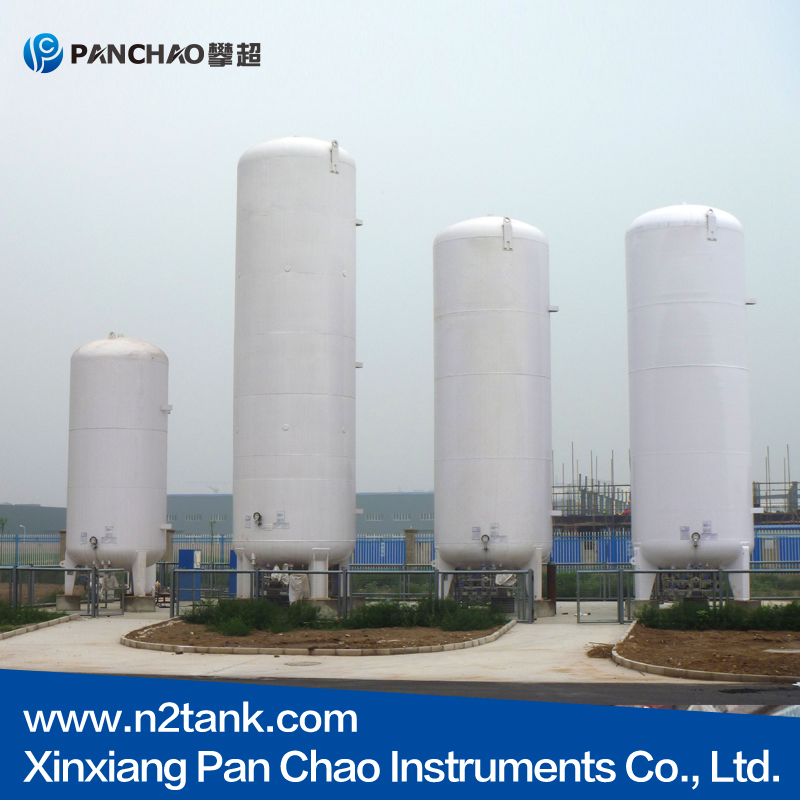
Cryogenic Liquid Tanks are available in vertical or horizonta...[more]
- 2vertical stainless steel pressu
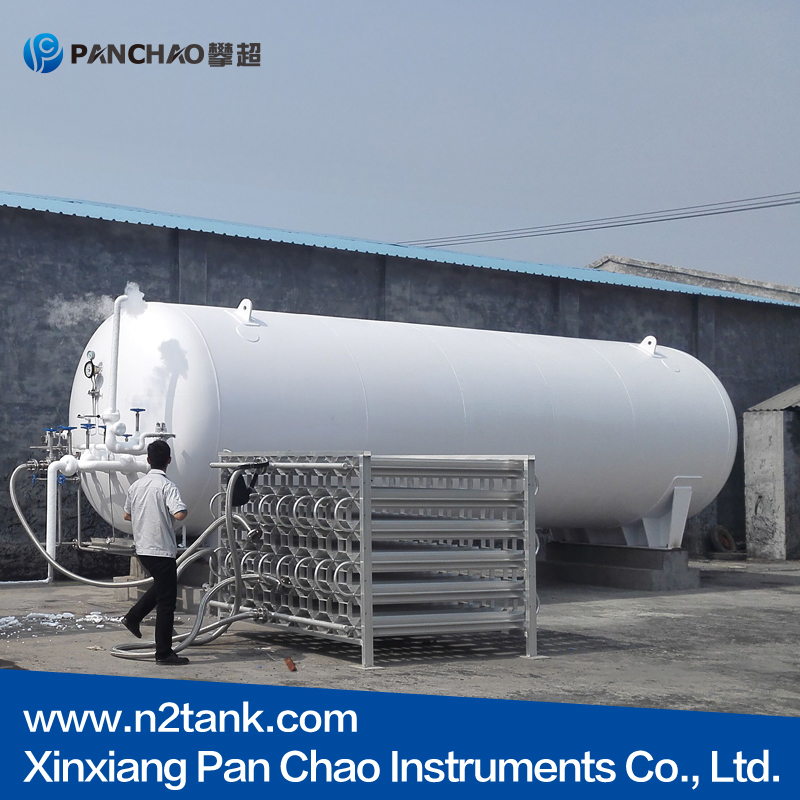
Cryogenic Liquid Tanks are available in vertical or horizonta...[more]
- 310 cubic meters cryogenic Liqui
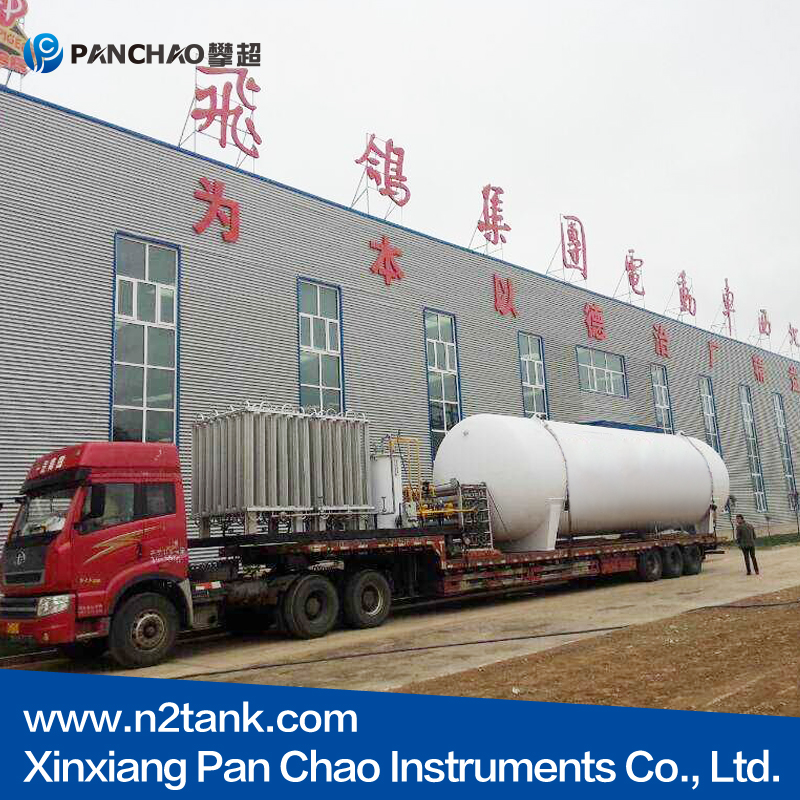
Cryogenic Liquid Tanks are available in vertical or horizonta...[more]
- 4GB150 pressure vessels cryogeni
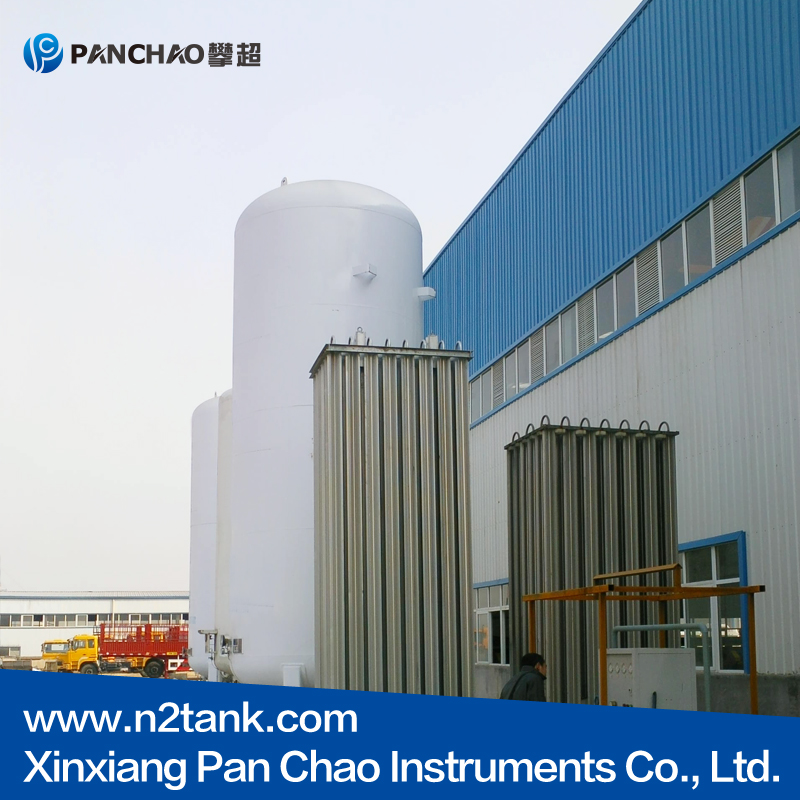
Cryogenic Liquid Tanks are available in vertical or horizonta...[more]
- 5New double Vertical cryogenic L
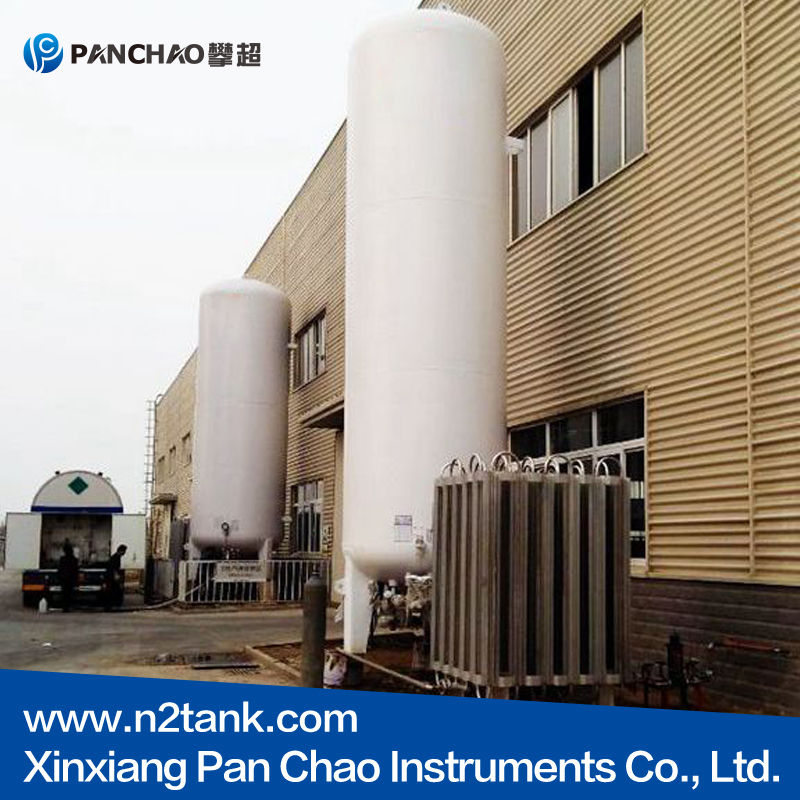
Cryogenic Liquid Tanks are available in vertical or horizonta...[more]
Rankings Of Similar Articles
- Portable Liquid Nitrogen Containers
- Neck Opening Design in Liquid Nitrogen Tanks
- Internal Canister Design in Liquid Nitrogen Tanks: A Key to S
- Technological Innovations in Liquid Nitrogen Tanks: Smart Mon
- What Are the Early Signs of Liquid Nitrogen Tank Performance
- Application of Liquid Nitrogen Tanks in Livestock Frozen Seme
- The Cooling Principle of Liquid Nitrogen Tanks: How Do They M
- The Vacuum Layer in Liquid Nitrogen Tanks: Invisible but Esse
- Liquid Nitrogen Tank Explosion Risk Analysis: Causes and Prev
- Application Scenarios of Portable Liquid Nitrogen Tanks: From
Latest Information
- The Cooling Principle of Liquid Nitrogen Tanks: How Do They M
- The Vacuum Layer in Liquid Nitrogen Tanks: Invisible but Esse
- Holiday Notice
- Storage Environment Requirements for Liquid Nitrogen Tanks: T
- Hot sale thawing cup
- Storage of liquid nitrogen tank
- Application of liquid nitrogen tank in heat treatment field
- Liquid nitrogen tank for nitrogen station
- What is the liquid nitrogen tank made of?
- What is the liquid nitrogen tank made of?
