
Internal Canister Design in Liquid Nitrogen Tanks: A Key to Sample Safety
The internal canister, often referred to as the “lifting canister” or “sample canister,” is one of the most essential components inside a liquid nitrogen tank. Although it appears simple, its structure, materials, and layout directly determine the safety, accessibility, and preservation quality of stored biological samples. A well-designed internal canister ensures not only efficient storage but also stable low-temperature conditions essential for long-term sample protection.
One of the primary design considerations is the material selection. Canisters are commonly made from high-strength aluminum alloys or stainless steel. Aluminum offers excellent thermal conductivity, allowing samples to quickly reach cryogenic temperatures, while stainless steel provides superior durability and corrosion resistance. The choice depends on application needs and the required balance between weight and strength.
Another important design aspect is the perforation layout. Holes on the canister walls promote rapid temperature equalization and nitrogen circulation, which helps samples achieve a uniform −196°C environment. However, perforation size must be optimized: too many holes may compromise structural integrity, while too few can slow cooling efficiency.
The bottom design—leak-bottom versus non-leak-bottom—also plays a crucial role. Leak-bottom canisters allow nitrogen to flow through more freely, improving cooling speed, while closed-bottom designs offer better protection for delicate sample vials by minimizing direct contact with frozen debris.
Proper handle design ensures safe and smooth lifting. Handles must remain easy to grip even when frost forms, and they should provide enough length to prevent operator exposure to extremely cold vapor.
Overall, the internal canister is more than just a storage accessory—it is a critical engineering component that ensures sample integrity and operational convenience. Thoughtful design directly enhances both safety and performance in cryogenic applications.
Relevant Information
- Neck Opening Design in Liquid Nitrogen Tanks
- Internal Canister Design in Liquid Nitrogen Tanks: The Key to Sample Safety
- Design Principles of the Neck Opening in Liquid Nitrogen Tanks: Small Details,
- How the Material of Liquid Nitrogen Tank Canisters Affects Sample Safety
- How to Choose the Right Number of Canisters for Your Liquid Nitrogen Tank
- Is it safe to transport liquid nitrogen tanks? The design of wheels, handles, a
- Structural analysis of liquid nitrogen tank: why is double-layer design crucial
- Structural analysis of liquid nitrogen tank: why is double-layer design crucial
- Design and Structure of Cryogenic Storage Tank
- 10 L Liquid Nitrogen Tank LN2 Dewar Cryogenic Container 6 Canisters

Latest Products
- 110m3 double wall cryogenic Liqu
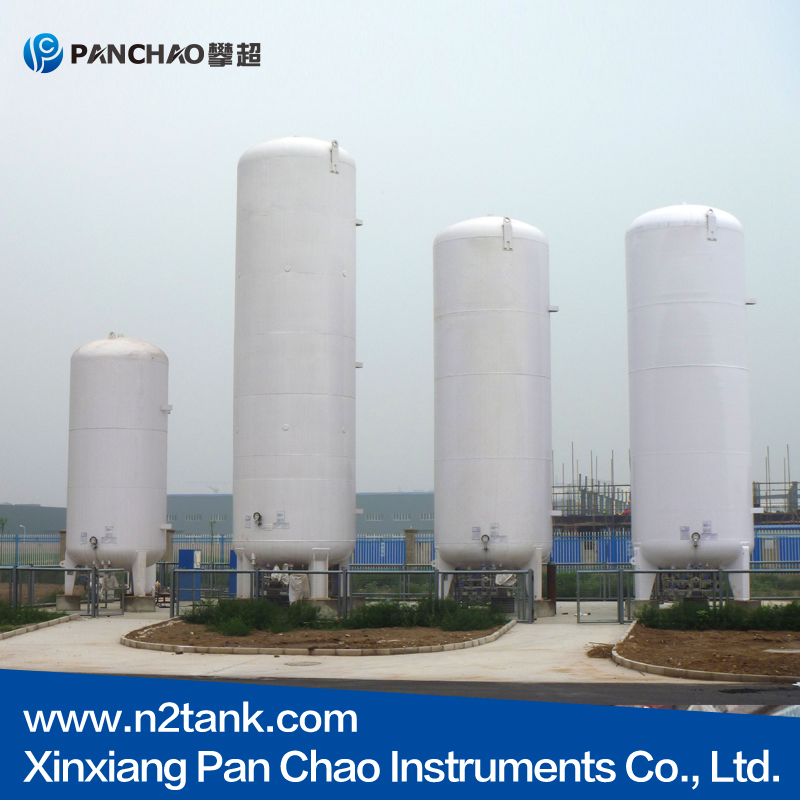
Cryogenic Liquid Tanks are available in vertical or horizonta...[more]
- 2vertical stainless steel pressu
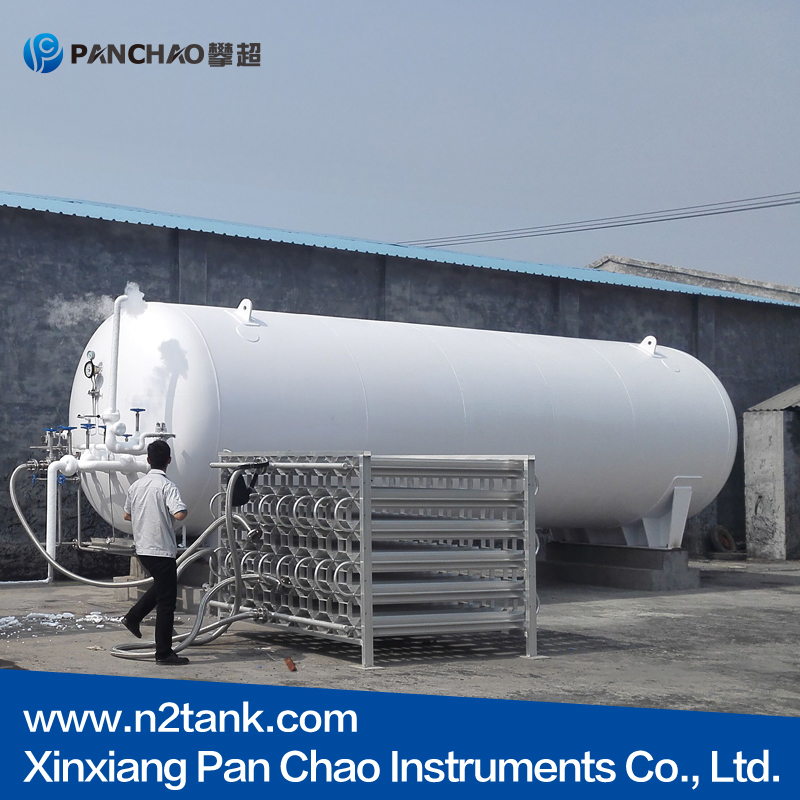
Cryogenic Liquid Tanks are available in vertical or horizonta...[more]
- 310 cubic meters cryogenic Liqui
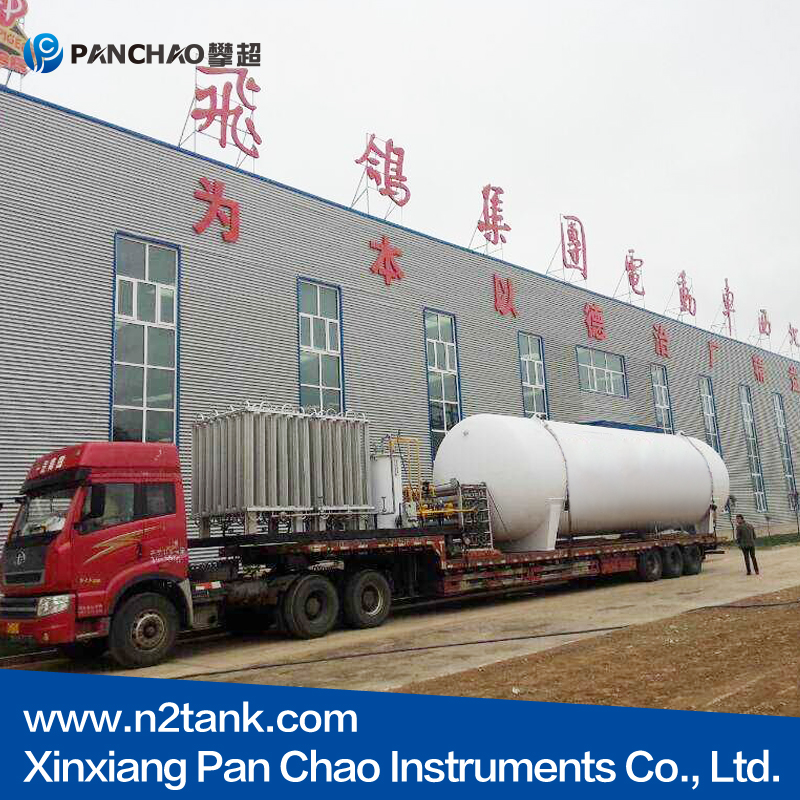
Cryogenic Liquid Tanks are available in vertical or horizonta...[more]
- 4GB150 pressure vessels cryogeni
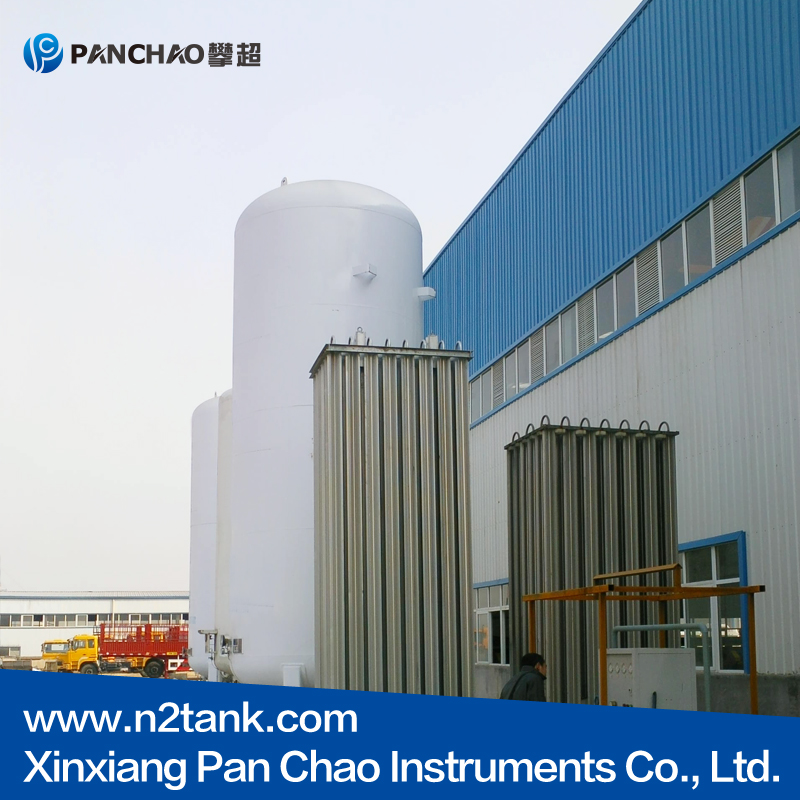
Cryogenic Liquid Tanks are available in vertical or horizonta...[more]
- 5New double Vertical cryogenic L
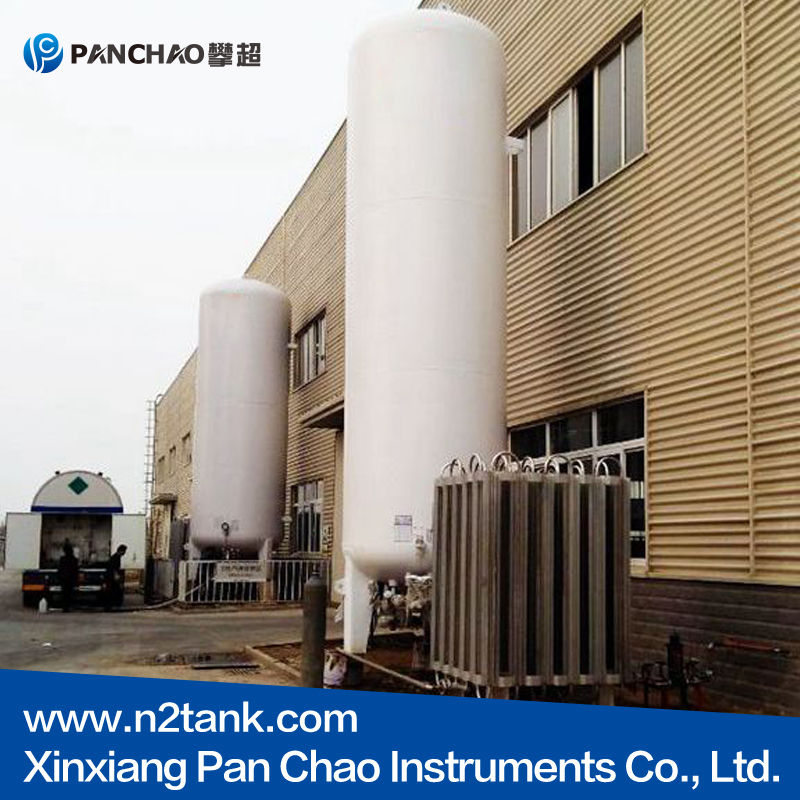
Cryogenic Liquid Tanks are available in vertical or horizonta...[more]
Rankings Of Similar Articles
- Neck Opening Design in Liquid Nitrogen Tanks
- Internal Canister Design in Liquid Nitrogen Tanks: The Key to
- Design Principles of the Neck Opening in Liquid Nitrogen Tank
- How the Material of Liquid Nitrogen Tank Canisters Affects Sa
- How to Choose the Right Number of Canisters for Your Liquid N
- Is it safe to transport liquid nitrogen tanks? The design of
- Structural analysis of liquid nitrogen tank: why is double-la
- Structural analysis of liquid nitrogen tank: why is double-la
- Design and Structure of Cryogenic Storage Tank
- 10 L Liquid Nitrogen Tank LN2 Dewar Cryogenic Container 6
Latest Information
- The Cooling Principle of Liquid Nitrogen Tanks: How Do They M
- The Vacuum Layer in Liquid Nitrogen Tanks: Invisible but Esse
- Holiday Notice
- Storage Environment Requirements for Liquid Nitrogen Tanks: T
- Hot sale thawing cup
- Storage of liquid nitrogen tank
- Application of liquid nitrogen tank in heat treatment field
- Liquid nitrogen tank for nitrogen station
- What is the liquid nitrogen tank made of?
- What is the liquid nitrogen tank made of?
