
What Are the Early Signs of Liquid Nitrogen Tank Performance Degradation?
Liquid nitrogen tanks are designed to maintain extremely low temperatures through high-quality insulation and a stable vacuum layer. Over time, however, even well-maintained tanks may experience performance degradation. Identifying early warning signs is crucial for protecting stored samples, preventing safety hazards, and extending the tank’s service life. Here are the most common indicators that a liquid nitrogen tank may be losing efficiency.
One of the earliest signs is shortened static holding time. If a tank that previously maintained liquid nitrogen for 40 days suddenly lasts only 25–30 days, the vacuum insulation may already be weakening. This decline typically indicates issues such as vacuum leakage, aging insulation materials, or micro-cracks in the inner chamber.
Another important warning sign is frosting or condensation on the outer surface. A healthy tank’s vacuum layer prevents cold from transferring outward. If the neck area, shoulder, or body begins to frost, it means the insulation barrier is compromised and the tank is losing nitrogen faster than expected.
Users should also watch for unusual boiling or loud bubbling sounds. While some evaporation is normal, noisy or continuous boiling indicates increased heat transfer caused by vacuum failure or structural deformation of the inner vessel.
Additionally, abnormal weight loss during routine checks is a reliable indicator. If daily or weekly weighing shows nitrogen evaporating faster than normal, the tank’s performance is declining even if no external signs are visible.
Finally, neck tube deformation or cracks can significantly accelerate heat leakage. Since the neck tube is a critical element of insulation, any damage directly reduces holding time.
Recognizing these early signals allows users to act promptly—sealing small leaks, repairing vacuum issues, or replacing the tank before valuable samples are compromised. Regular monitoring remains the key to long-term reliability.
Relevant Information
- The Cooling Principle of Liquid Nitrogen Tanks: How Do They Maintain –196°C?
- The Vacuum Layer in Liquid Nitrogen Tanks: Invisible but Essential
- Liquid Nitrogen Tank Maintenance Schedule: Key Points for Regular Inspection an
- Liquid Nitrogen Tank Maintenance Schedule: Key Points for Regular Inspection an
- Internal Canister Design in Liquid Nitrogen Tanks: The Key to Sample Safety
- What’s Special About the Lid Sealing Structure of a Liquid Nitrogen Tank?
- How is the static shelf life of liquid nitrogen tanks calculated?
- Guide to Choosing the Right Liquid Nitrogen Tank: From Laboratories to Livestoc
- Design Principles of the Neck Opening in Liquid Nitrogen Tanks: Small Details,
- What to Do If a Liquid Nitrogen Tank Leaks: Detection and Repair Guide

Latest Products
- 110m3 double wall cryogenic Liqu
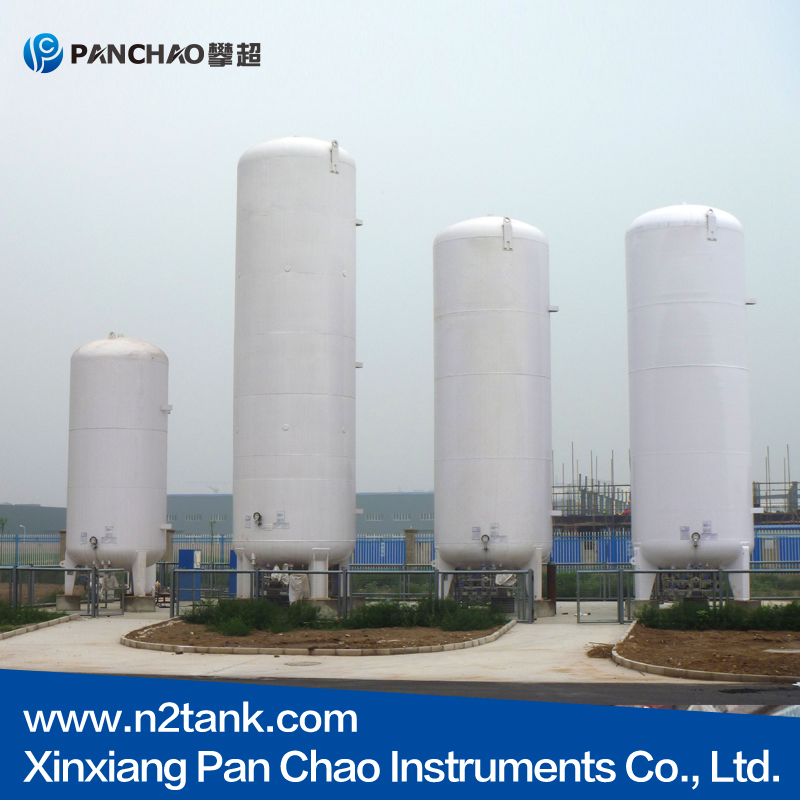
Cryogenic Liquid Tanks are available in vertical or horizonta...[more]
- 2vertical stainless steel pressu
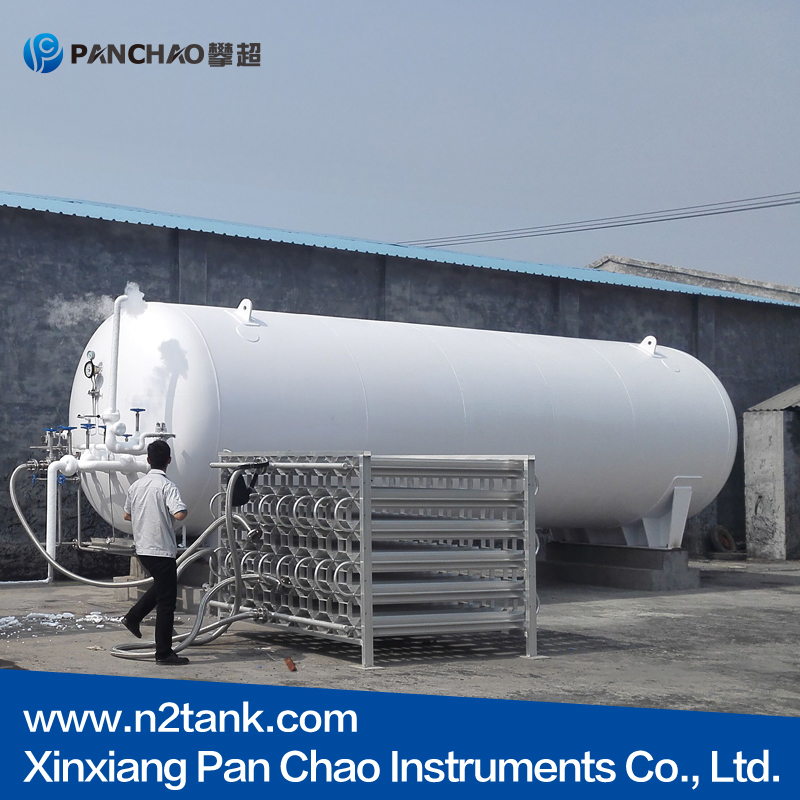
Cryogenic Liquid Tanks are available in vertical or horizonta...[more]
- 310 cubic meters cryogenic Liqui
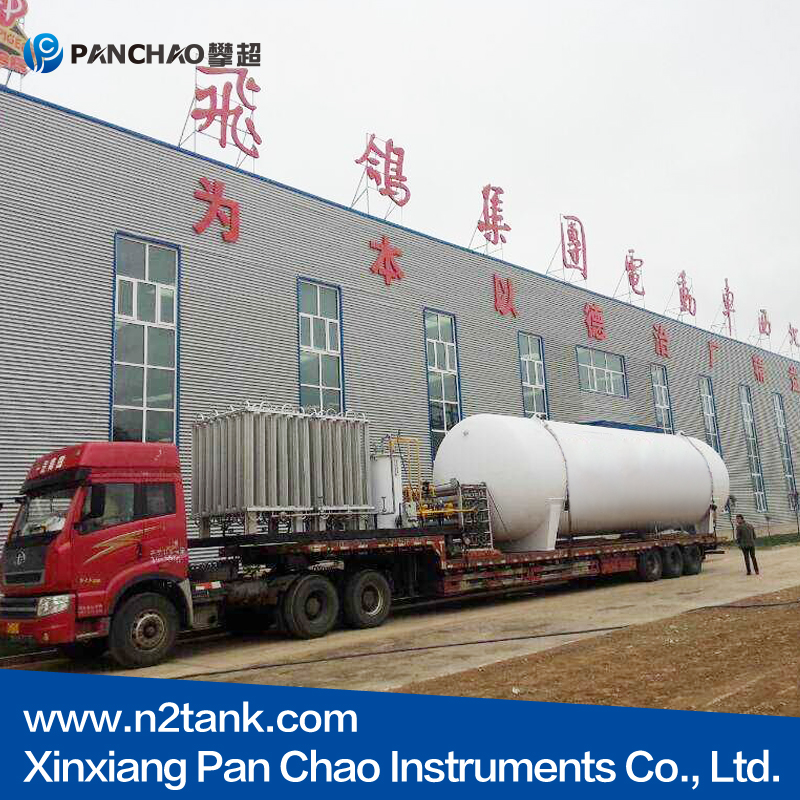
Cryogenic Liquid Tanks are available in vertical or horizonta...[more]
- 4GB150 pressure vessels cryogeni
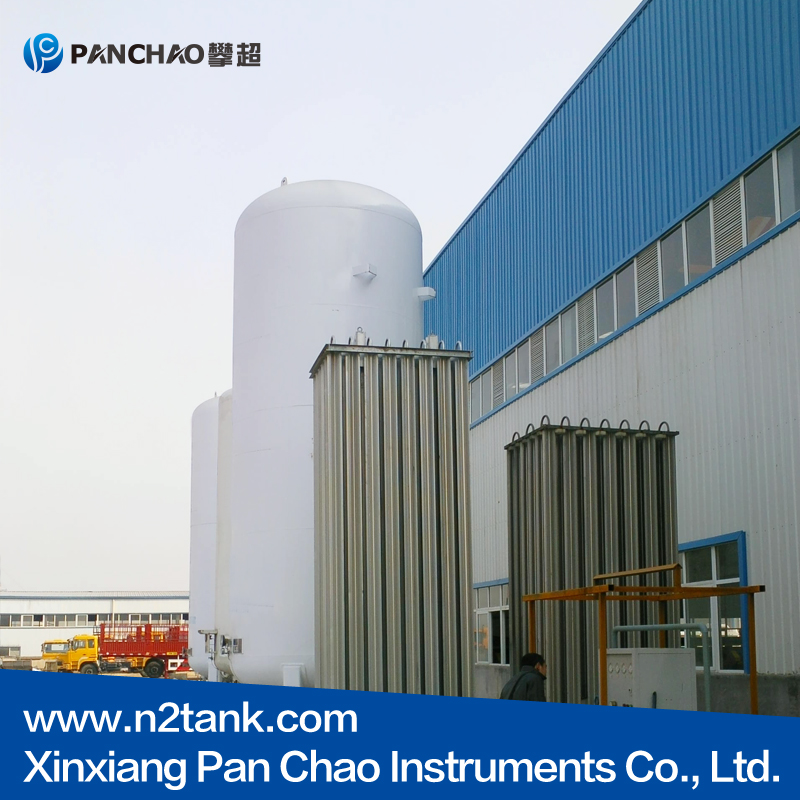
Cryogenic Liquid Tanks are available in vertical or horizonta...[more]
- 5New double Vertical cryogenic L
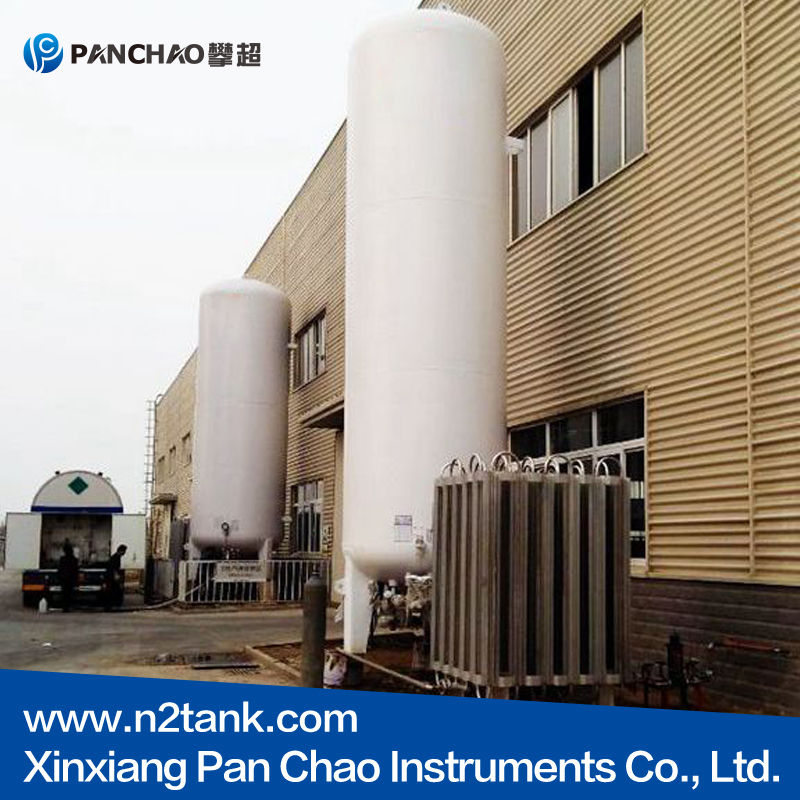
Cryogenic Liquid Tanks are available in vertical or horizonta...[more]
Rankings Of Similar Articles
- The Cooling Principle of Liquid Nitrogen Tanks: How Do They M
- The Vacuum Layer in Liquid Nitrogen Tanks: Invisible but Esse
- Liquid Nitrogen Tank Maintenance Schedule: Key Points for Reg
- Liquid Nitrogen Tank Maintenance Schedule: Key Points for Reg
- Internal Canister Design in Liquid Nitrogen Tanks: The Key to
- What’s Special About the Lid Sealing Structure of a Liquid
- How is the static shelf life of liquid nitrogen tanks calcula
- Guide to Choosing the Right Liquid Nitrogen Tank: From Labora
- Design Principles of the Neck Opening in Liquid Nitrogen Tank
- What to Do If a Liquid Nitrogen Tank Leaks: Detection and Rep
Latest Information
- The Cooling Principle of Liquid Nitrogen Tanks: How Do They M
- The Vacuum Layer in Liquid Nitrogen Tanks: Invisible but Esse
- Holiday Notice
- Storage Environment Requirements for Liquid Nitrogen Tanks: T
- Hot sale thawing cup
- Storage of liquid nitrogen tank
- Application of liquid nitrogen tank in heat treatment field
- Liquid nitrogen tank for nitrogen station
- What is the liquid nitrogen tank made of?
- What is the liquid nitrogen tank made of?
