
A Detailed Explanation of Liquid Nitrogen Tank Vacuum Technology: The Core of Cold Retention
The ability of a liquid nitrogen tank to maintain extremely low temperatures depends largely on one critical engineering feature: its high-vacuum insulation layer. While the aluminum shell and neck tube play important roles, it is the vacuum technology—often hidden between the inner and outer walls—that ultimately determines how long the tank can retain its cold energy.
At the heart of this design is the high vacuum layer, usually reaching pressures as low as 10⁻³ to 10⁻⁵ Pa. Removing air molecules from this space drastically reduces heat transfer through conduction and convection. With almost no particles present to carry thermal energy, the inner chamber stays insulated from the warmer external environment, allowing liquid nitrogen to remain at –196°C for extended periods.
To further enhance insulation, manufacturers apply multi-layer insulation (MLI) inside the vacuum gap. These layers, made of reflective aluminum foil and low-conductivity spacers, minimize radiant heat transfer. Radiant heat is the only type of heat that can still pass through a vacuum, and MLI can reduce it by more than 90%. The combination of vacuum and MLI forms a powerful thermal barrier.
Achieving and preserving this vacuum requires specialized processes. Tanks undergo deep vacuum pumping, often with molecular pumps or diffusion pumps, followed by baking to remove moisture and volatile gases. After the target vacuum is reached, the tank is sealed and monitored to ensure long-term stability. Even a slight vacuum degradation can significantly shorten static holding time, increase evaporation loss, and compromise sample safety.
Finally, getter materials—such as activated charcoal or metal oxides—are placed inside the vacuum cavity to absorb residual gases over time. These getters prolong the lifespan of the vacuum, ensuring consistent cold retention.
In summary, vacuum technology is the foundational element that enables liquid nitrogen tanks to maintain ultra-low temperatures. It is the invisible but essential system that safeguards sample integrity and extends tank efficiency.
Relevant Information
- A Complete Analysis of Application Scenarios for Portable Liquid Nitrogen Tanks
- Why Does a Narrower Neck Improve the Insulation of a Liquid Nitrogen Tank?
- Portable Liquid Nitrogen Containers
- Liquid Nitrogen Tank Vacuuming Technology: The Core of Long-Term Insulation
- Neck Opening Design in Liquid Nitrogen Tanks
- Internal Canister Design in Liquid Nitrogen Tanks: A Key to Sample Safety
- Technological Innovations in Liquid Nitrogen Tanks: Smart Monitoring and Remote
- What Are the Early Signs of Liquid Nitrogen Tank Performance Degradation?
- Application of Liquid Nitrogen Tanks in Livestock Frozen Semen Preservation
- The Cooling Principle of Liquid Nitrogen Tanks: How Do They Maintain –196°C?

Latest Products
- 110m3 double wall cryogenic Liqu
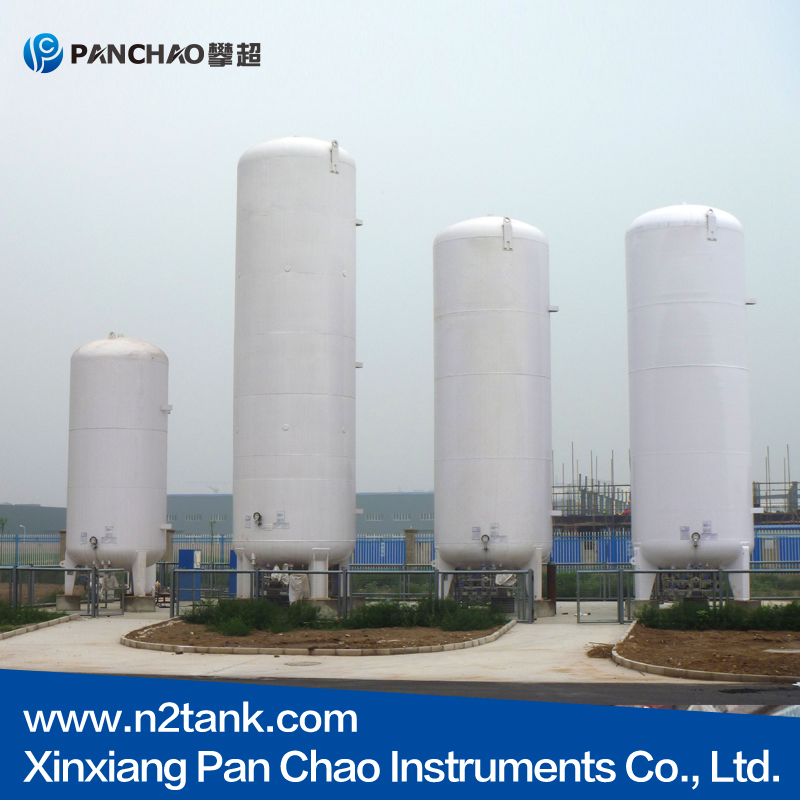
Cryogenic Liquid Tanks are available in vertical or horizonta...[more]
- 2vertical stainless steel pressu
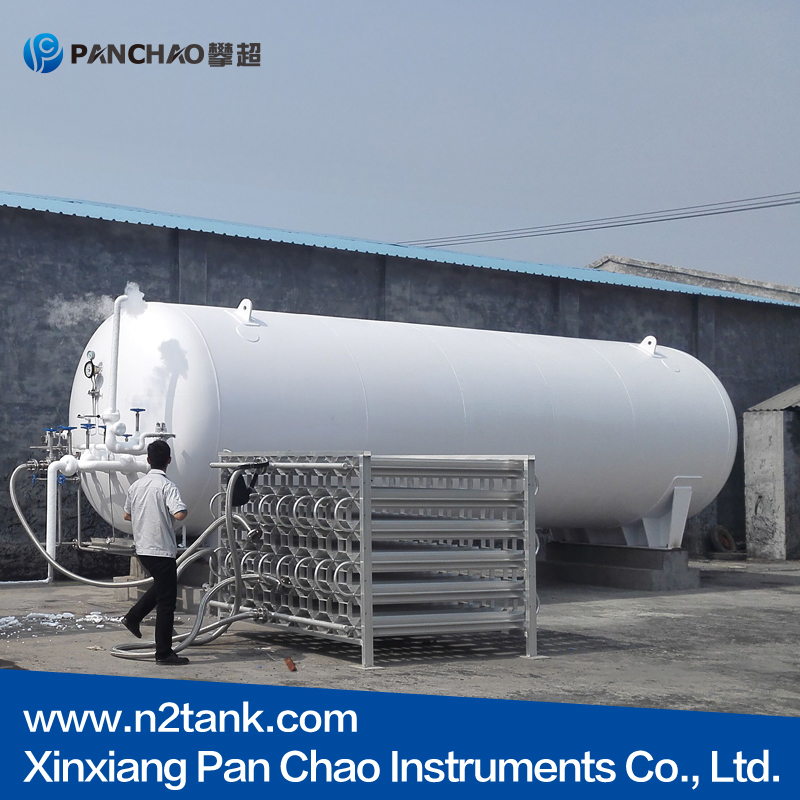
Cryogenic Liquid Tanks are available in vertical or horizonta...[more]
- 310 cubic meters cryogenic Liqui
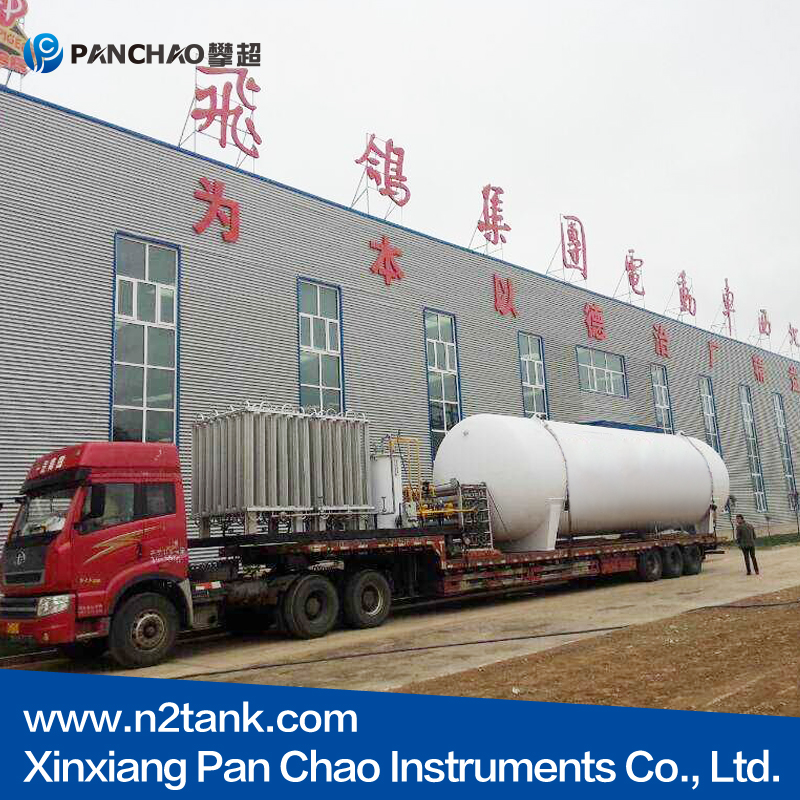
Cryogenic Liquid Tanks are available in vertical or horizonta...[more]
- 4GB150 pressure vessels cryogeni
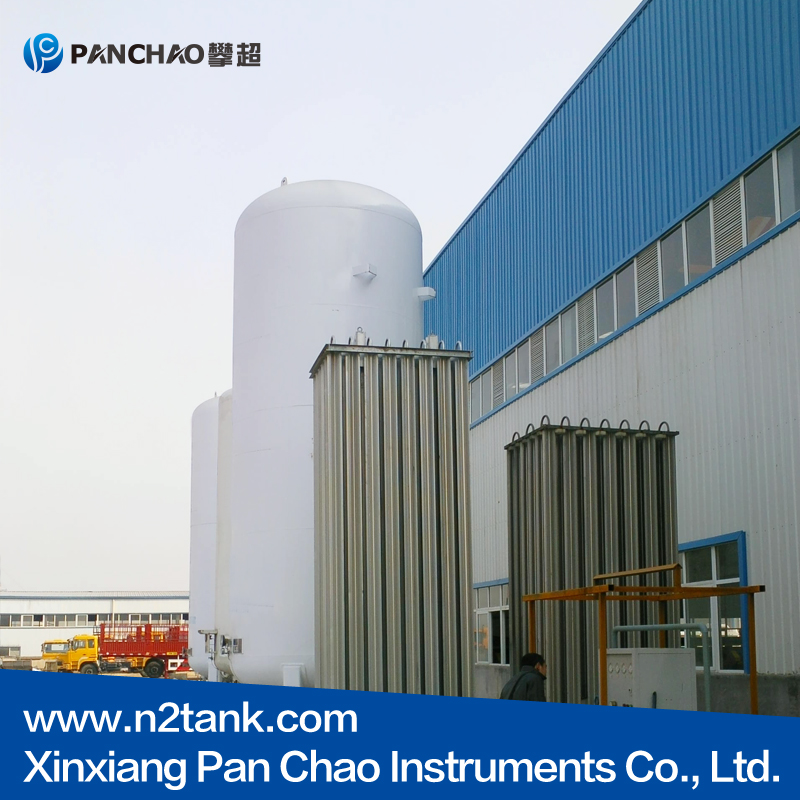
Cryogenic Liquid Tanks are available in vertical or horizonta...[more]
- 5New double Vertical cryogenic L
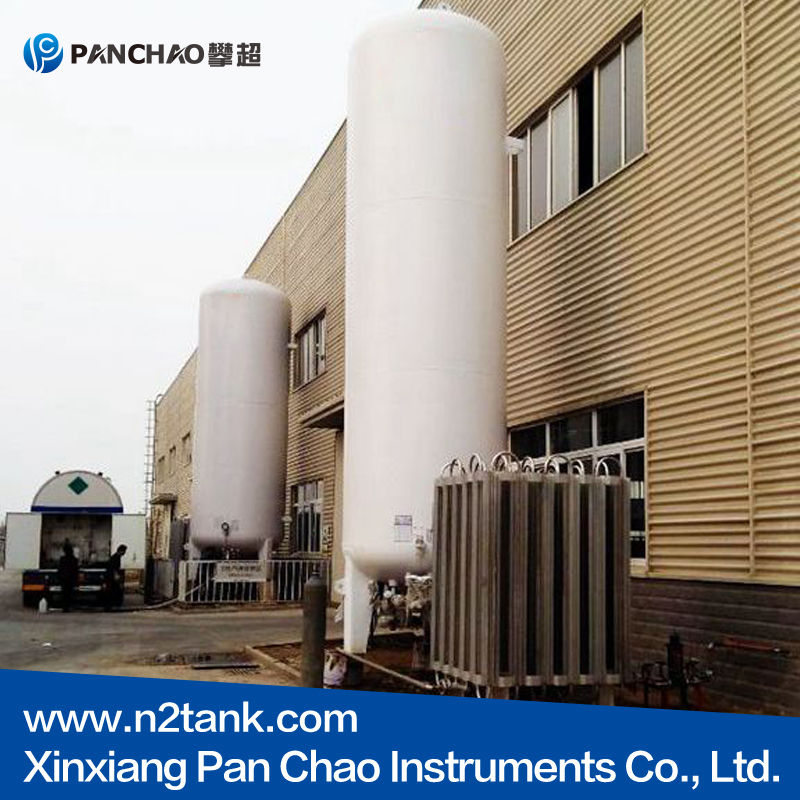
Cryogenic Liquid Tanks are available in vertical or horizonta...[more]
Rankings Of Similar Articles
- A Complete Analysis of Application Scenarios for Portable Liq
- Why Does a Narrower Neck Improve the Insulation of a Liquid N
- Portable Liquid Nitrogen Containers
- Liquid Nitrogen Tank Vacuuming Technology: The Core of Long-T
- Neck Opening Design in Liquid Nitrogen Tanks
- Internal Canister Design in Liquid Nitrogen Tanks: A Key to S
- Technological Innovations in Liquid Nitrogen Tanks: Smart Mon
- What Are the Early Signs of Liquid Nitrogen Tank Performance
- Application of Liquid Nitrogen Tanks in Livestock Frozen Seme
- The Cooling Principle of Liquid Nitrogen Tanks: How Do They M
Latest Information
- The Cooling Principle of Liquid Nitrogen Tanks: How Do They M
- The Vacuum Layer in Liquid Nitrogen Tanks: Invisible but Esse
- Holiday Notice
- Storage Environment Requirements for Liquid Nitrogen Tanks: T
- Hot sale thawing cup
- Storage of liquid nitrogen tank
- Application of liquid nitrogen tank in heat treatment field
- Liquid nitrogen tank for nitrogen station
- What is the liquid nitrogen tank made of?
- What is the liquid nitrogen tank made of?
