
How to Determine Whether a Liquid Nitrogen Tank Needs Replacement: Professional Guidance
Liquid nitrogen tanks are critical assets in laboratories, medical facilities, and agricultural operations, responsible for safely storing materials at –196°C. However, even high-quality tanks have a finite service life. Knowing when a liquid nitrogen tank should be replaced is essential for safety, cost control, and sample protection.
The first and most important indicator is a noticeable decline in insulation performance. If the tank’s liquid nitrogen consumption increases significantly under the same operating conditions, it often signals vacuum degradation within the insulation layer. A damaged or weakened vacuum allows more heat to enter the tank, accelerating evaporation. When the static holding time drops far below the manufacturer’s specification, replacement should be seriously considered.
Another warning sign is abnormal frost or condensation on the outer shell. Under normal conditions, the exterior of a liquid nitrogen tank should remain dry and close to ambient temperature. Persistent frosting, sweating, or cold spots indicate insulation failure, which cannot be effectively repaired in most cases.
Structural damage is also a key factor. Dents, deformation, or cracks—especially around the neck, bottom, or lifting points—can compromise mechanical strength and sealing performance. Repeated impacts during transportation may not cause immediate failure but can shorten the tank’s remaining lifespan.
In addition, users should pay attention to unstable pressure release or abnormal sounds. Frequent venting, hissing noises, or pressure irregularities may indicate internal structural or insulation issues that affect safe operation.
Finally, service age matters. Most liquid nitrogen tanks are designed for a typical service life of 5–10 years, depending on usage intensity and maintenance quality. Even if no obvious problems are visible, tanks approaching or exceeding their recommended lifespan should be evaluated carefully.
In conclusion, reduced holding time, external frosting, physical damage, abnormal operation, and excessive age are all clear signals that a liquid nitrogen tank may need replacement. Timely evaluation and proactive replacement not only protect valuable samples but also significantly reduce safety risks.
Relevant Information
- How to Maintain a Liquid Nitrogen Tank During Long-Term Inactivity
- How Is the Vacuum Layer in a Liquid Nitrogen Tank Manufactured?
- Design Logic of the Inner Canister in Liquid Nitrogen Tanks: How It Protects Sa
- How Is the Static Holding Time of a Liquid Nitrogen Tank Calculated?
- The Cooling Principle of Liquid Nitrogen Tanks: How Do They Maintain –196°C?
- How Long Can a Liquid Nitrogen Tank Store? Key Factors Affecting Duration
- Vacuum Technology in Liquid Nitrogen Tanks: How to Maintain Long-Term Low Tempe
- How is the static shelf life of liquid nitrogen tanks calculated?
- Future Trends: How Smart Equipment Is Shaping New Demands for Sight Glass
- How Cold Is Liquid Nitrogen? Understanding Its Relationship with LN₂ Tanks

Latest Products
- 110m3 double wall cryogenic Liqu
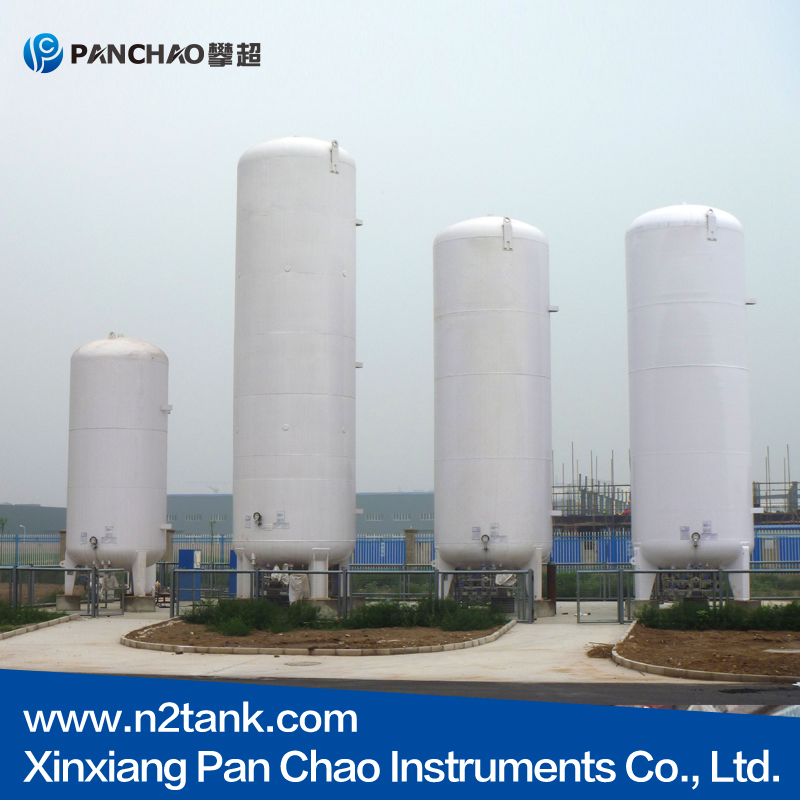
Cryogenic Liquid Tanks are available in vertical or horizonta...[more]
- 2vertical stainless steel pressu
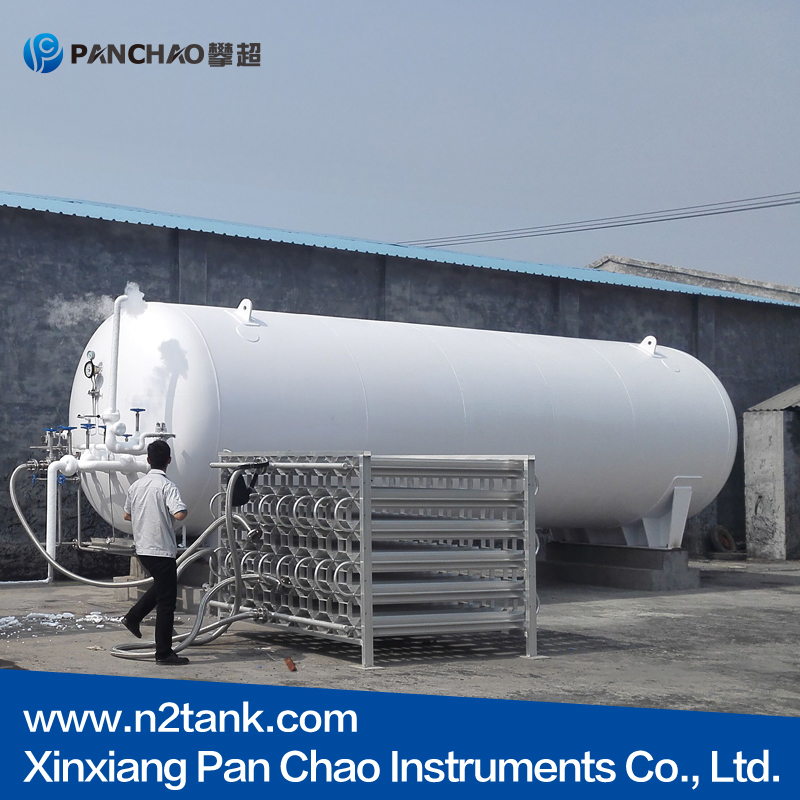
Cryogenic Liquid Tanks are available in vertical or horizonta...[more]
- 310 cubic meters cryogenic Liqui
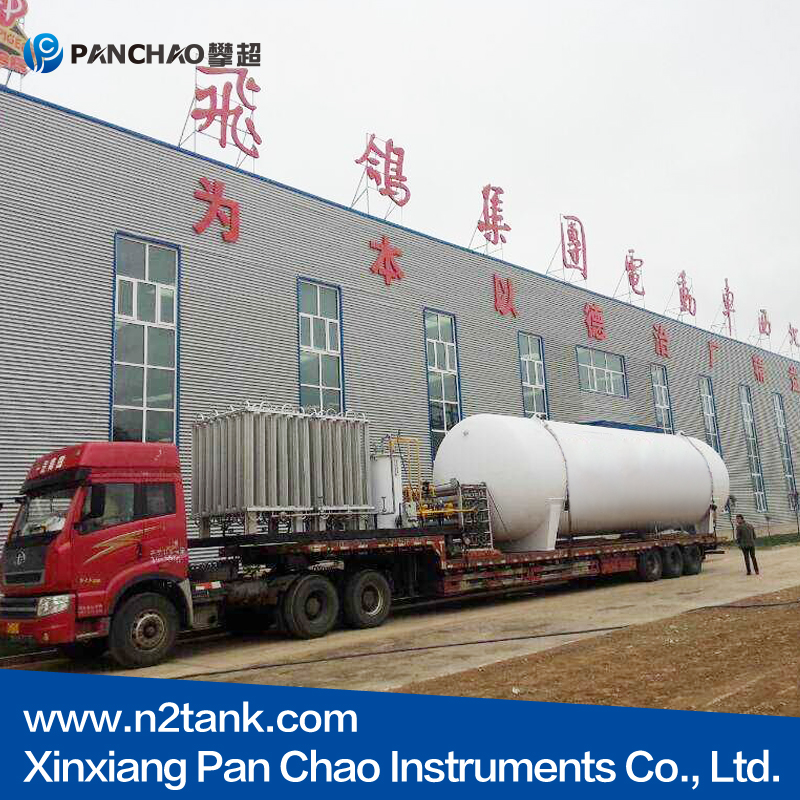
Cryogenic Liquid Tanks are available in vertical or horizonta...[more]
- 4GB150 pressure vessels cryogeni
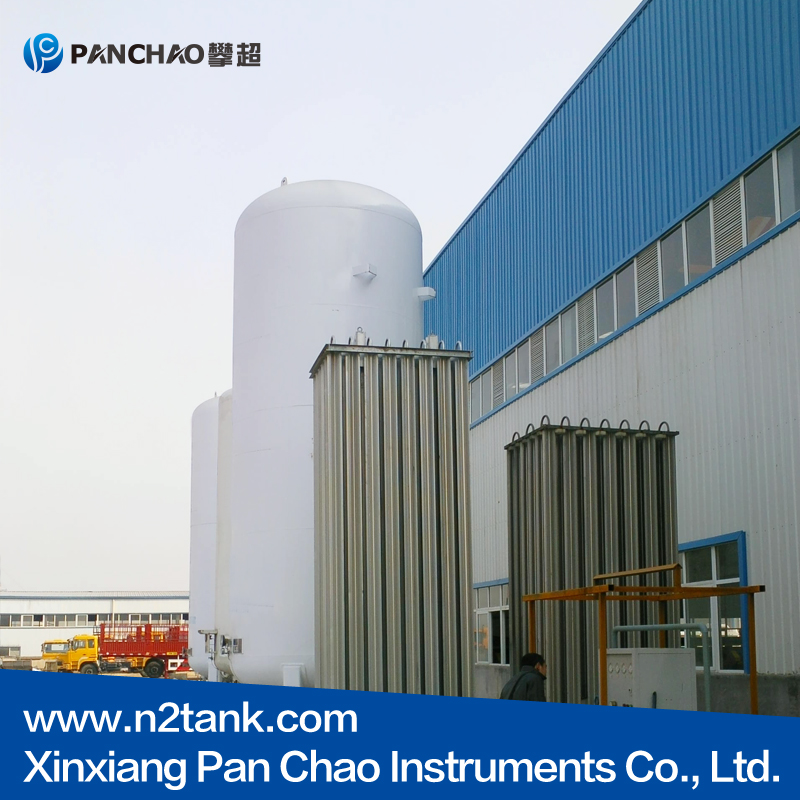
Cryogenic Liquid Tanks are available in vertical or horizonta...[more]
- 5New double Vertical cryogenic L
Cryogenic Liquid Tanks are available in vertical or horizonta...[more]
Rankings Of Similar Articles
- How to Maintain a Liquid Nitrogen Tank During Long-Term Inact
- How Is the Vacuum Layer in a Liquid Nitrogen Tank Manufacture
- Design Logic of the Inner Canister in Liquid Nitrogen Tanks:
- How Is the Static Holding Time of a Liquid Nitrogen Tank Calc
- The Cooling Principle of Liquid Nitrogen Tanks: How Do They M
- How Long Can a Liquid Nitrogen Tank Store? Key Factors Affect
- Vacuum Technology in Liquid Nitrogen Tanks: How to Maintain L
- How is the static shelf life of liquid nitrogen tanks calcula
- Future Trends: How Smart Equipment Is Shaping New Demands for
- How Cold Is Liquid Nitrogen? Understanding Its Relationship w
Latest Information
- Aluminum Alloy vs. Stainless Steel Liquid Nitrogen Tanks: Adv
- The Cooling Principle of Liquid Nitrogen Tanks: How Do They M
- The Vacuum Layer in Liquid Nitrogen Tanks: Invisible but Esse
- Holiday Notice
- Storage Environment Requirements for Liquid Nitrogen Tanks: T
- Hot sale thawing cup
- Storage of liquid nitrogen tank
- Application of liquid nitrogen tank in heat treatment field
- Liquid nitrogen tank for nitrogen station
- What is the liquid nitrogen tank made of?
