
How to Maintain a Liquid Nitrogen Tank During Long-Term Inactivity
Liquid nitrogen tanks are precision cryogenic vessels, and proper maintenance during long periods of inactivity is essential to preserve their performance and extend service life. Improper storage can lead to insulation degradation, safety risks, and costly replacement. The following guidelines outline best practices for maintaining a liquid nitrogen tank that is not in regular use.
First, empty the tank safely before storage. Any remaining liquid nitrogen should be allowed to evaporate naturally in a well-ventilated area. Never seal or block the vent during this process, as pressure buildup can be dangerous. Once empty, keep the tank open for a short period to ensure internal moisture fully evaporates.
Second, clean and dry the interior. Moisture is one of the biggest threats to long-term storage. Condensation inside the tank can freeze during future use, affecting sample containers and internal components. If necessary, allow the tank to air-dry at room temperature, ensuring no water droplets remain inside.
Third, store the tank in a suitable environment. The storage area should be dry, well-ventilated, and free from corrosive gases or chemicals. Avoid direct sunlight, high humidity, and large temperature fluctuations, as these can stress the tank’s structure and insulation system.
Fourth, protect the neck and opening. Use the original lid or a breathable protective cover to prevent dust, debris, or insects from entering the tank, while still allowing pressure equalization. Never use airtight seals during storage.
Fifth, perform periodic checks, even when the tank is not in use. Every few months, visually inspect the outer shell for corrosion, deformation, or abnormal spots. Lightly shaking the tank should not produce unusual sounds that might indicate internal damage.
Finally, before returning the tank to service, conduct a performance check. Gradually refill with liquid nitrogen and monitor evaporation rate and external surface temperature. Any signs of rapid loss or frosting may indicate vacuum degradation.
In summary, proper emptying, drying, storage environment control, and periodic inspection are key to maintaining an unused liquid nitrogen tank. Thoughtful long-term care helps ensure the tank remains safe, efficient, and ready for reliable operation when needed again.
Relevant Information
- Causes of Vacuum Failure in Liquid Nitrogen Tanks and On-Site Identification Me
- How to Determine Whether a Liquid Nitrogen Tank Needs Replacement: Professional
- Technological Innovation in Liquid Nitrogen Tanks: Smart Monitoring and Remote
- Aluminum Alloy vs. Stainless Steel Liquid Nitrogen Tanks: Advantages and Disadv
- The Critical Role of Liquid Nitrogen Tanks in Frozen Semen Storage for the Live
- What Makes the Sealing Structure of a Liquid Nitrogen Tank Lid So Important?
- The Cooling Principle of Liquid Nitrogen Tanks: Why Can They Maintain –196°C
- What Are the Early Warning Signs of Performance Degradation in Liquid Nitrogen
- How Is the Vacuum Layer in a Liquid Nitrogen Tank Manufactured?
- Liquid Nitrogen Tank Maintenance Guide: From Daily Checks to Long-Term Care

Latest Products
- 110m3 double wall cryogenic Liqu
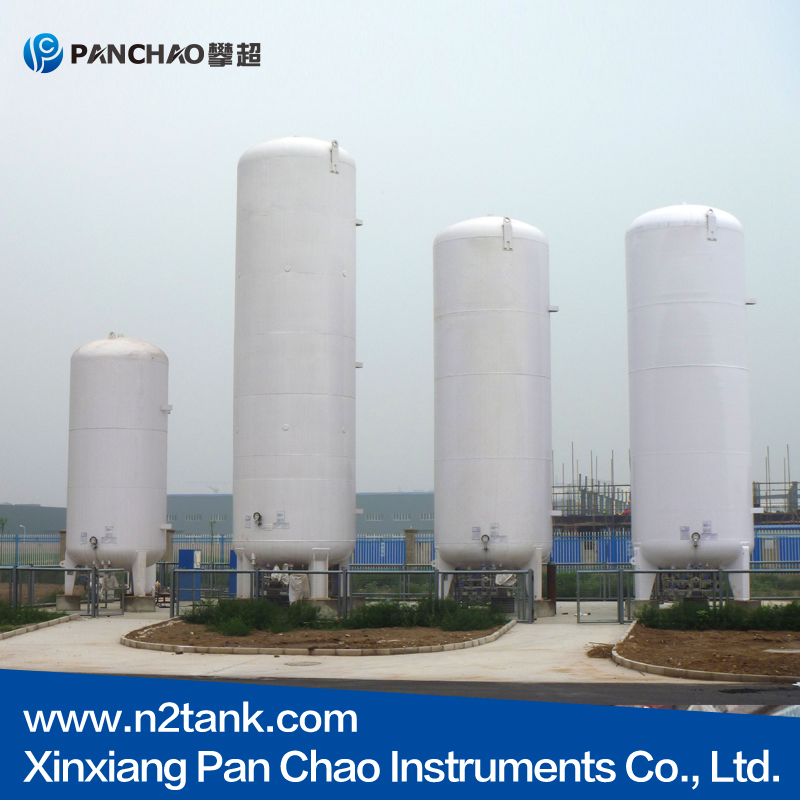
Cryogenic Liquid Tanks are available in vertical or horizonta...[more]
- 2vertical stainless steel pressu
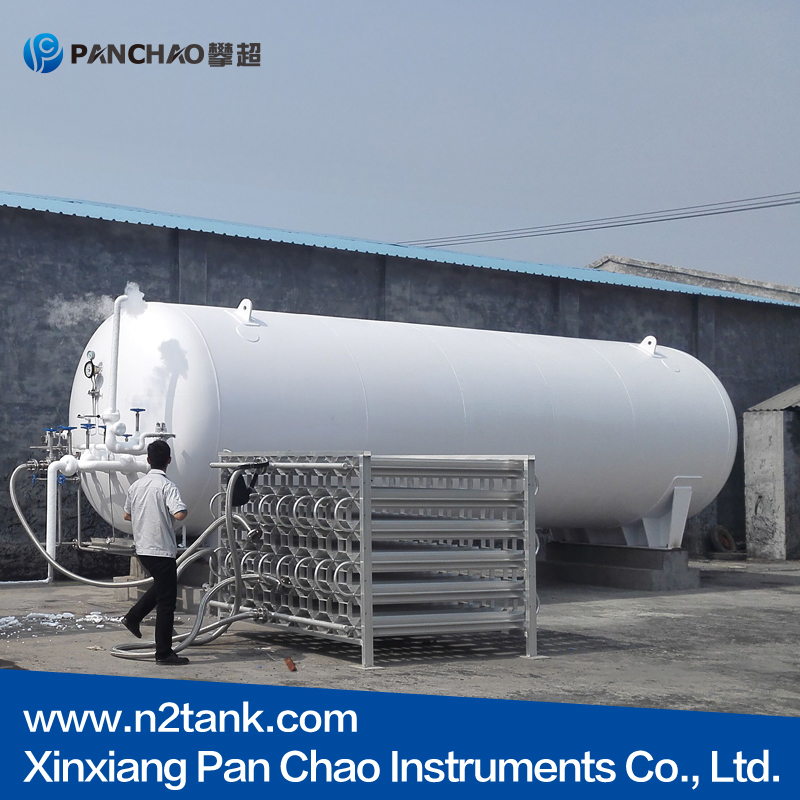
Cryogenic Liquid Tanks are available in vertical or horizonta...[more]
- 310 cubic meters cryogenic Liqui
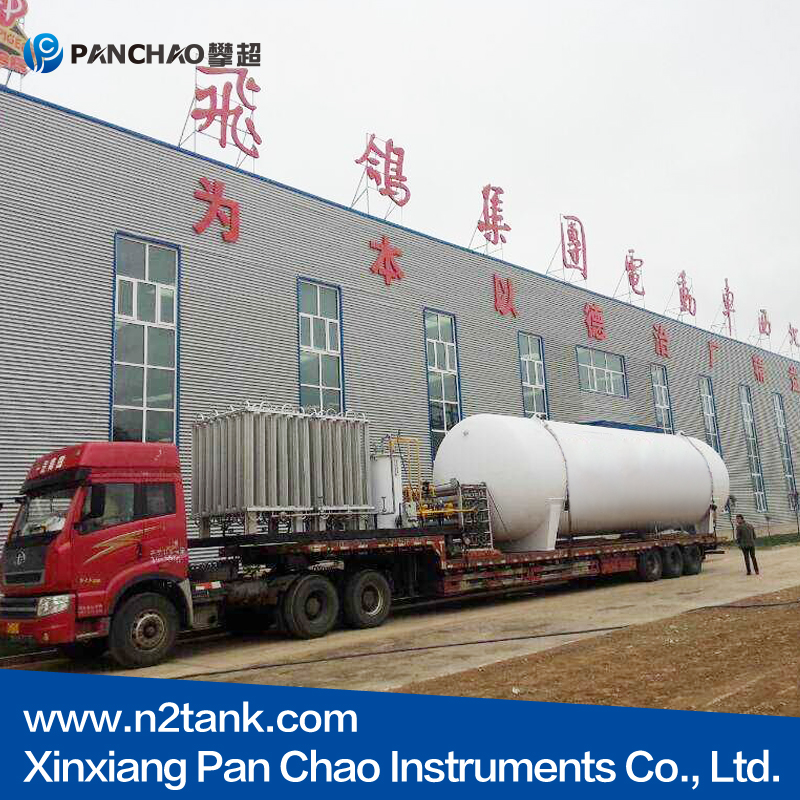
Cryogenic Liquid Tanks are available in vertical or horizonta...[more]
- 4GB150 pressure vessels cryogeni
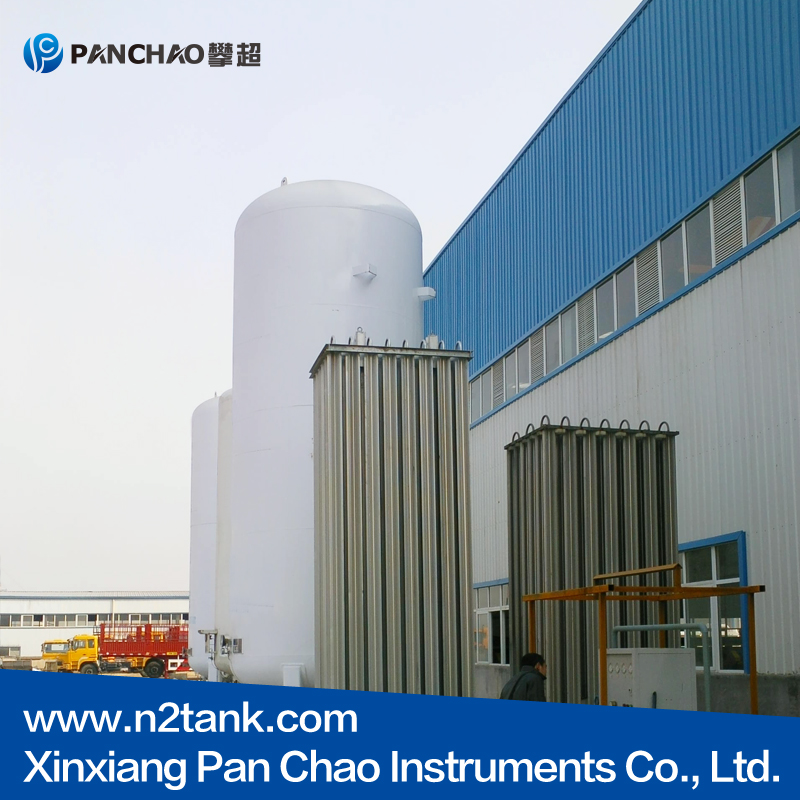
Cryogenic Liquid Tanks are available in vertical or horizonta...[more]
- 5New double Vertical cryogenic L
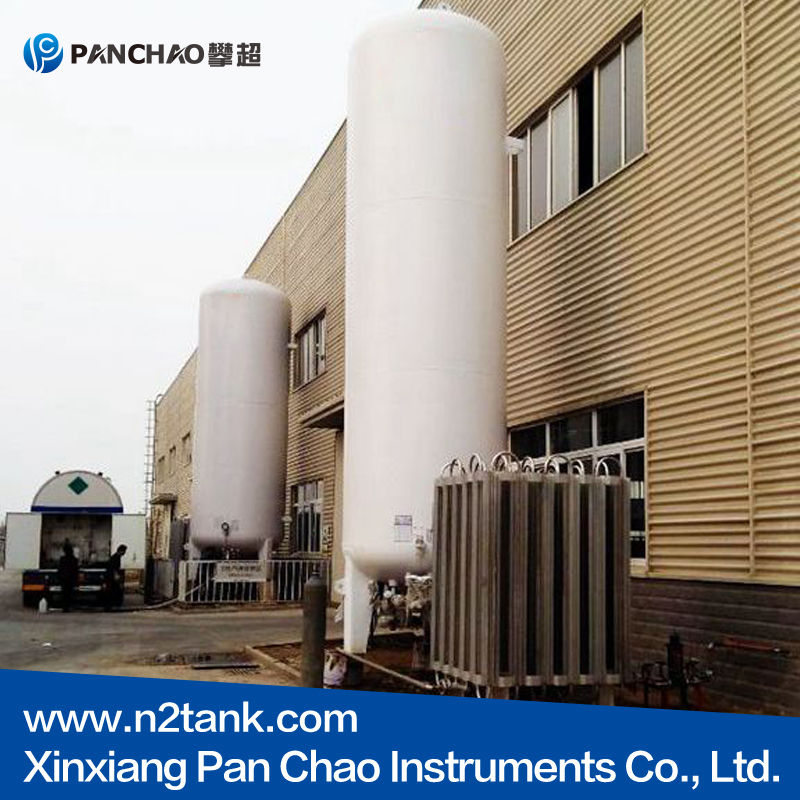
Cryogenic Liquid Tanks are available in vertical or horizonta...[more]
Rankings Of Similar Articles
- Causes of Vacuum Failure in Liquid Nitrogen Tanks and On-Site
- How to Determine Whether a Liquid Nitrogen Tank Needs Replace
- Technological Innovation in Liquid Nitrogen Tanks: Smart Moni
- Aluminum Alloy vs. Stainless Steel Liquid Nitrogen Tanks: Adv
- The Critical Role of Liquid Nitrogen Tanks in Frozen Semen St
- What Makes the Sealing Structure of a Liquid Nitrogen Tank Li
- The Cooling Principle of Liquid Nitrogen Tanks: Why Can They
- What Are the Early Warning Signs of Performance Degradation i
- How Is the Vacuum Layer in a Liquid Nitrogen Tank Manufacture
- Liquid Nitrogen Tank Maintenance Guide: From Daily Checks to
Latest Information
- Aluminum Alloy vs. Stainless Steel Liquid Nitrogen Tanks: Adv
- The Cooling Principle of Liquid Nitrogen Tanks: How Do They M
- The Vacuum Layer in Liquid Nitrogen Tanks: Invisible but Esse
- Holiday Notice
- Storage Environment Requirements for Liquid Nitrogen Tanks: T
- Hot sale thawing cup
- Storage of liquid nitrogen tank
- Application of liquid nitrogen tank in heat treatment field
- Liquid nitrogen tank for nitrogen station
- What is the liquid nitrogen tank made of?
