
Causes of Vacuum Failure in Liquid Nitrogen Tanks and On-Site Identification Methods
The vacuum insulation layer is the core component that enables a liquid nitrogen tank to maintain ultra-low temperatures efficiently. Once the vacuum is damaged, insulation performance declines rapidly, leading to increased evaporation, safety risks, and potential sample loss. Understanding the causes of vacuum failure and how to identify it on site is essential for timely decision-making.
One major cause of vacuum damage is mechanical impact. Drops, collisions, or strong vibrations during transportation can deform the inner or outer shell, damaging the vacuum seal or creating micro-leaks. Even if external dents appear minor, internal structural shifts may compromise the vacuum layer.
Another common cause is long-term material fatigue and aging. Over years of use, repeated thermal cycling between room temperature and –196°C can weaken welds and sealing points. Eventually, this may allow gas to slowly enter the vacuum space, degrading insulation performance.
Improper handling and operation can also lead to vacuum failure. Using non-original lids, blocking the vent, or applying excessive force to the neck area may damage critical structural components. In some cases, corrosion caused by prolonged exposure to humid or corrosive environments can attack the outer shell and vacuum port area.
On-site judgment of vacuum damage relies on several practical indicators. The most direct sign is a significant reduction in static holding time. If liquid nitrogen consumption increases noticeably under the same conditions, vacuum degradation is highly likely.
Another clear indicator is abnormal frosting or condensation on the outer surface. A healthy tank should remain dry and near ambient temperature. Persistent cold spots, sweating, or ice formation strongly suggest insulation failure.
Users may also notice abnormal sounds, such as continuous boiling or hissing, indicating excessive heat ingress. In advanced checks, gently touching the outer shell (with proper protection) may reveal unusually cold areas.
In summary, vacuum damage in liquid nitrogen tanks is commonly caused by mechanical shock, aging, corrosion, or improper use. By monitoring holding time, surface conditions, and operational behavior, users can make reliable on-site judgments. Early detection helps prevent safety hazards, protects valuable samples, and avoids unnecessary operational losses.
Relevant Information
- A Detailed Explanation of Vacuum Evacuation Technology in Liquid Nitrogen Tanks
- How Is the Vacuum Layer in a Liquid Nitrogen Tank Manufactured?
- Risk Analysis of Liquid Nitrogen Tank Rupture: Causes and Prevention Measures
- A Detailed Explanation of Liquid Nitrogen Tank Vacuum Technology: The Core of C
- Liquid Nitrogen Tank Vacuuming Technology: The Core of Long-Term Insulation
- The Vacuum Layer in Liquid Nitrogen Tanks: Invisible but Essential
- Liquid Nitrogen Tank Explosion Risk Analysis: Causes and Preventive Measures
- Vacuum Technology in Liquid Nitrogen Tanks: How to Maintain Long-Term Low Tempe
- Why Doesn’t a Liquid Nitrogen Tank Freeze? The Science Behind Vacuum Insulati
- Vacuuming Process in Liquid Nitrogen Tanks: A Key Factor Determining Lifespan

Latest Products
- 110m3 double wall cryogenic Liqu

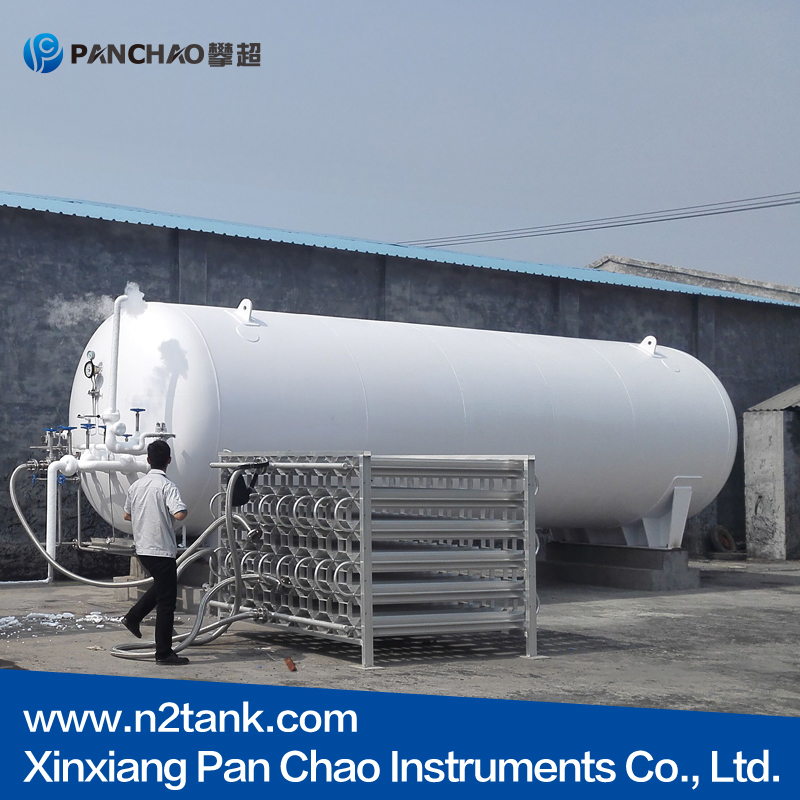
Cryogenic Liquid Tanks are available in vertical or horizonta...[more]
- 2vertical stainless steel pressu
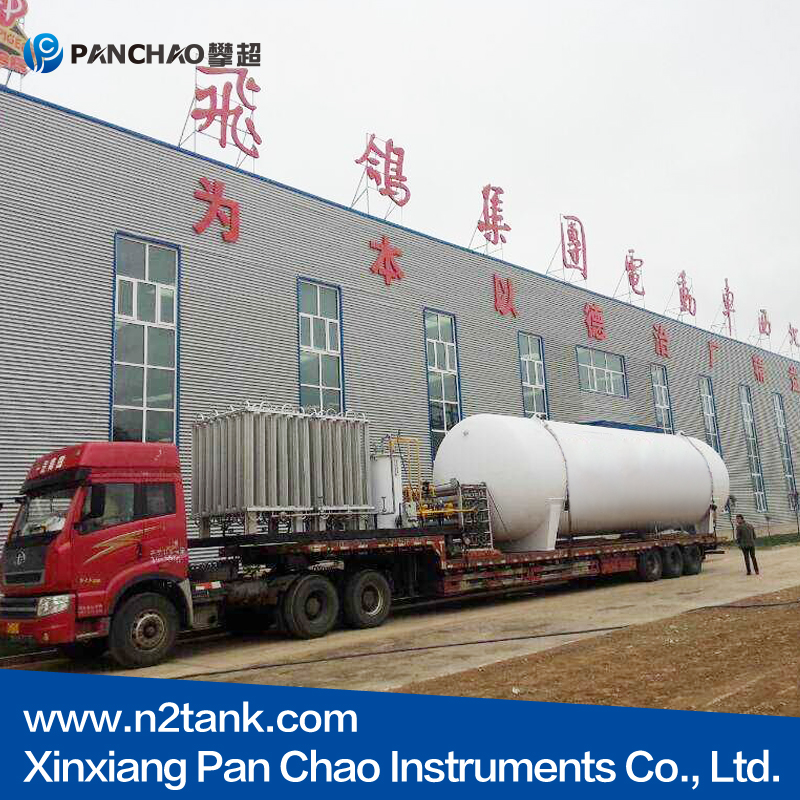
Cryogenic Liquid Tanks are available in vertical or horizonta...[more]
- 310 cubic meters cryogenic Liqui
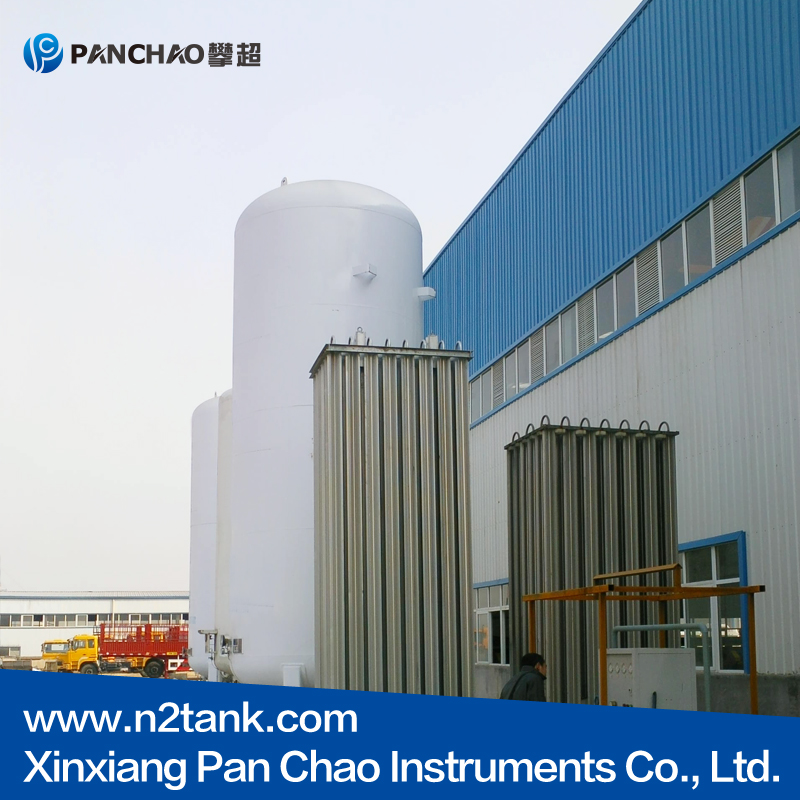
Cryogenic Liquid Tanks are available in vertical or horizonta...[more]
- 4GB150 pressure vessels cryogeni
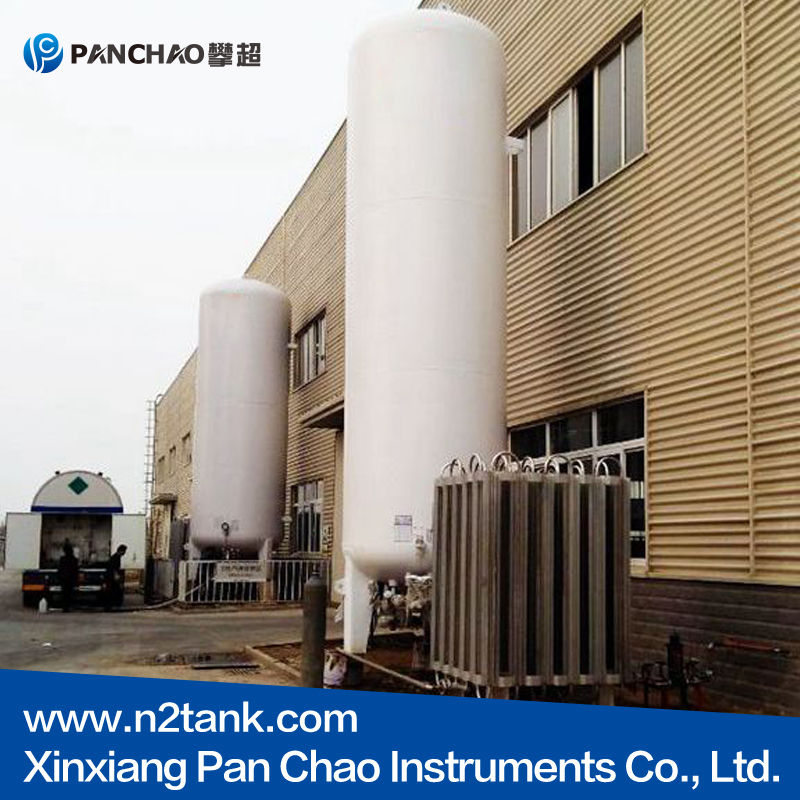
Cryogenic Liquid Tanks are available in vertical or horizonta...[more]
- 5New double Vertical cryogenic L
Cryogenic Liquid Tanks are available in vertical or horizonta...[more]
Rankings Of Similar Articles
- A Detailed Explanation of Vacuum Evacuation Technology in Liq
- How Is the Vacuum Layer in a Liquid Nitrogen Tank Manufacture
- Risk Analysis of Liquid Nitrogen Tank Rupture: Causes and Pre
- A Detailed Explanation of Liquid Nitrogen Tank Vacuum Technol
- Liquid Nitrogen Tank Vacuuming Technology: The Core of Long-T
- The Vacuum Layer in Liquid Nitrogen Tanks: Invisible but Esse
- Liquid Nitrogen Tank Explosion Risk Analysis: Causes and Prev
- Vacuum Technology in Liquid Nitrogen Tanks: How to Maintain L
- Why Doesn’t a Liquid Nitrogen Tank Freeze? The Science Behi
- Vacuuming Process in Liquid Nitrogen Tanks: A Key Factor Dete
Latest Information
- Aluminum Alloy vs. Stainless Steel Liquid Nitrogen Tanks: Adv
- The Cooling Principle of Liquid Nitrogen Tanks: How Do They M
- The Vacuum Layer in Liquid Nitrogen Tanks: Invisible but Esse
- Holiday Notice
- Storage Environment Requirements for Liquid Nitrogen Tanks: T
- Hot sale thawing cup
- Storage of liquid nitrogen tank
- Application of liquid nitrogen tank in heat treatment field
- Liquid nitrogen tank for nitrogen station
- What is the liquid nitrogen tank made of?
