
Risk Analysis of Liquid Nitrogen Tank Rupture: Causes and Prevention Measures
Liquid nitrogen tanks are designed with strict safety standards, but under extreme misuse or poor maintenance, rupture accidents may occur. Although rare, such incidents can cause severe equipment damage, product loss, and personal injury. Understanding the causes and taking preventive measures is essential for laboratories, medical facilities, and industrial users who rely on cryogenic storage.
1. Main Causes of Rupture
(1) Pressure Build-Up Due to Blocked Venting
Liquid nitrogen continuously evaporates, creating vapor pressure inside the tank. If the vent becomes blocked by frost, ice, impurities, or improper sealing, internal pressure may rise beyond the structural limit, leading to tank deformation or rupture.
(2) Vacuum Failure
A liquid nitrogen tank relies on high-quality vacuum insulation between the inner and outer vessels. When the vacuum layer degrades due to mechanical damage, corrosion, or aging, heat rapidly enters the tank. This accelerates LN₂ evaporation and raises internal pressure, increasing rupture risk.
(3) Mechanical Impact or Structural Damage
Dropping, collisions, or using a tank beyond its service life can lead to invisible cracks or weakened weld joints. Under cryogenic conditions, damaged structures become more brittle, significantly increasing the possibility of catastrophic failure.
(4) Improper Modification or Non-Standard Accessories
Using non-certified plugs, lids, or pressure-tight fittings on a non-pressure tank can prevent normal venting and create dangerous pressure accumulation.
2. Prevention Measures
-
Ensure continuous venting: Never block the neck opening or use airtight caps.
-
Inspect vacuum integrity: Monitor frost buildup or abnormal boiling — early signs of vacuum loss.
-
Avoid mechanical impact: Transport tanks upright and use protective carts.
-
Follow service life guidelines: Replace old or damaged tanks promptly.
-
Use certified accessories: Do not modify the neck or cap structure.
Regular inspection and proper handling greatly minimize rupture risk, ensuring safe, long-term use of LN₂ tanks.
Relevant Information
- Design Logic of the Inner Canister in Liquid Nitrogen Tanks: How It Protects Sa
- How Is the Static Holding Time of a Liquid Nitrogen Tank Calculated?
- What to Do When a Liquid Nitrogen Tank Leaks: Detection Methods and Repair Sugg
- A Complete Analysis of Application Scenarios for Portable Liquid Nitrogen Tanks
- A Detailed Explanation of Liquid Nitrogen Tank Vacuum Technology: The Core of C
- Why Does a Narrower Neck Improve the Insulation of a Liquid Nitrogen Tank?
- Portable Liquid Nitrogen Containers
- Liquid Nitrogen Tank Vacuuming Technology: The Core of Long-Term Insulation
- Neck Opening Design in Liquid Nitrogen Tanks
- Internal Canister Design in Liquid Nitrogen Tanks: A Key to Sample Safety

Latest Products
- 110m3 double wall cryogenic Liqu
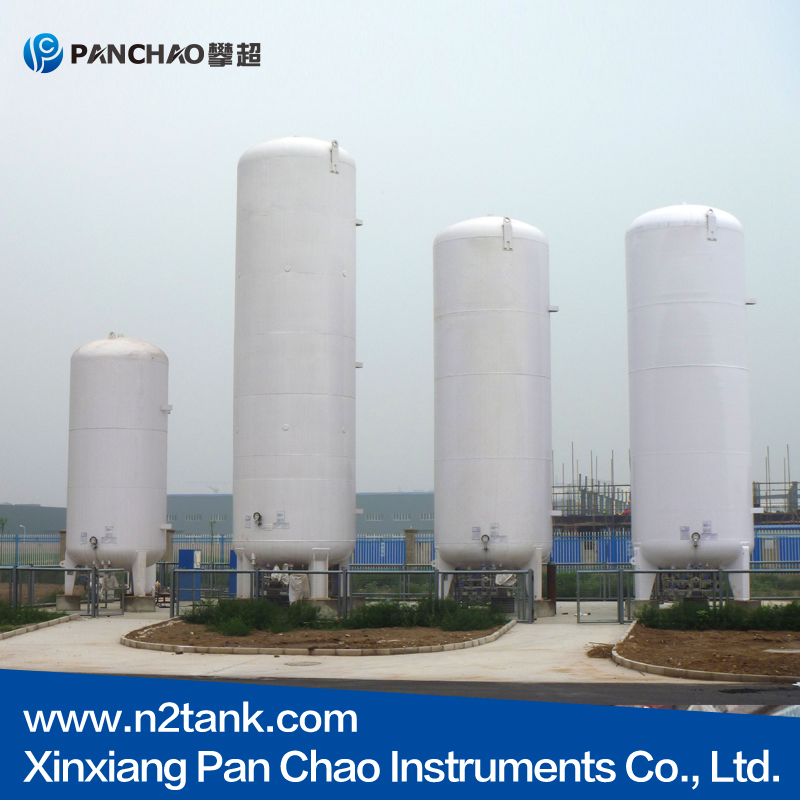
Cryogenic Liquid Tanks are available in vertical or horizonta...[more]
- 2vertical stainless steel pressu
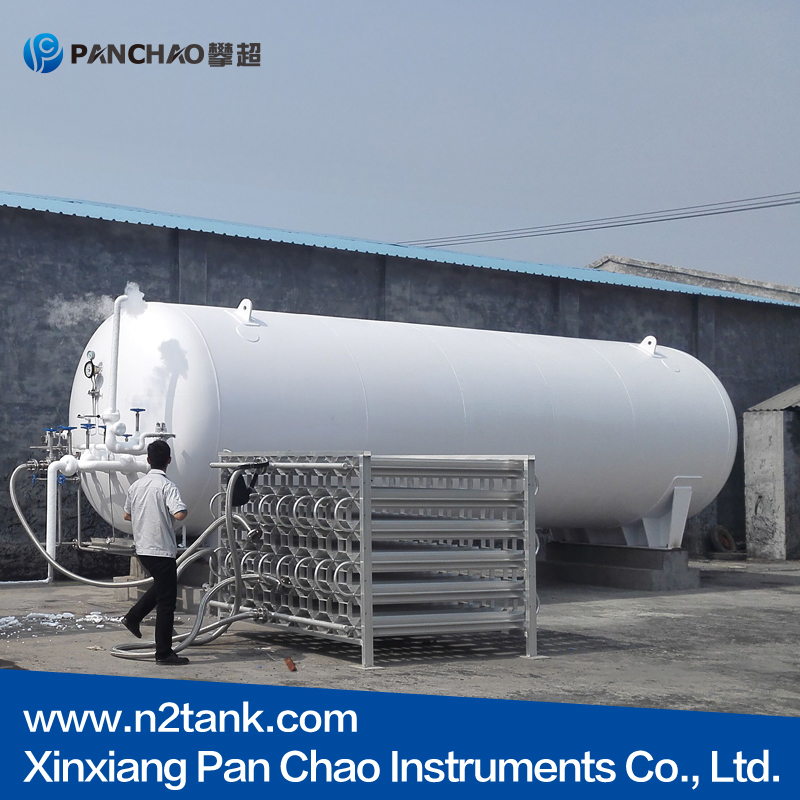
Cryogenic Liquid Tanks are available in vertical or horizonta...[more]
- 310 cubic meters cryogenic Liqui
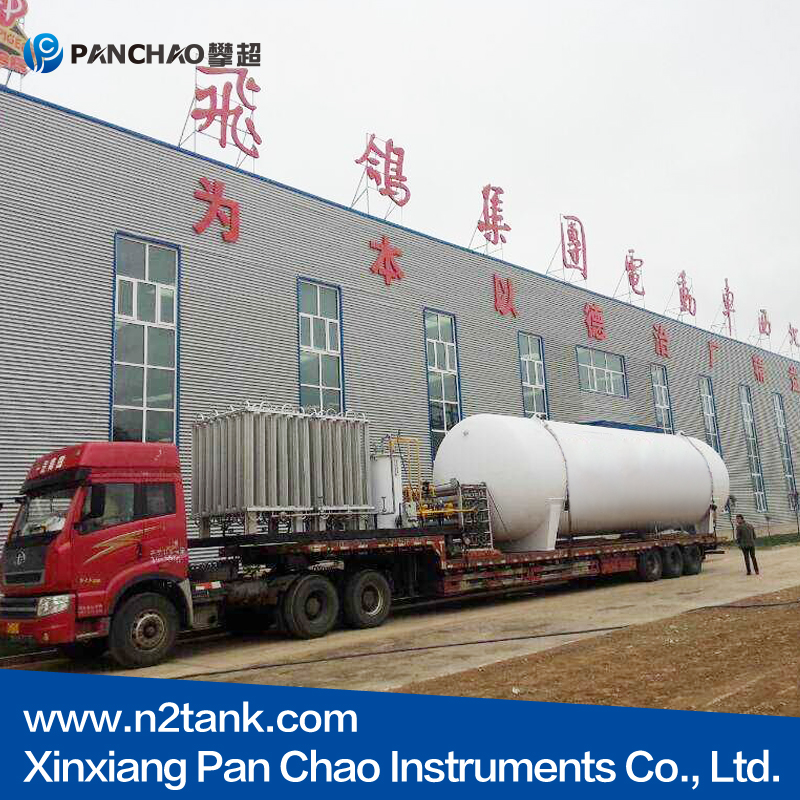
Cryogenic Liquid Tanks are available in vertical or horizonta...[more]
- 4GB150 pressure vessels cryogeni
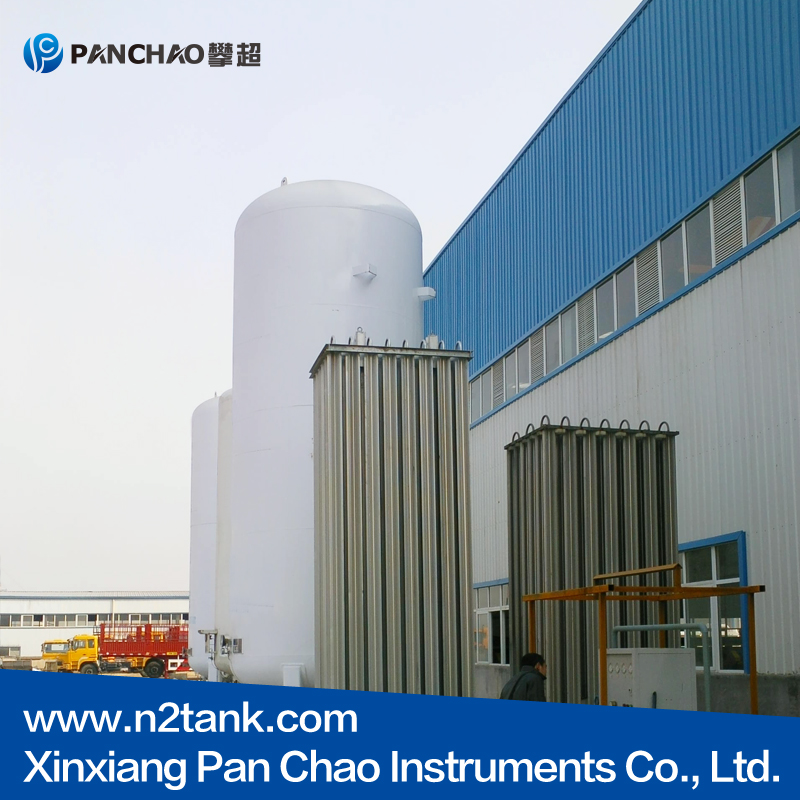
Cryogenic Liquid Tanks are available in vertical or horizonta...[more]
- 5New double Vertical cryogenic L
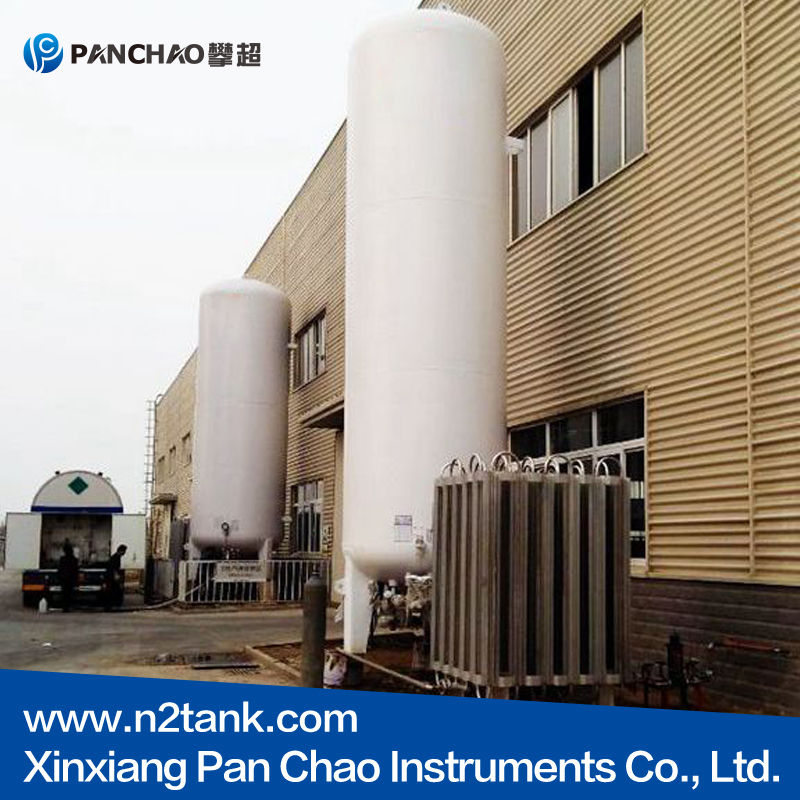
Cryogenic Liquid Tanks are available in vertical or horizonta...[more]
Rankings Of Similar Articles
- Design Logic of the Inner Canister in Liquid Nitrogen Tanks:
- How Is the Static Holding Time of a Liquid Nitrogen Tank Calc
- What to Do When a Liquid Nitrogen Tank Leaks: Detection Metho
- A Complete Analysis of Application Scenarios for Portable Liq
- A Detailed Explanation of Liquid Nitrogen Tank Vacuum Technol
- Why Does a Narrower Neck Improve the Insulation of a Liquid N
- Portable Liquid Nitrogen Containers
- Liquid Nitrogen Tank Vacuuming Technology: The Core of Long-T
- Neck Opening Design in Liquid Nitrogen Tanks
- Internal Canister Design in Liquid Nitrogen Tanks: A Key to S
Latest Information
- The Cooling Principle of Liquid Nitrogen Tanks: How Do They M
- The Vacuum Layer in Liquid Nitrogen Tanks: Invisible but Esse
- Holiday Notice
- Storage Environment Requirements for Liquid Nitrogen Tanks: T
- Hot sale thawing cup
- Storage of liquid nitrogen tank
- Application of liquid nitrogen tank in heat treatment field
- Liquid nitrogen tank for nitrogen station
- What is the liquid nitrogen tank made of?
- What is the liquid nitrogen tank made of?
