
What to Do When a Liquid Nitrogen Tank Leaks: Detection Methods and Repair Suggestions
A liquid nitrogen tank leak is a serious issue that can compromise insulation performance, accelerate nitrogen loss, and put stored samples at risk. Detecting the problem early and taking proper action is essential for maintaining safety and tank longevity. Understanding how to identify leaks and how to respond can prevent equipment damage and sample failure.
One of the most effective detection methods is the soap-water test. By applying a thin layer of soapy water around welds, joints, valves, and connection points, users can observe bubble formation, which indicates escaping gas. This simple method helps locate minor leaks on the tank’s exterior components. For more precise evaluation, gas sniffers or electronic leak detectors can identify very small leaks, especially around the neck tube or vacuum seal.
Another important diagnostic method is monitoring static evaporation rate. If the tank’s liquid nitrogen consumption increases significantly without corresponding usage, it may indicate insulation failure or vacuum degradation. Users should also check the tank’s surface temperature; if the outer wall or neck feels unusually warm or develops frost, it is a strong sign that the vacuum layer has been compromised.
When a leak is confirmed, appropriate repair steps depend on the severity. For minor leaks in external components like valves or lids, part replacement is often sufficient. Damaged O-rings, loose caps, or worn gaskets can be quickly fixed with new components.
However, if the leak is due to vacuum failure, the tank typically requires professional servicing. Re-evacuating the vacuum layer involves specialized equipment and is not suitable for on-site repair. In many cases, the most cost-effective solution is replacing the tank, especially for older units.
In summary, timely leak detection and proper repair are crucial for maintaining the performance and safety of a liquid nitrogen tank. Regular inspection and awareness of early signs can prevent costly losses and operational downtime.
Relevant Information
- How Is the Static Holding Time of a Liquid Nitrogen Tank Calculated?
- A Complete Analysis of Application Scenarios for Portable Liquid Nitrogen Tanks
- A Detailed Explanation of Liquid Nitrogen Tank Vacuum Technology: The Core of C
- Why Does a Narrower Neck Improve the Insulation of a Liquid Nitrogen Tank?
- Portable Liquid Nitrogen Containers
- Liquid Nitrogen Tank Vacuuming Technology: The Core of Long-Term Insulation
- Neck Opening Design in Liquid Nitrogen Tanks
- Internal Canister Design in Liquid Nitrogen Tanks: A Key to Sample Safety
- Technological Innovations in Liquid Nitrogen Tanks: Smart Monitoring and Remote
- What Are the Early Signs of Liquid Nitrogen Tank Performance Degradation?

Latest Products
- 110m3 double wall cryogenic Liqu
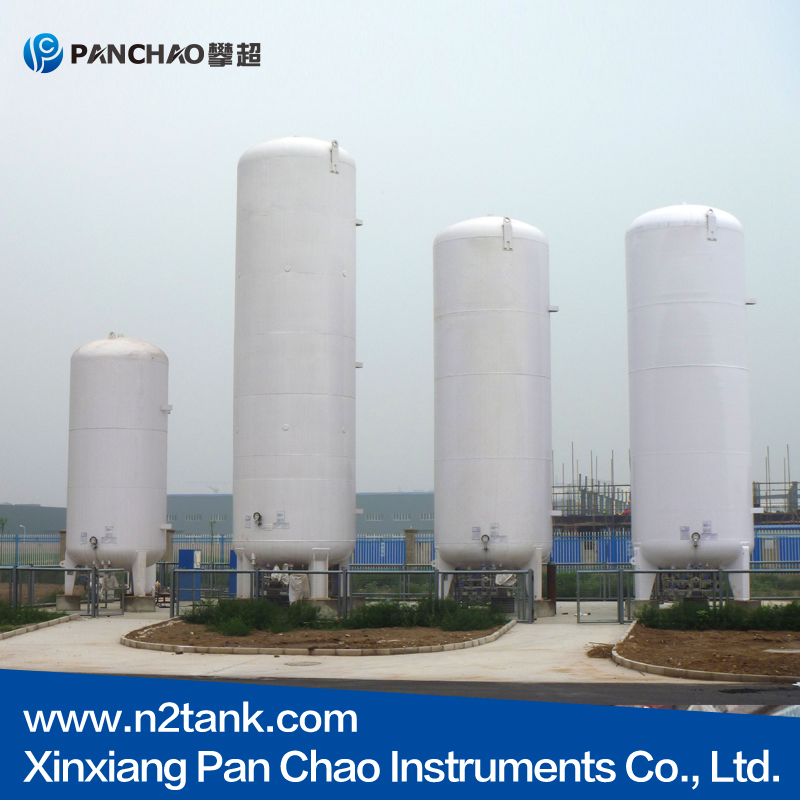
Cryogenic Liquid Tanks are available in vertical or horizonta...[more]
- 2vertical stainless steel pressu
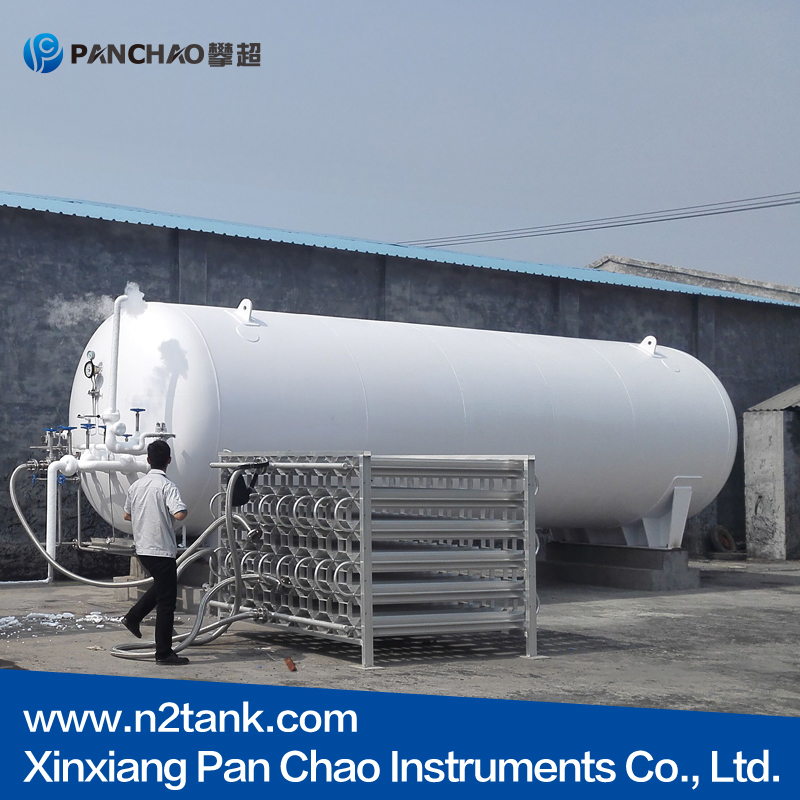
Cryogenic Liquid Tanks are available in vertical or horizonta...[more]
- 310 cubic meters cryogenic Liqui
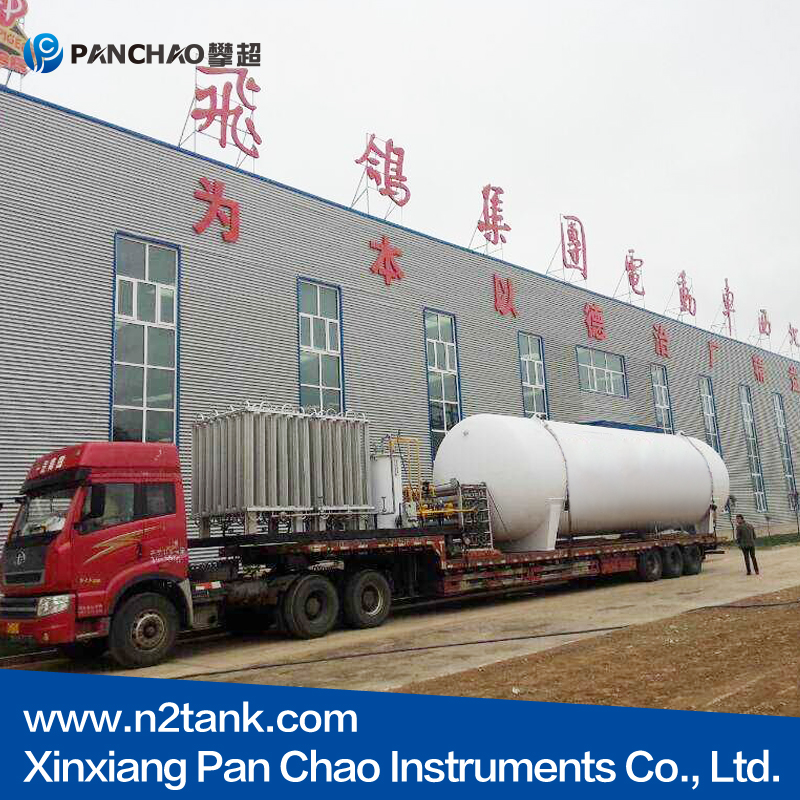
Cryogenic Liquid Tanks are available in vertical or horizonta...[more]
- 4GB150 pressure vessels cryogeni
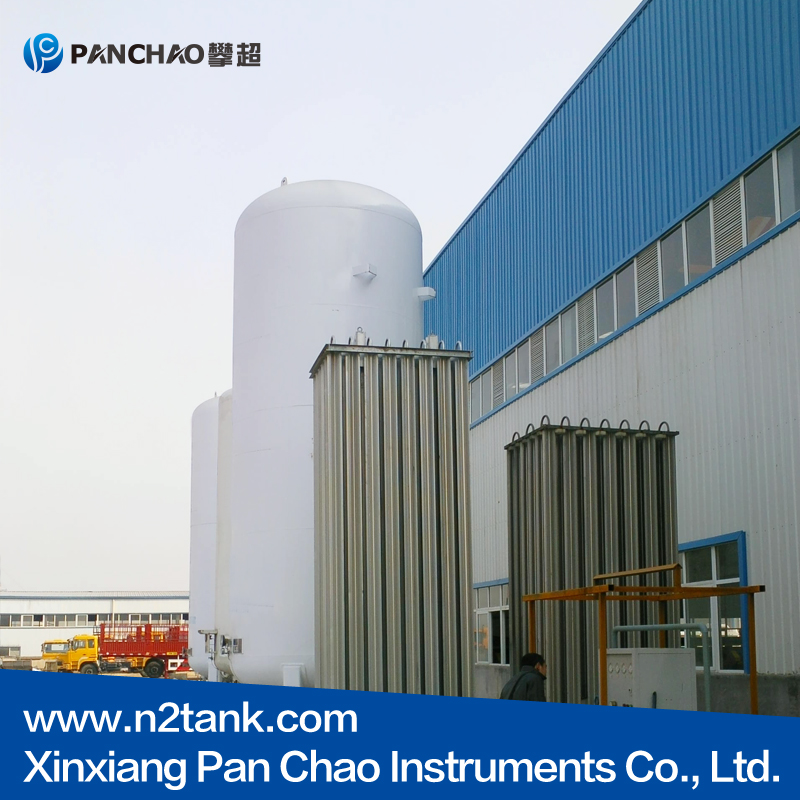
Cryogenic Liquid Tanks are available in vertical or horizonta...[more]
- 5New double Vertical cryogenic L
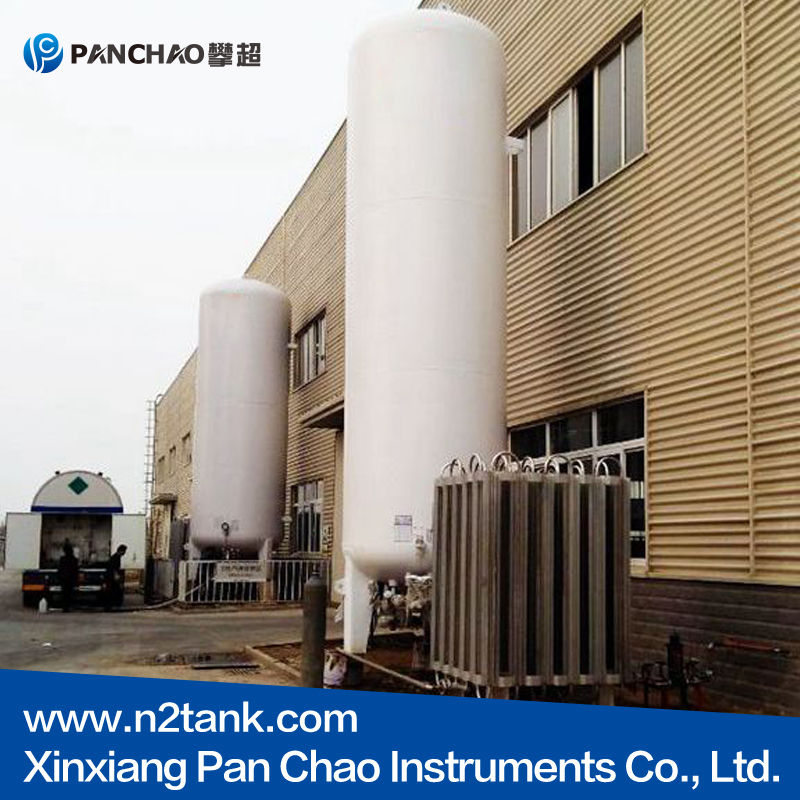
Cryogenic Liquid Tanks are available in vertical or horizonta...[more]
Rankings Of Similar Articles
- How Is the Static Holding Time of a Liquid Nitrogen Tank Calc
- A Complete Analysis of Application Scenarios for Portable Liq
- A Detailed Explanation of Liquid Nitrogen Tank Vacuum Technol
- Why Does a Narrower Neck Improve the Insulation of a Liquid N
- Portable Liquid Nitrogen Containers
- Liquid Nitrogen Tank Vacuuming Technology: The Core of Long-T
- Neck Opening Design in Liquid Nitrogen Tanks
- Internal Canister Design in Liquid Nitrogen Tanks: A Key to S
- Technological Innovations in Liquid Nitrogen Tanks: Smart Mon
- What Are the Early Signs of Liquid Nitrogen Tank Performance
Latest Information
- The Cooling Principle of Liquid Nitrogen Tanks: How Do They M
- The Vacuum Layer in Liquid Nitrogen Tanks: Invisible but Esse
- Holiday Notice
- Storage Environment Requirements for Liquid Nitrogen Tanks: T
- Hot sale thawing cup
- Storage of liquid nitrogen tank
- Application of liquid nitrogen tank in heat treatment field
- Liquid nitrogen tank for nitrogen station
- What is the liquid nitrogen tank made of?
- What is the liquid nitrogen tank made of?
