
Buying the Cold: Procurement, Delivery and Handover of Liquid Nitrogen
Editor:adminClick:
Time:2026-11-19 14:35
A liquid nitrogen tank does not produce cold; everything it holds comes from nitrogen supplied on an ongoing basis. The long-term cost and reliability of cryogenic storage therefore rest half on the equipment and half on the supply side.
Several parameters are worth settling at procurement. Purity is one key indicator, usually expressed as a percentage or by grade such as high-purity or industrial, and differing impurity content affects sensitive samples differently. Supply format is another: bulk tanker delivery, dewar delivery or an on-site generator, depending on volume and site conditions. It is also worth agreeing on delivery method, the basis of measurement — by weight or volume, and whose meter governs — and the settlement cycle, so that later reconciliation does not run into mismatched conventions. Where volumes are large or continuity matters, dual suppliers in parallel reduce the risk of a single point of failure.
Delivery calls for attention to the inherent behaviour of cryogenic liquid. Nitrogen evaporates continuously in transit, and both tankers and dewars are fitted with venting arrangements; this is normal rather than a leak. On receipt, check the container exterior, valves and safety fittings for abnormal frost or visible damage. Unloading areas should be ventilated, staff should wear protective equipment per procedure, and bulk transfer is best avoided in enclosed spaces.
Handover can be reduced to a few recordable points: arrival time, delivered quantity, measurement basis and measured value; the condition and pressure status of the container; and the level or total weight before and after the refill. Comparing these with the consumption curve in the equipment file reveals both metering discrepancies and early changes in the tank's evaporation rate. If the quantity actually added falls clearly short of the agreed figure, record it on the spot rather than leaving it for later.
A few details are easily overlooked. Dewars are returnable containers, so turnaround time and deposit terms belong in the contract. For long-term arrangements, periodic purity certificates or test reports can be stipulated. Delivery schedules around holidays and severe weather should be confirmed in advance, since these are the windows where supply interruption is most likely. Applicable safety and transport requirements follow local regulations and supplier qualifications.
Cryogenic storage looks like an equipment question, but one layer down it is a supply chain question. Settle the parameters, metering and rhythm on the supply side, and the cold inside the tank stays where it should.
Keywords:
Relevant Information
- When the Nitrogen Supply Stops: Buffer Time and Contingency Planning for LN2 Ta
- Freezing Is Only Half the Story: Why Thawing Should Be Fast
- Breaking in a New Tank: Why the First Fill Should Be Slow
- Liquid Nitrogen or Mechanical Freezer? Two Roles in Cold Storage
- Why Must a Liquid Nitrogen Tank Be Pre-Cooled Before Use? — Preventing Therma
- Why Is the Neck Plug of a Liquid Nitrogen Tank Not Solid? — Unveiling the Str
- How Is the "Daily Evaporation Rate" of a Liquid Nitrogen Tank Actuall
- Application Trends of Liquid Nitrogen Tanks in the Biopharmaceutical Industry
- The Role of Liquid Nitrogen Tanks in Vaccine Development: Ensuring Low-Temperat
- The Value of Liquid Nitrogen Tanks in Animal Breeding


Latest Products
- 110m3 double wall cryogenic Liqu
Cryogenic Liquid Tanks are available in vertical or horizonta...[more]
- 2vertical stainless steel pressu
Cryogenic Liquid Tanks are available in vertical or horizonta...[more]
- 310 cubic meters cryogenic Liqui
Cryogenic Liquid Tanks are available in vertical or horizonta...[more]
- 4GB150 pressure vessels cryogeni
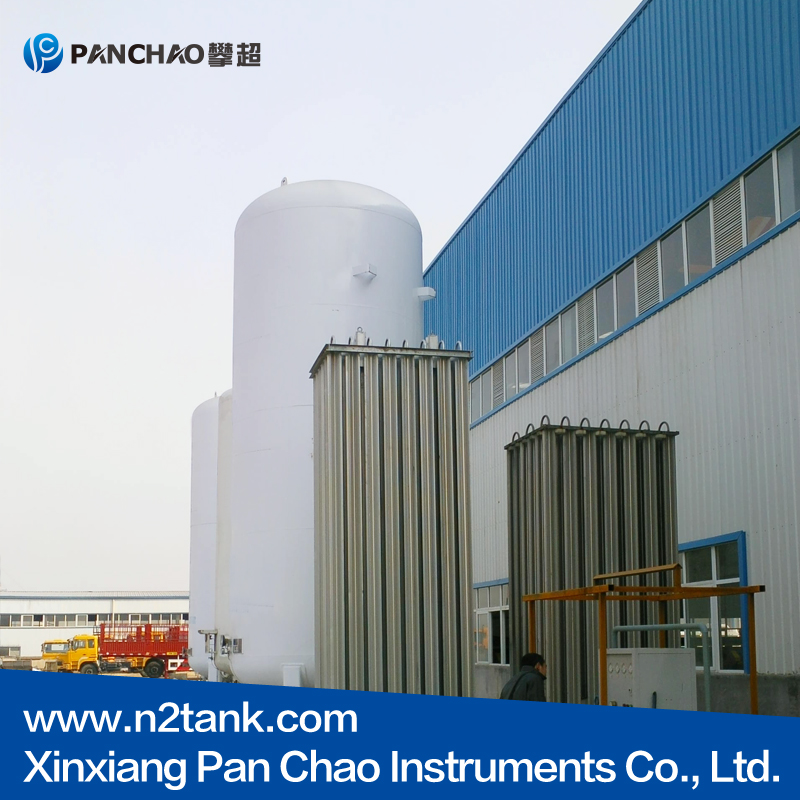
Cryogenic Liquid Tanks are available in vertical or horizonta...[more]
- 5New double Vertical cryogenic L
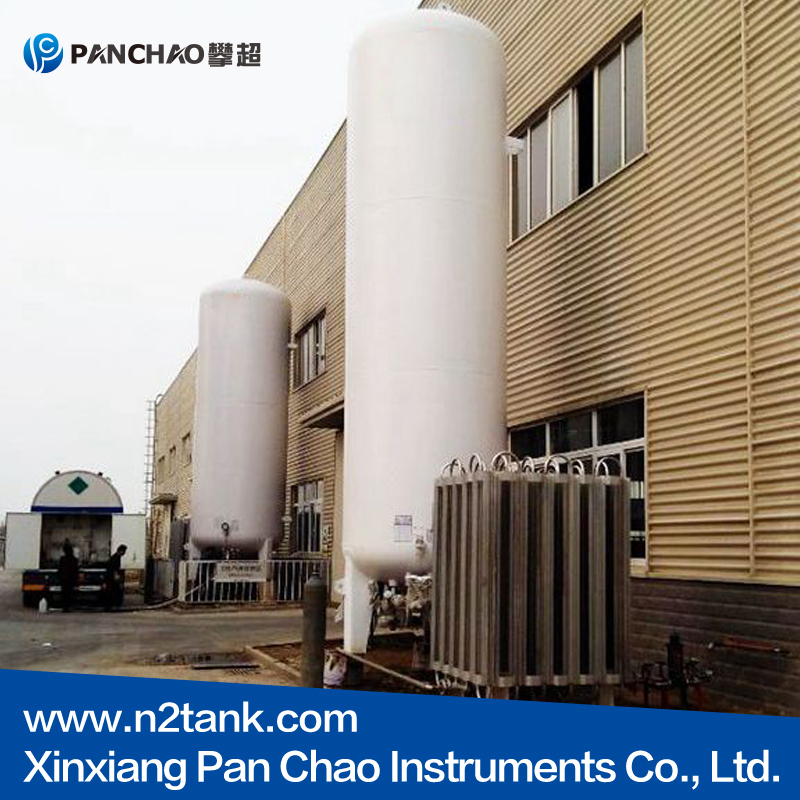
Cryogenic Liquid Tanks are available in vertical or horizonta...[more]
Rankings Of Similar Articles
- When the Nitrogen Supply Stops: Buffer Time and Contingency P
- Freezing Is Only Half the Story: Why Thawing Should Be Fast
- Breaking in a New Tank: Why the First Fill Should Be Slow
- Liquid Nitrogen or Mechanical Freezer? Two Roles in Cold Stor
- Why Must a Liquid Nitrogen Tank Be Pre-Cooled Before Use? —
- Why Is the Neck Plug of a Liquid Nitrogen Tank Not Solid? —
- How Is the "Daily Evaporation Rate" of a Liquid Nit
- Application Trends of Liquid Nitrogen Tanks in the Biopharmac
- The Role of Liquid Nitrogen Tanks in Vaccine Development: Ens
- The Value of Liquid Nitrogen Tanks in Animal Breeding
Latest Information
- Same Tank, Different Samples: Why Storage Conditions Vary
- Buying the Cold: Procurement, Delivery and Handover of Liquid
- Acceptance Checks When a New LN2 Tank Arrives
- Where to Place LN2 Tanks: Room Layout and Handling
- Records, Samples, Positions: Check-in and Inventory in an LN2
- One Tank, Four Contexts: Matching LN2 Storage to How It Will
- Refilling a Liquid Nitrogen Tank: How Self-Pressurizing Suppl
- When the Nitrogen Supply Stops: Buffer Time and Contingency P
- Freezing Is Only Half the Story: Why Thawing Should Be Fast
- Breaking in a New Tank: Why the First Fill Should Be Slow
