
Same Tank, Different Samples: Why Storage Conditions Vary
Editor:adminClick:
Time:2026-11-20 09:44
A single liquid nitrogen tank often holds cells, tissue, semen, embryos and microbial strains side by side. They share one cold environment, but their storage requirements are not identical. Understanding the differences is what allows a judgement about whether they belong together.
Temperature range is the first layer. Most cell lines and reproductive cells are kept near liquid nitrogen temperature, with vapour or liquid phase chosen according to contamination concerns and working practice. Some tissue samples are more sensitive to cooling and warming rates, since ice crystal formation and recrystallisation vary with speed. Certain strains, plant materials or specialised preparations have their own recommended conditions and do not necessarily follow the same parameters. The temperature within a tank is also uneven, and the region near the neck is not the same as the base.
Packaging is the second layer. Cells usually go in cryovials, semen and embryos in straws, tissue in vials or dedicated bags, and strains in ampoules, beads or other formats. Containers differ in volume, sealing and low-temperature performance, so mixed storage calls for attention to rack dimensions, label legibility and ease of access. Poorly sealed containers are more prone to nitrogen ingress under repeated temperature cycling, with a risk of rupture on warming.
Cooling and warming rhythm is the third layer. Slow freezing and rapid thawing is a common principle, but rates vary by sample: cells generally need controlled cooling, semen and embryos have their own protocols, and tissue may demand faster warming. Applying one programme to everything rarely serves all of them well.
Management and traceability form the fourth layer. Shelf life, review intervals and access frequency differ between sample types, and mixed storage without a consistent numbering scheme makes retrieval and inventory difficult. Dividing by sample type or project, and recording type, conditions and date in the register, is the steadier approach.
Placing samples in the same tank of nitrogen does not mean giving them the same care. Understanding the differences is how each type stays within conditions suited to it. Specific temperatures, rates and packaging should follow sample characteristics, applicable standards and equipment instructions.
Keywords:
Relevant Information
- Maintaining an LN2 Tank: What You Can Do and What Needs a Specialist
- Acceptance Checks When a New LN2 Tank Arrives
- Where to Place LN2 Tanks: Room Layout and Handling
- One Tank, Four Contexts: Matching LN2 Storage to How It Will Be Used
- Refilling a Liquid Nitrogen Tank: How Self-Pressurizing Supply Vessels Work
- When the Nitrogen Supply Stops: Buffer Time and Contingency Planning for LN2 Ta
- Breaking in a New Tank: Why the First Fill Should Be Slow
- How Long Does a Liquid Nitrogen Tank Last? Vacuum Life and Replacement Timing
- Liquid Nitrogen Storage Tanks: Stable Low Temperature for Every Important Samp
- Frost on a Liquid Nitrogen Tank: Normal or a Warning Sign?


Latest Products
- 110m3 double wall cryogenic Liqu
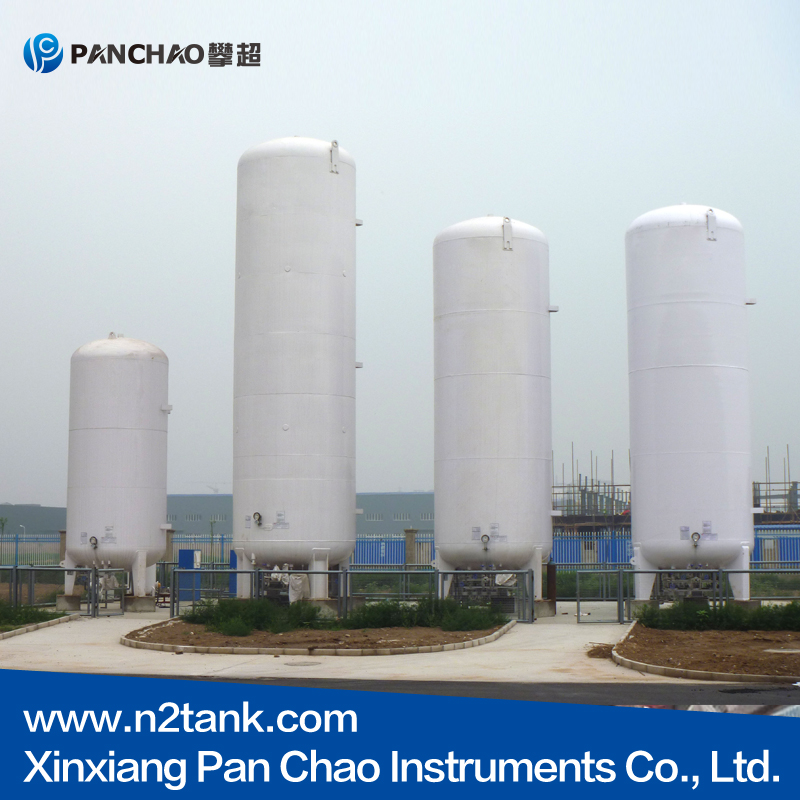
Cryogenic Liquid Tanks are available in vertical or horizonta...[more]
- 2vertical stainless steel pressu
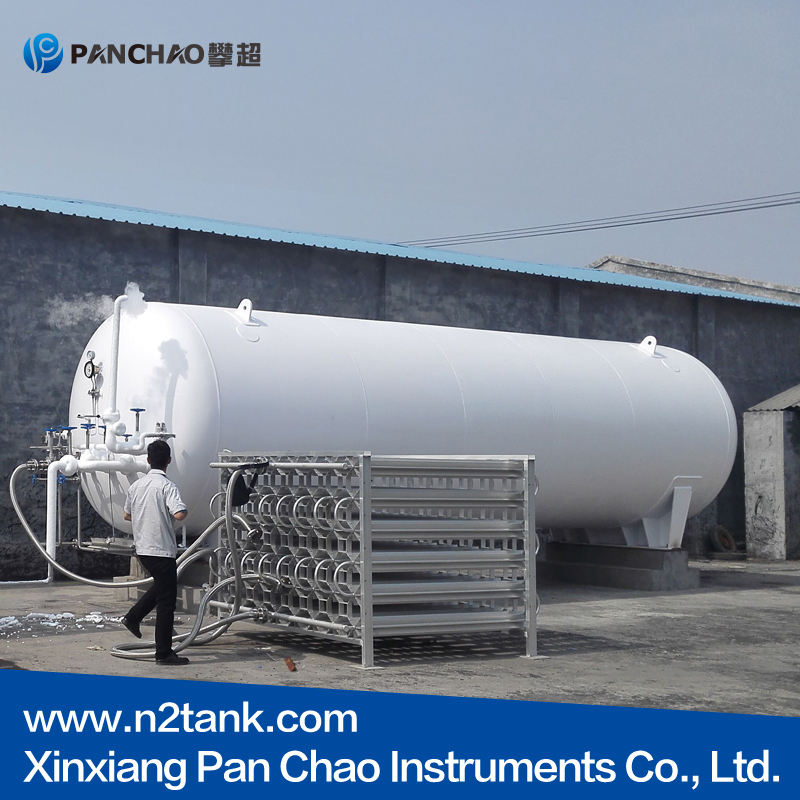
Cryogenic Liquid Tanks are available in vertical or horizonta...[more]
- 310 cubic meters cryogenic Liqui
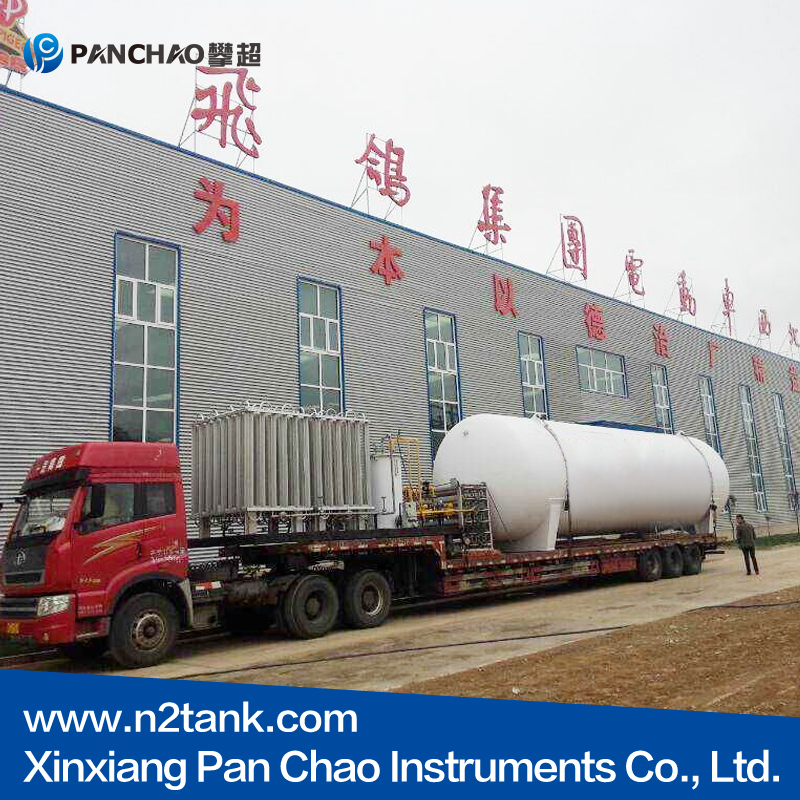
Cryogenic Liquid Tanks are available in vertical or horizonta...[more]
- 4GB150 pressure vessels cryogeni
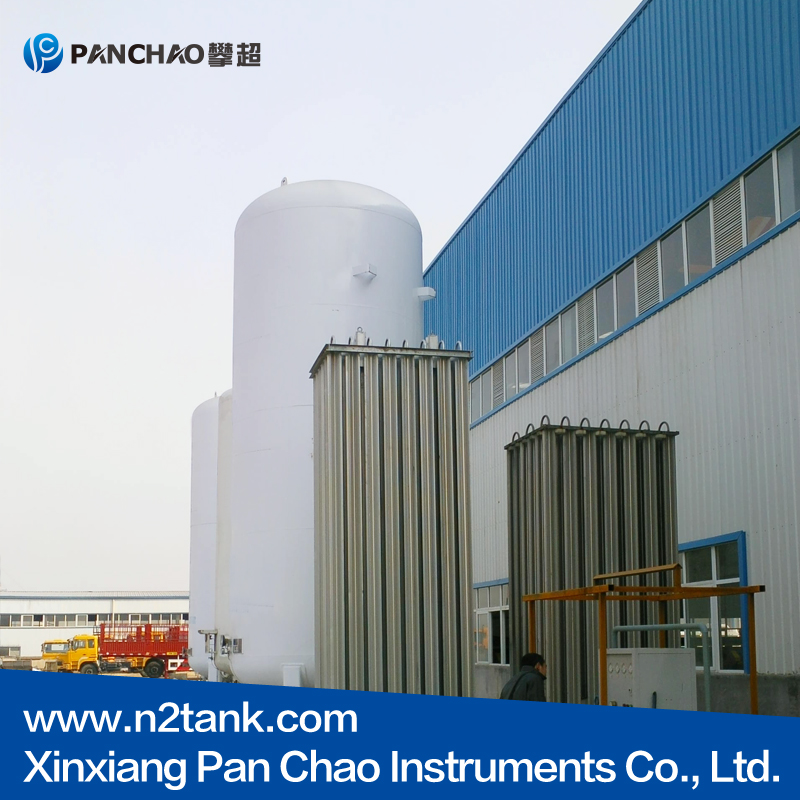
Cryogenic Liquid Tanks are available in vertical or horizonta...[more]
- 5New double Vertical cryogenic L
Cryogenic Liquid Tanks are available in vertical or horizonta...[more]
Rankings Of Similar Articles
- Maintaining an LN2 Tank: What You Can Do and What Needs a Spe
- Acceptance Checks When a New LN2 Tank Arrives
- Where to Place LN2 Tanks: Room Layout and Handling
- One Tank, Four Contexts: Matching LN2 Storage to How It Will
- Refilling a Liquid Nitrogen Tank: How Self-Pressurizing Suppl
- When the Nitrogen Supply Stops: Buffer Time and Contingency P
- Breaking in a New Tank: Why the First Fill Should Be Slow
- How Long Does a Liquid Nitrogen Tank Last? Vacuum Life and Re
- Liquid Nitrogen Storage Tanks: Stable Low Temperature for Ev
- Frost on a Liquid Nitrogen Tank: Normal or a Warning Sign?
Latest Information
- Maintaining an LN2 Tank: What You Can Do and What Needs a Spe
- Same Tank, Different Samples: Why Storage Conditions Vary
- Buying the Cold: Procurement, Delivery and Handover of Liquid
- Acceptance Checks When a New LN2 Tank Arrives
- Where to Place LN2 Tanks: Room Layout and Handling
- Records, Samples, Positions: Check-in and Inventory in an LN2
- One Tank, Four Contexts: Matching LN2 Storage to How It Will
- Refilling a Liquid Nitrogen Tank: How Self-Pressurizing Suppl
- When the Nitrogen Supply Stops: Buffer Time and Contingency P
- Freezing Is Only Half the Story: Why Thawing Should Be Fast
