
Maintaining an LN2 Tank: What You Can Do and What Needs a Specialist
Editor:adminClick:
Time:2026-11-21 14:21
An LN2 tank has no moving parts and appears to need almost no maintenance. Its performance, however, depends on the vacuum jacket and getter material, and decline tends to be silent. Splitting maintenance into what can be done in-house and what requires a specialist avoids both over-interference and waiting until something fails.
The in-house part centres on observation and records. At each refill, glance at the shell for frost, condensation or unusual cold, and check whether frost at the neck and lid seam is even; inspect the plug for damage, deformation or absence, and racks for looseness or corrosion; confirm that level or weight records are continuous and the consumption curve has not stepped up. Cryogenic hoses, couplings and safety fittings should also be reviewed periodically, with ageing, cracking or poor sealing replaced promptly. None of this involves dismantling or touching the vacuum system, yet most anomalies surface early this way.
Cleaning and protection belong to the same category. The shell can be wiped with a soft cloth, avoiding strong acids, alkalis or chlorinated cleaners that promote corrosion. A tank taken out of service is best emptied, dried and stored open, with the plug kept separately to prevent mould and odour. Avoid dragging, rolling or impact in handling, and keep load away from the neck area.
The specialist part is mainly the vacuum system. Pumping, sealing and leak-testing a vacuum jacket require dedicated equipment and qualification and are not a do-it-yourself task; if standing
observation confirms a clear rise in evaporation rate or broad frost on the shell, the supplier or a qualified service should be contacted. Safety valves and rupture discs should be verified or replaced at the stated intervals, since their opening pressure bears on the tank's pressure safety and should not be adjusted by feel. Level and temperature probes need periodic calibration, and drift at low temperature likewise calls for professional confirmation.
observation confirms a clear rise in evaporation rate or broad frost on the shell, the supplier or a qualified service should be contacted. Safety valves and rupture discs should be verified or replaced at the stated intervals, since their opening pressure bears on the tank's pressure safety and should not be adjusted by feel. Level and temperature probes need periodic calibration, and drift at low temperature likewise calls for professional confirmation.
On scheduling, tiers can follow intensity of use: frequently accessed, permanently full units warrant more frequent checks, and service records and replaced parts belong in the same file, forming a history for that tank. When the consumption curve shifts in trend, it is the moment to look back through the maintenance log.
Maintenance is less about frequent intervention than about knowing what to watch and what not to touch. Specific items, intervals and test methods should follow the equipment manual and institutional procedures.
Next:None Previous:Same Tank, Different Samples: Why Storage Conditions Vary
Keywords:
Relevant Information
- Same Tank, Different Samples: Why Storage Conditions Vary
- Acceptance Checks When a New LN2 Tank Arrives
- Where to Place LN2 Tanks: Room Layout and Handling
- Records, Samples, Positions: Check-in and Inventory in an LN2 Biobank
- One Tank, Four Contexts: Matching LN2 Storage to How It Will Be Used
- Refilling a Liquid Nitrogen Tank: How Self-Pressurizing Supply Vessels Work
- When the Nitrogen Supply Stops: Buffer Time and Contingency Planning for LN2 Ta
- Breaking in a New Tank: Why the First Fill Should Be Slow
- How Long Does a Liquid Nitrogen Tank Last? Vacuum Life and Replacement Timing
- Liquid Nitrogen Storage Tanks: Stable Low Temperature for Every Important Samp

Latest Products
- 110m3 double wall cryogenic Liqu
Cryogenic Liquid Tanks are available in vertical or horizonta...[more]
- 2vertical stainless steel pressu
Cryogenic Liquid Tanks are available in vertical or horizonta...[more]
- 310 cubic meters cryogenic Liqui
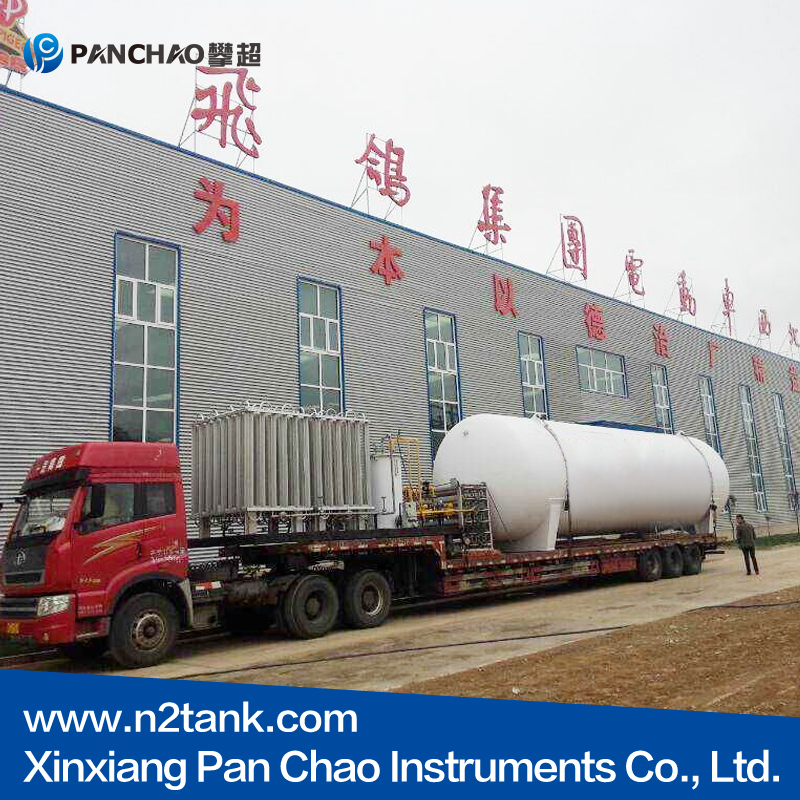
Cryogenic Liquid Tanks are available in vertical or horizonta...[more]
- 4GB150 pressure vessels cryogeni
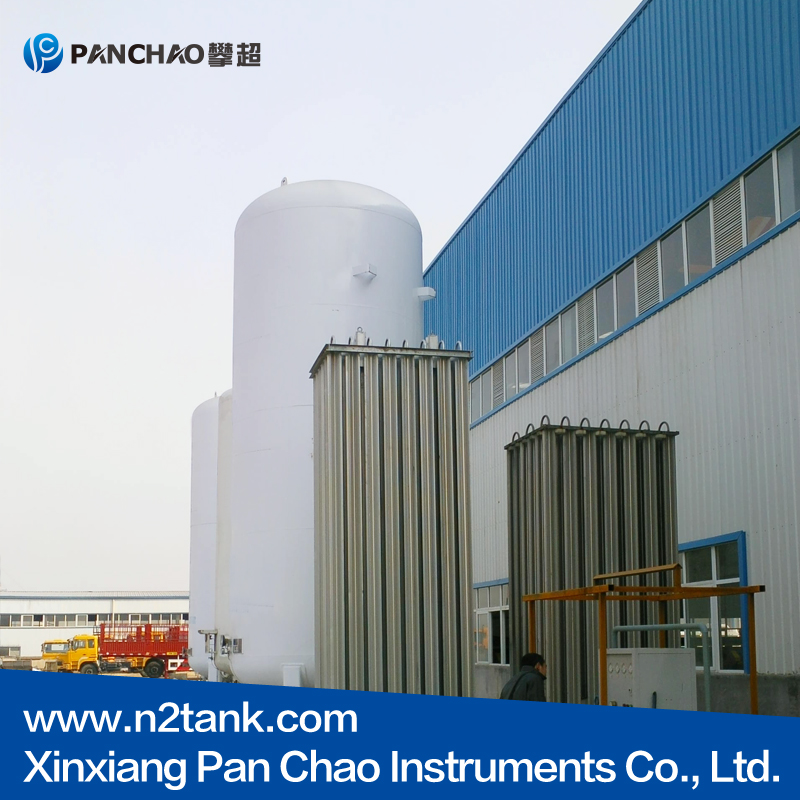
Cryogenic Liquid Tanks are available in vertical or horizonta...[more]
- 5New double Vertical cryogenic L
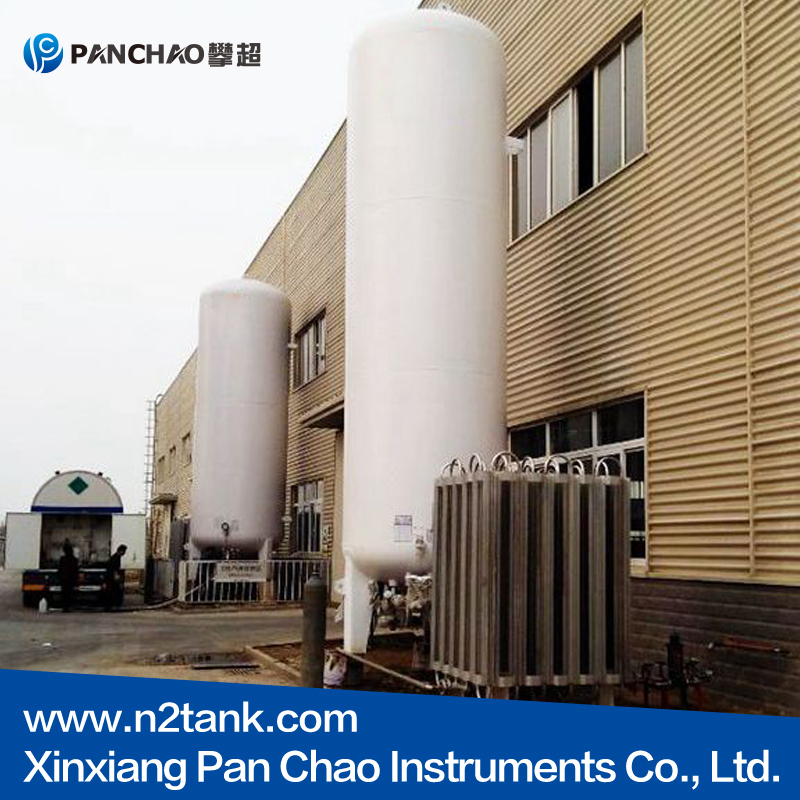
Cryogenic Liquid Tanks are available in vertical or horizonta...[more]
Rankings Of Similar Articles
- Same Tank, Different Samples: Why Storage Conditions Vary
- Acceptance Checks When a New LN2 Tank Arrives
- Where to Place LN2 Tanks: Room Layout and Handling
- Records, Samples, Positions: Check-in and Inventory in an LN2
- One Tank, Four Contexts: Matching LN2 Storage to How It Will
- Refilling a Liquid Nitrogen Tank: How Self-Pressurizing Suppl
- When the Nitrogen Supply Stops: Buffer Time and Contingency P
- Breaking in a New Tank: Why the First Fill Should Be Slow
- How Long Does a Liquid Nitrogen Tank Last? Vacuum Life and Re
- Liquid Nitrogen Storage Tanks: Stable Low Temperature for Ev
Latest Information
- Maintaining an LN2 Tank: What You Can Do and What Needs a Spe
- Same Tank, Different Samples: Why Storage Conditions Vary
- Buying the Cold: Procurement, Delivery and Handover of Liquid
- Acceptance Checks When a New LN2 Tank Arrives
- Where to Place LN2 Tanks: Room Layout and Handling
- Records, Samples, Positions: Check-in and Inventory in an LN2
- One Tank, Four Contexts: Matching LN2 Storage to How It Will
- Refilling a Liquid Nitrogen Tank: How Self-Pressurizing Suppl
- When the Nitrogen Supply Stops: Buffer Time and Contingency P
- Freezing Is Only Half the Story: Why Thawing Should Be Fast
