
The Fundamental Reasons Behind Performance Degradation in Liquid Nitrogen Tanks After Long-Term Use
Liquid nitrogen tanks are designed for long-term, stable cryogenic storage, but after years of operation, users may notice increased evaporation rates, shorter holding times, or unstable internal temperatures. These changes are not random; they are the result of several fundamental mechanisms that gradually reduce tank performance.
The most critical root cause is vacuum insulation degradation. Liquid nitrogen tanks rely on a high-vacuum layer between the inner and outer shells to minimize heat transfer. Over time, micro-leaks in weld seams, valve interfaces, or sealing points can allow gas to slowly enter this vacuum space. Even a small loss of vacuum significantly increases heat conduction, leading to faster nitrogen evaporation.
Another major factor is aging of the multi-layer insulation (MLI). Reflective insulation layers inside the vacuum space reduce radiant heat transfer. Prolonged exposure to thermal cycling, vibration, and residual moisture can cause these layers to shift, compress, or lose reflectivity, reducing their effectiveness.
Mechanical fatigue and micro-deformation also contribute to performance decline. Repeated filling, emptying, and handling create cyclic mechanical stress on the inner vessel, neck tube, and support structures. Over time, this can alter alignment or increase thermal conduction paths, especially through the neck region.
Contamination is another often overlooked cause. Moisture, dust, or ice ingress around the neck opening can form thermal bridges that transfer heat directly into the tank. Ice buildup may also interfere with proper lid sealing, further increasing heat leakage.
In some cases, improper handling and transport accelerate degradation. Tilting, impact, or excessive vibration can damage internal supports or compromise the vacuum layer without visible external damage.
Finally, material aging plays a role. Although high-quality aluminum alloys or stainless steels are durable, long-term exposure to cryogenic temperatures can still affect weld integrity and surface properties, especially in lower-quality tanks.
In conclusion, the fundamental reasons for performance degradation in long-used liquid nitrogen tanks include vacuum loss, insulation aging, mechanical fatigue, contamination, improper handling, and gradual material aging. Regular inspection, careful handling, and monitoring of evaporation rates are essential to detect early signs of decline and extend the service life of the tank.
Relevant Information
- How to Understand the Static Evaporation Rate of a Liquid Nitrogen Tank
- How to Understand the Static Evaporation Rate of a Liquid Nitrogen Tank
- How the Outer Shell Material of a Liquid Nitrogen Tank Affects Its Overall Serv
- Five Typical Signs of Vacuum Failure in Liquid Nitrogen Tanks
- Key Indicators That Define the Insulation Performance of Liquid Nitrogen Tanks
- Design of the Inner Canister (Rack) in Liquid Nitrogen Tanks
- How to Determine Whether a Liquid Nitrogen Tank Needs Replacement: Professional
- The Critical Role of Liquid Nitrogen Tanks in Frozen Semen Storage for the Live
- What Makes the Sealing Structure of a Liquid Nitrogen Tank Lid So Important?
- The Cooling Principle of Liquid Nitrogen Tanks: Why Can They Maintain –196°C

Latest Products
- 110m3 double wall cryogenic Liqu
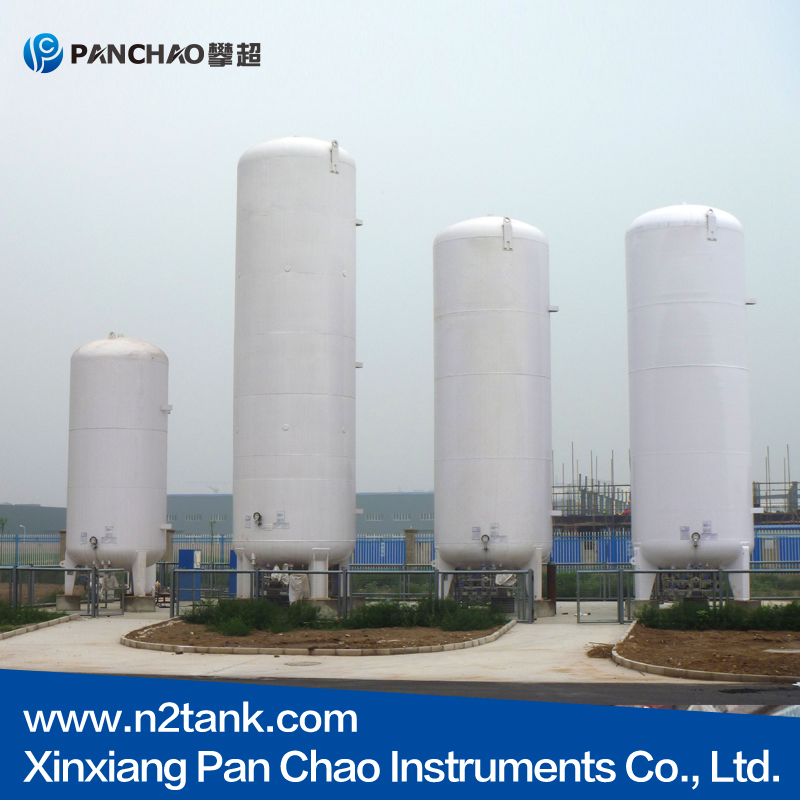
Cryogenic Liquid Tanks are available in vertical or horizonta...[more]
- 2vertical stainless steel pressu
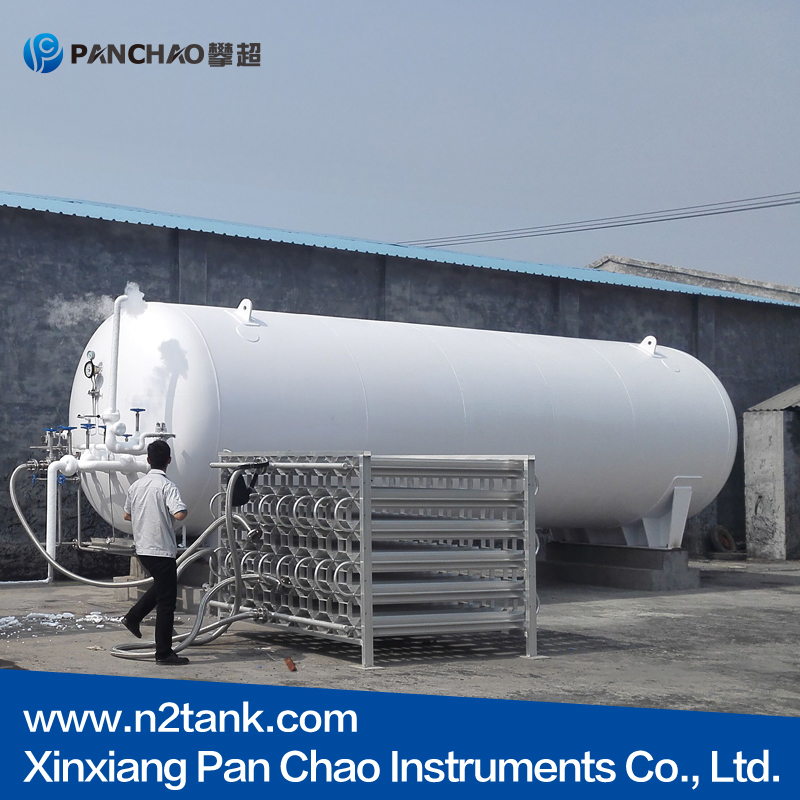
Cryogenic Liquid Tanks are available in vertical or horizonta...[more]
- 310 cubic meters cryogenic Liqui
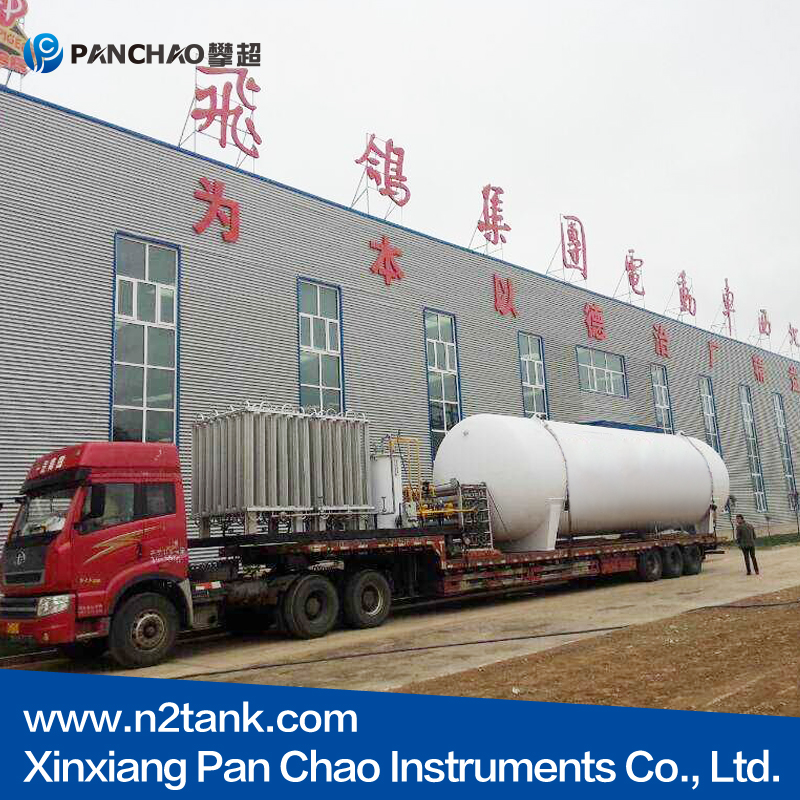
Cryogenic Liquid Tanks are available in vertical or horizonta...[more]
- 4GB150 pressure vessels cryogeni
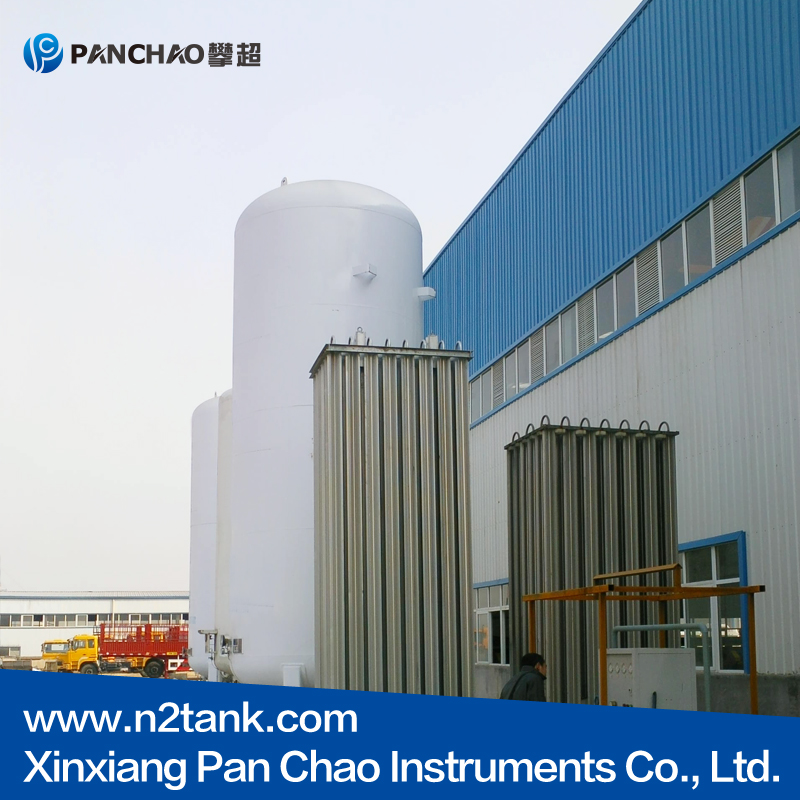
Cryogenic Liquid Tanks are available in vertical or horizonta...[more]
- 5New double Vertical cryogenic L
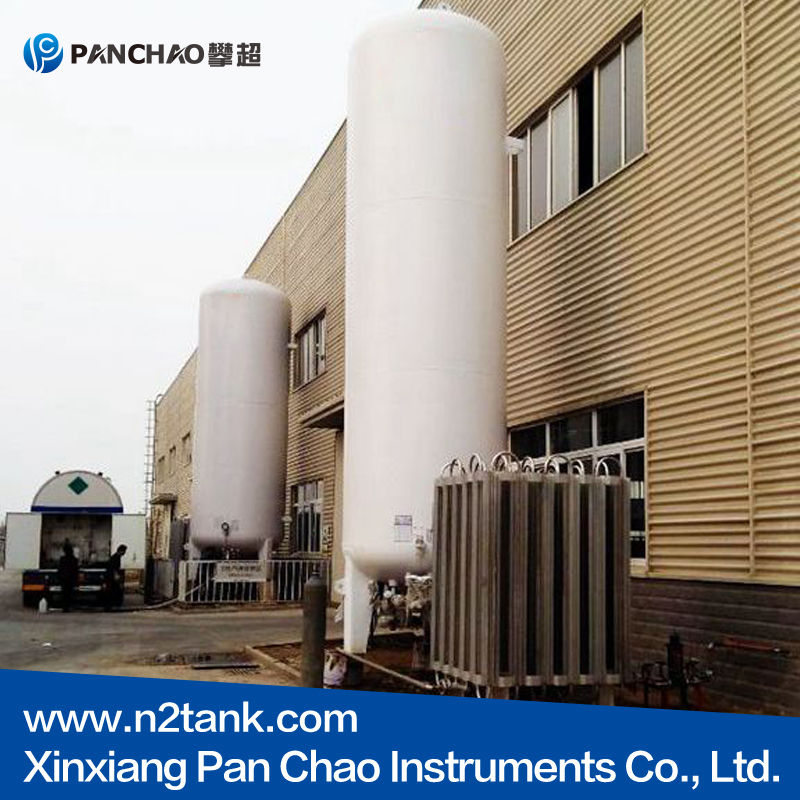
Cryogenic Liquid Tanks are available in vertical or horizonta...[more]
Rankings Of Similar Articles
- How to Understand the Static Evaporation Rate of a Liquid Nit
- How to Understand the Static Evaporation Rate of a Liquid Nit
- How the Outer Shell Material of a Liquid Nitrogen Tank Affect
- Five Typical Signs of Vacuum Failure in Liquid Nitrogen Tanks
- Key Indicators That Define the Insulation Performance of Liqu
- Design of the Inner Canister (Rack) in Liquid Nitrogen Tanks
- How to Determine Whether a Liquid Nitrogen Tank Needs Replace
- The Critical Role of Liquid Nitrogen Tanks in Frozen Semen St
- What Makes the Sealing Structure of a Liquid Nitrogen Tank Li
- The Cooling Principle of Liquid Nitrogen Tanks: Why Can They
Latest Information
- How to Understand the Static Evaporation Rate of a Liquid Nit
- Aluminum Alloy vs. Stainless Steel Liquid Nitrogen Tanks: Adv
- The Cooling Principle of Liquid Nitrogen Tanks: How Do They M
- The Vacuum Layer in Liquid Nitrogen Tanks: Invisible but Esse
- Holiday Notice
- Storage Environment Requirements for Liquid Nitrogen Tanks: T
- Hot sale thawing cup
- Storage of liquid nitrogen tank
- Application of liquid nitrogen tank in heat treatment field
- Liquid nitrogen tank for nitrogen station
