
How to Understand the Static Evaporation Rate of a Liquid Nitrogen Tank
The static evaporation rate (SER) is one of the most important performance indicators of a liquid nitrogen tank. It directly reflects the tank’s insulation efficiency and determines how economically liquid nitrogen can be stored over time. Understanding this parameter helps users select the right tank and evaluate its long-term performance.
The static evaporation rate refers to the percentage or volume of liquid nitrogen that naturally evaporates per day when the tank is stationary, unopened, and not in use. Under test conditions, the tank is filled with liquid nitrogen, sealed, and placed in a controlled environment with stable ambient temperature. The daily loss of liquid nitrogen caused purely by heat leakage is then measured. Because no samples are removed and no lid is opened, this value represents the tank’s best possible performance.
A lower static evaporation rate indicates better thermal insulation. Liquid nitrogen boils at −196 °C, so any heat entering the tank causes part of the liquid to vaporize. The main sources of heat ingress include radiation, conduction through the neck tube, and residual gas conduction in the vacuum layer. High-quality tanks minimize these heat paths through a well-designed narrow neck, a high-vacuum interlayer, and multi-layer insulation.
It is important to note that the static evaporation rate is not the same as actual usage loss. In real-world operation, opening the lid, inserting or removing canisters, and frequent handling will significantly increase evaporation. Therefore, the static evaporation rate should be viewed as a baseline reference, not a guarantee of daily consumption during normal use.
Several factors influence this value, including tank capacity, neck tube length and diameter, vacuum quality, and manufacturing processes. Larger tanks often show lower evaporation rates per unit volume, while tanks with damaged vacuum insulation will experience a rapid increase in evaporation.
In practical terms, users should compare static evaporation rates when selecting tanks for long-term storage applications such as biological samples, semen preservation, or medical materials. A stable, low static evaporation rate not only reduces liquid nitrogen consumption but also indicates reliable insulation performance and longer service life.
In summary, the static evaporation rate is a key metric for evaluating liquid nitrogen tank quality. Understanding its meaning allows users to make informed decisions and manage cryogenic storage more efficiently.
Relevant Information
- How Is the Design Service Life of a Liquid Nitrogen Tank Determined?
- Is the Safety Valve of a Liquid Nitrogen Tank Really “Just for Venting”?
- Why Concentricity Between the Inner and Outer Vessels of a Liquid Nitrogen Tank
- Why the Vacuum Layer of a Liquid Nitrogen Tank Cannot Be Repaired On-Site
- The Fundamental Reasons Behind Performance Degradation in Liquid Nitrogen Tanks
- How to Understand the Static Evaporation Rate of a Liquid Nitrogen Tank
- How the Outer Shell Material of a Liquid Nitrogen Tank Affects Its Overall Serv
- How Neck Tube Length Affects Evaporation Loss in Liquid Nitrogen Tanks
- Five Typical Signs of Vacuum Failure in Liquid Nitrogen Tanks
- Key Indicators That Define the Insulation Performance of Liquid Nitrogen Tanks

Latest Products
- 110m3 double wall cryogenic Liqu
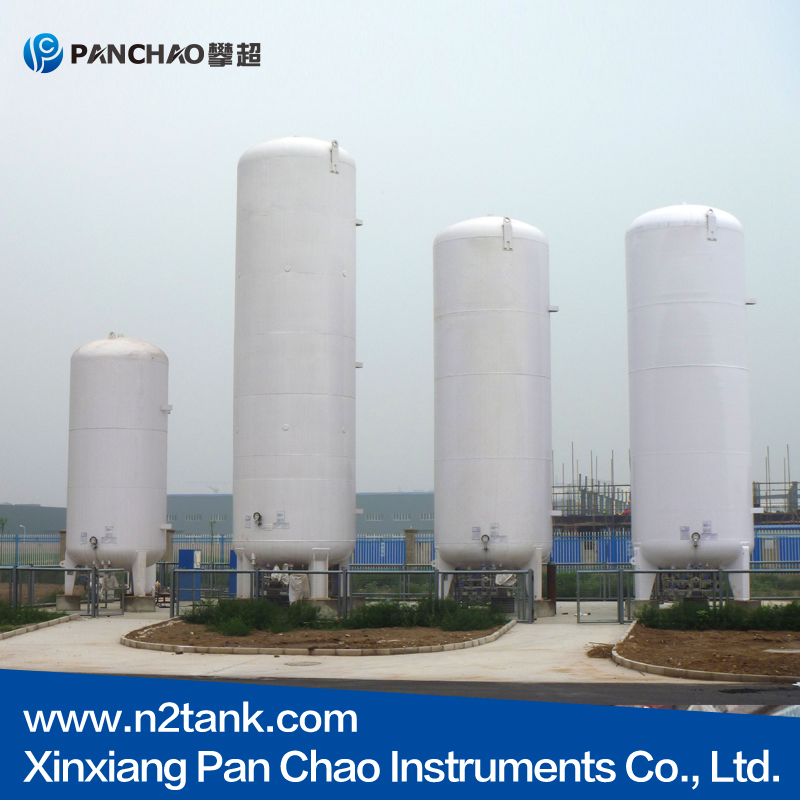
Cryogenic Liquid Tanks are available in vertical or horizonta...[more]
- 2vertical stainless steel pressu
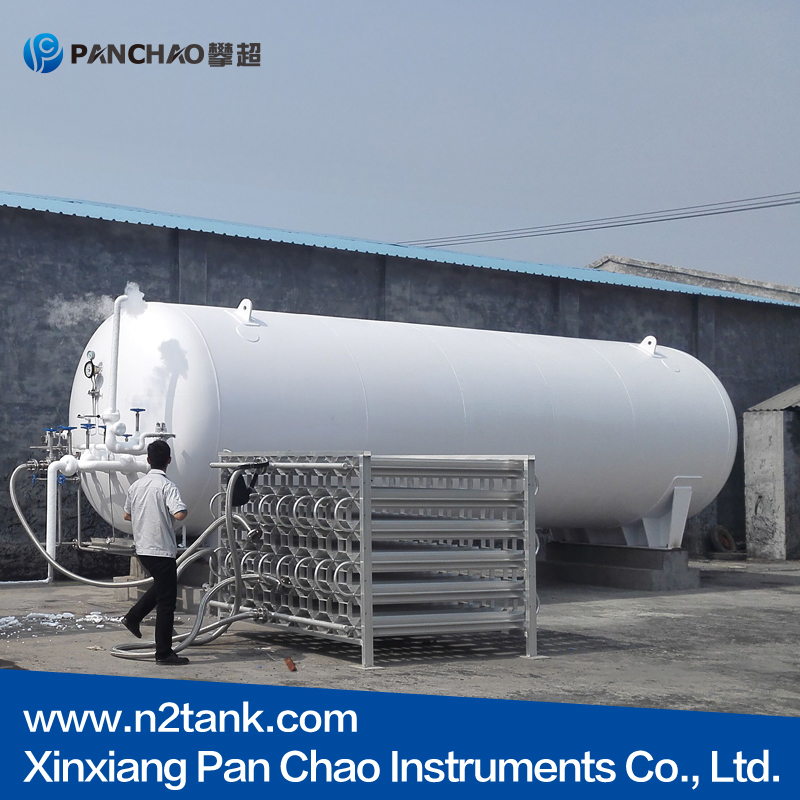
Cryogenic Liquid Tanks are available in vertical or horizonta...[more]
- 310 cubic meters cryogenic Liqui
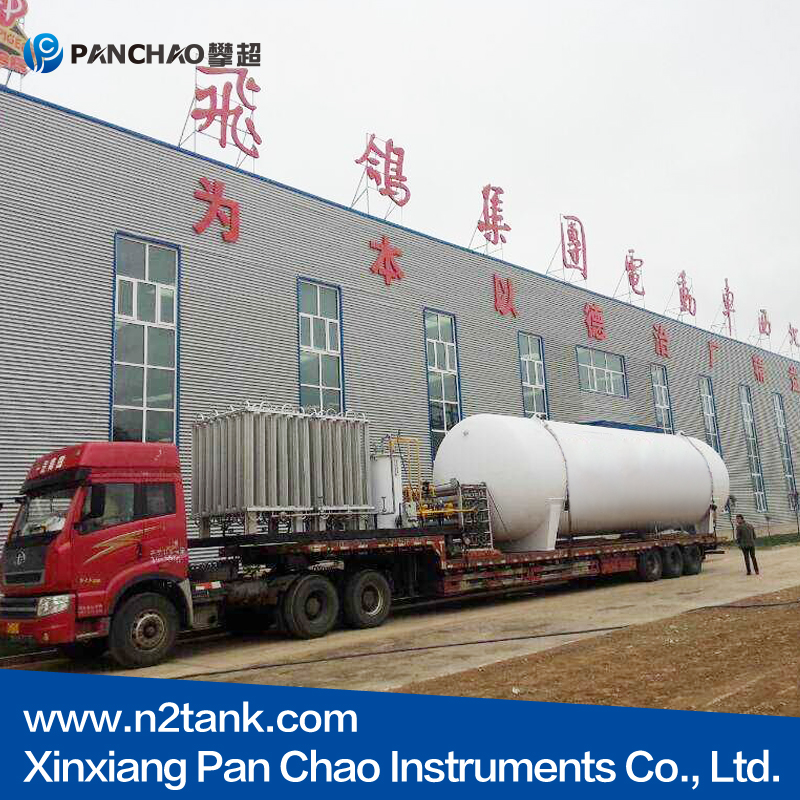
Cryogenic Liquid Tanks are available in vertical or horizonta...[more]
- 4GB150 pressure vessels cryogeni
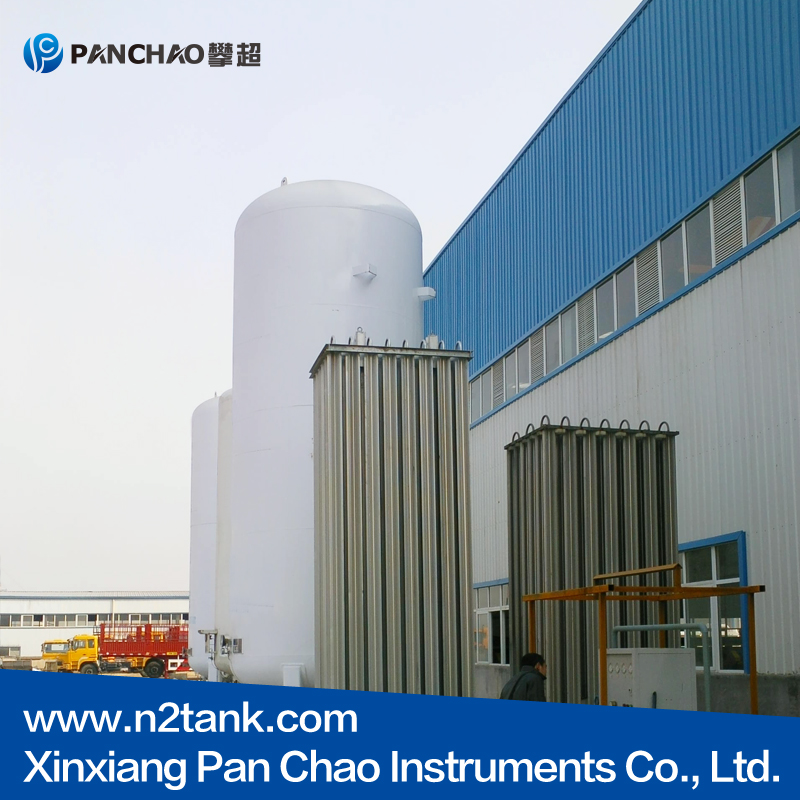
Cryogenic Liquid Tanks are available in vertical or horizonta...[more]
- 5New double Vertical cryogenic L
Cryogenic Liquid Tanks are available in vertical or horizonta...[more]
Rankings Of Similar Articles
- How Is the Design Service Life of a Liquid Nitrogen Tank Dete
- Is the Safety Valve of a Liquid Nitrogen Tank Really “Just
- Why Concentricity Between the Inner and Outer Vessels of a Li
- Why the Vacuum Layer of a Liquid Nitrogen Tank Cannot Be Repa
- The Fundamental Reasons Behind Performance Degradation in Liq
- How to Understand the Static Evaporation Rate of a Liquid Nit
- How the Outer Shell Material of a Liquid Nitrogen Tank Affect
- How Neck Tube Length Affects Evaporation Loss in Liquid Nitro
- Five Typical Signs of Vacuum Failure in Liquid Nitrogen Tanks
- Key Indicators That Define the Insulation Performance of Liqu
Latest Information
- Why Liquid Nitrogen Dewars Should Not Be Stored Empty Long-Te
- How to Understand the Static Evaporation Rate of a Liquid Nit
- Aluminum Alloy vs. Stainless Steel Liquid Nitrogen Tanks: Adv
- The Cooling Principle of Liquid Nitrogen Tanks: How Do They M
- The Vacuum Layer in Liquid Nitrogen Tanks: Invisible but Esse
- Holiday Notice
- Storage Environment Requirements for Liquid Nitrogen Tanks: T
- Hot sale thawing cup
- Storage of liquid nitrogen tank
- Application of liquid nitrogen tank in heat treatment field
