
Why Liquid Nitrogen Dewars Should Not Be Stored Empty Long-Term
It is a common misconception that storing a liquid nitrogen (LN2) dewar empty when not in use extends its lifespan. In reality, prolonged empty storage can significantly damage the vessel and compromise its future performance.
The primary risk is moisture contamination. When a dewar is empty, warm, humid air enters the interior. As the tank cools to ambient temperature, condensation forms inside. This residual moisture has two destructive effects. First, it promotes oxidation and corrosion of the inner aluminum shell, gradually weakening the vessel's structural integrity. Second, and more critically, any water that seeps into the neck tube or multilayer insulation can freeze when the dewar is refilled. Ice expansion damages the insulation material and can create "cold spots" that drastically increase LN2 boil-off rates.
Additionally, vacuum integrity is threatened. If moisture reaches the insulation space through micro-leaks (which can develop over time), it degrades the high vacuum that provides thermal insulation. Once the vacuum is compromised, the dewar becomes a "high evaporator," losing LN2 rapidly and becoming inefficient or unusable for cryopreservation.
Furthermore, thermal stress cycling takes a toll. Frequent transitions from cold to ambient temperature stress the materials, potentially accelerating weld fatigue compared to continuous cold operation.
For these reasons, proper storage matters. If a dewar must be stored empty, it should be kept with the cap loosely placed (not sealed) in a dry environment to allow air circulation while minimizing moisture ingress. Better yet, periodic refilling with LN2, even during idle periods, preserves the vacuum and prevents the internal condensation that leads to premature failure.
Relevant Information
- Does Frost on the Outside of a Liquid Nitrogen Tank Always Indicate a Quality P
- Design Differences Between Laboratory and Transport Liquid Nitrogen Tanks
- Analysis of How Storage Environment Affects the Service Life of Liquid Nitrogen
- Which Cryogenic Biological Samples Are Suitable for Storage in Liquid Nitrogen
- How Is the Design Service Life of a Liquid Nitrogen Tank Determined?
- What Hidden Risks Can Neck Opening Wear Cause in a Liquid Nitrogen Tank?
- Is the Safety Valve of a Liquid Nitrogen Tank Really “Just for Venting”?
- Why Concentricity Between the Inner and Outer Vessels of a Liquid Nitrogen Tank
- Usage Limitations of Liquid Nitrogen Tanks in High-Temperature Environments
- What Does an Abnormally High Liquid Nitrogen Refilling Frequency Indicate?

Latest Products
- 110m3 double wall cryogenic Liqu
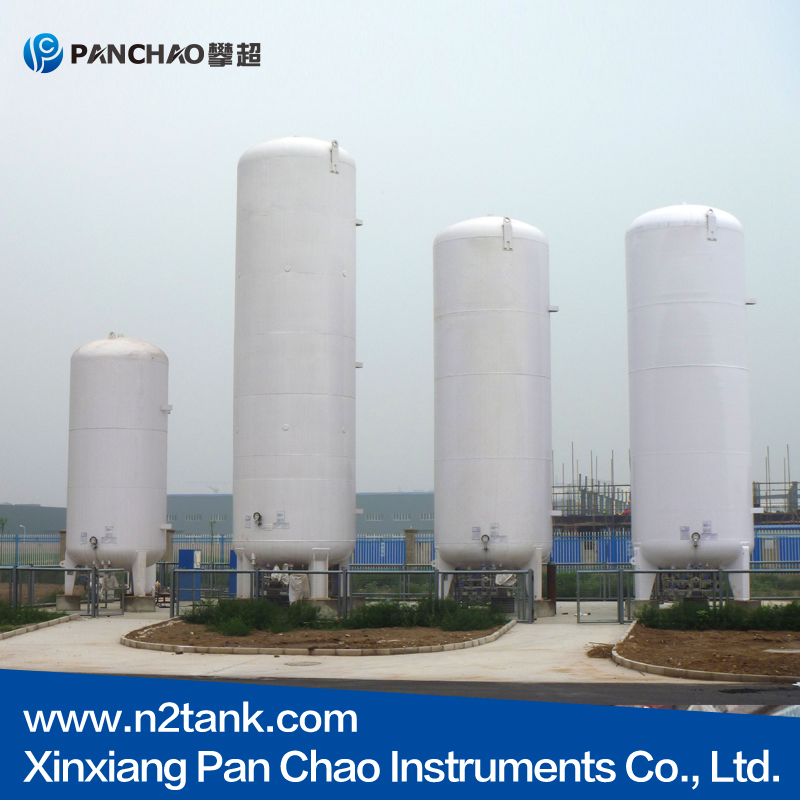
Cryogenic Liquid Tanks are available in vertical or horizonta...[more]
- 2vertical stainless steel pressu
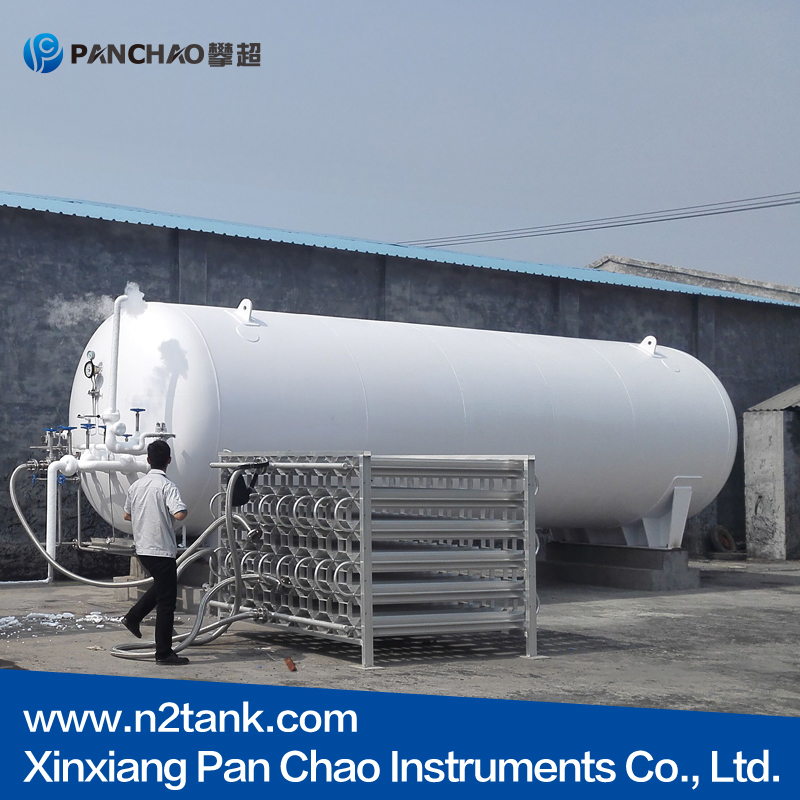
Cryogenic Liquid Tanks are available in vertical or horizonta...[more]
- 310 cubic meters cryogenic Liqui
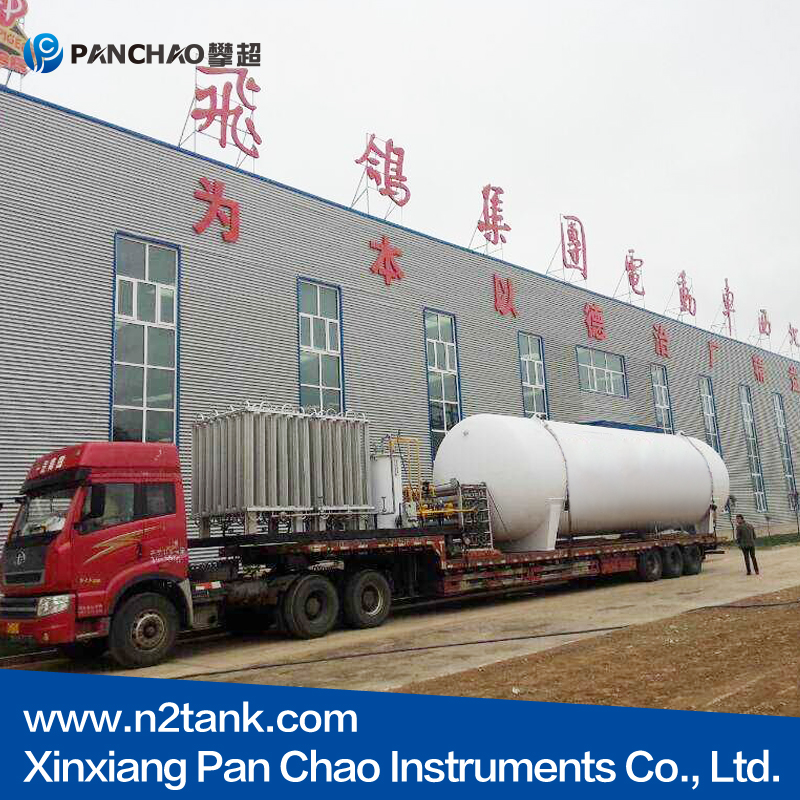
Cryogenic Liquid Tanks are available in vertical or horizonta...[more]
- 4GB150 pressure vessels cryogeni
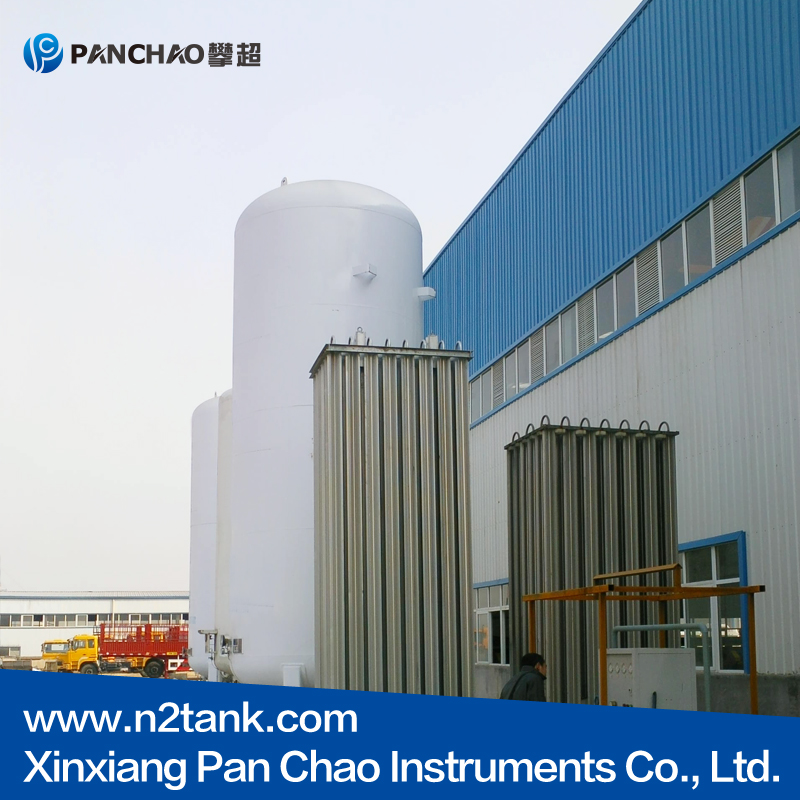
Cryogenic Liquid Tanks are available in vertical or horizonta...[more]
- 5New double Vertical cryogenic L
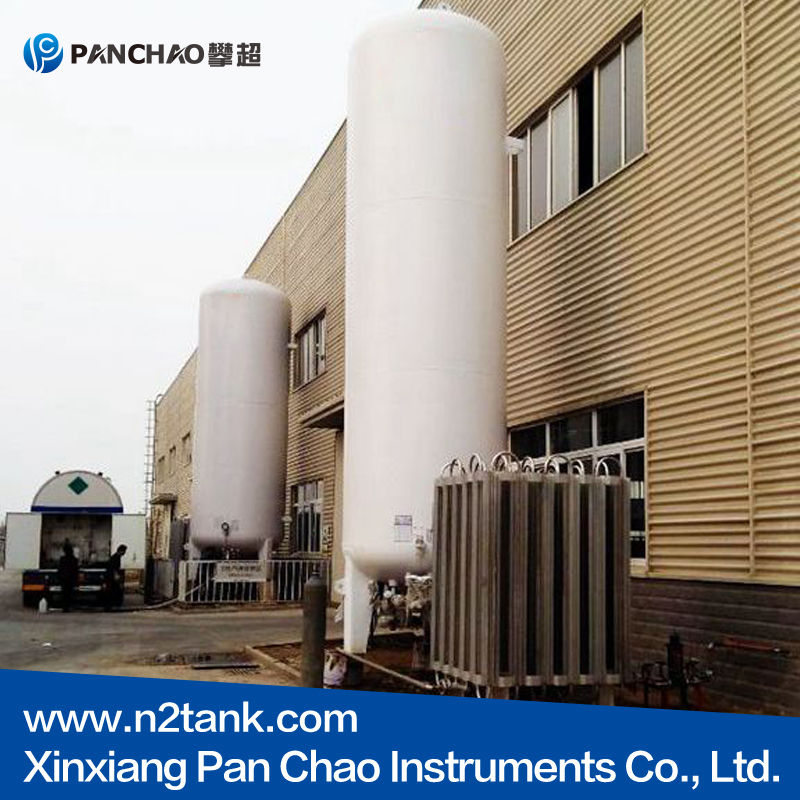
Cryogenic Liquid Tanks are available in vertical or horizonta...[more]
Rankings Of Similar Articles
- Does Frost on the Outside of a Liquid Nitrogen Tank Always In
- Design Differences Between Laboratory and Transport Liquid Ni
- Analysis of How Storage Environment Affects the Service Life
- Which Cryogenic Biological Samples Are Suitable for Storage i
- How Is the Design Service Life of a Liquid Nitrogen Tank Dete
- What Hidden Risks Can Neck Opening Wear Cause in a Liquid Nit
- Is the Safety Valve of a Liquid Nitrogen Tank Really “Just
- Why Concentricity Between the Inner and Outer Vessels of a Li
- Usage Limitations of Liquid Nitrogen Tanks in High-Temperatur
- What Does an Abnormally High Liquid Nitrogen Refilling Freque
Latest Information
- Does Frost on the Outside of a Liquid Nitrogen Tank Always In
- Why Liquid Nitrogen Dewars Should Not Be Stored Empty Long-Te
- How to Understand the Static Evaporation Rate of a Liquid Nit
- Aluminum Alloy vs. Stainless Steel Liquid Nitrogen Tanks: Adv
- The Cooling Principle of Liquid Nitrogen Tanks: How Do They M
- The Vacuum Layer in Liquid Nitrogen Tanks: Invisible but Esse
- Holiday Notice
- Storage Environment Requirements for Liquid Nitrogen Tanks: T
- Hot sale thawing cup
- Storage of liquid nitrogen tank
