
Why Concentricity Between the Inner and Outer Vessels of a Liquid Nitrogen Tank Is So Important
In liquid nitrogen tank design and manufacturing, the concentricity between the inner vessel and outer shell is a critical but often overlooked parameter. Although invisible during normal use, poor concentricity can significantly affect insulation performance, mechanical reliability, and long-term service life.
The most direct impact is on vacuum insulation uniformity. Liquid nitrogen tanks rely on a consistent vacuum gap between the inner and outer vessels to minimize heat transfer. If concentricity is poor, the vacuum layer becomes uneven—narrow in some areas and wider in others. Narrow gaps increase solid and gas conduction, allowing more heat to enter the inner vessel and accelerating liquid nitrogen evaporation.
Concentricity also influences mechanical stress distribution. When the inner vessel is off-center, its weight and the weight of stored liquid nitrogen are unevenly supported by internal spacers or neck structures. Over time, this creates localized stress, increasing the risk of deformation, fatigue, or micro-cracks at welds and support points.
Another critical aspect is neck tube alignment. The neck tube is one of the main heat transfer paths in a liquid nitrogen tank. Poor concentricity can cause the neck tube to tilt or experience asymmetric stress, increasing heat conduction and reducing structural stability during repeated thermal cycles.
From a vibration and transport perspective, tanks with poor concentricity are more sensitive to shock and movement. An off-center inner vessel is more likely to oscillate during handling, which can damage internal supports or compromise the vacuum layer.
In addition, concentricity affects long-term vacuum retention. Uneven stress and deformation can gradually open micro-leaks, allowing gas to enter the vacuum space and degrade insulation performance over time.
In summary, maintaining precise concentricity between the inner and outer vessels is essential for uniform vacuum insulation, balanced mechanical support, stable neck tube performance, and long-term reliability. High concentricity is a key indicator of manufacturing quality and a foundation for consistent performance in liquid nitrogen tanks used for scientific, medical, and industrial applications.
Relevant Information
- Why the Vacuum Layer of a Liquid Nitrogen Tank Cannot Be Repaired On-Site
- Why Portable Liquid Nitrogen Tanks Place Higher Demands on Vacuum Technology
- The Cooling Principle of Liquid Nitrogen Tanks: Why Can They Maintain –196°C
- Why Does a Narrower Neck Improve the Insulation of a Liquid Nitrogen Tank?
- Why Doesn’t a Liquid Nitrogen Tank Freeze? The Science Behind Vacuum Insulati
- Why Do Some Liquid Nitrogen Tanks Last Only 5 Years While Others Last 10?
- Why does the liquid nitrogen tank need to be vacuumed regularly? Maintain detai
- Structural analysis of liquid nitrogen tank: why is double-layer design crucial
- Structural analysis of liquid nitrogen tank: why is double-layer design crucial
- What is the difference between liquid nitrogen tanks and ordinary tanks?

Latest Products
- 110m3 double wall cryogenic Liqu
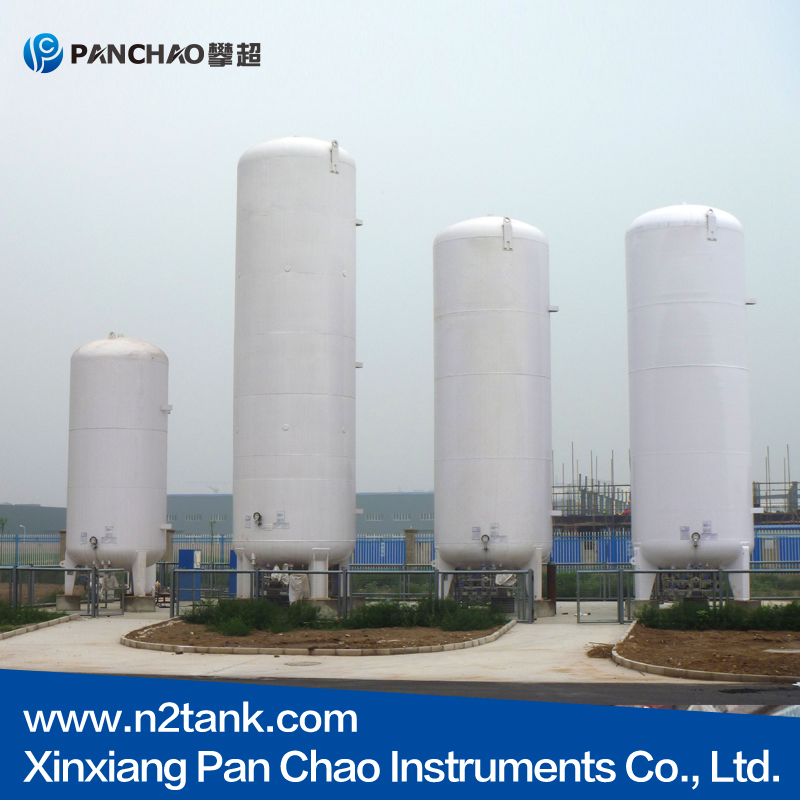
Cryogenic Liquid Tanks are available in vertical or horizonta...[more]
- 2vertical stainless steel pressu
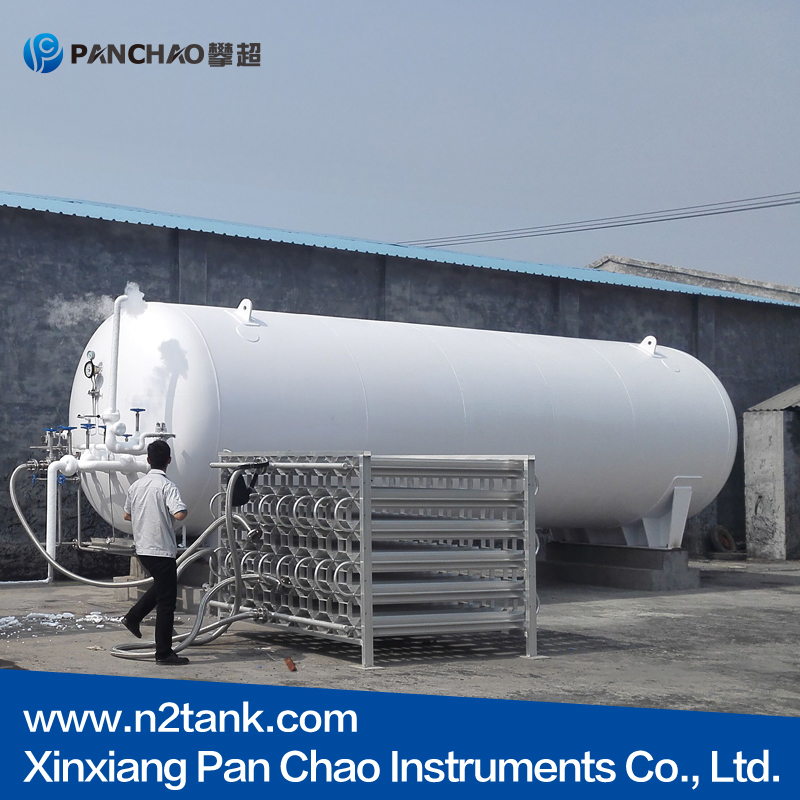
Cryogenic Liquid Tanks are available in vertical or horizonta...[more]
- 310 cubic meters cryogenic Liqui
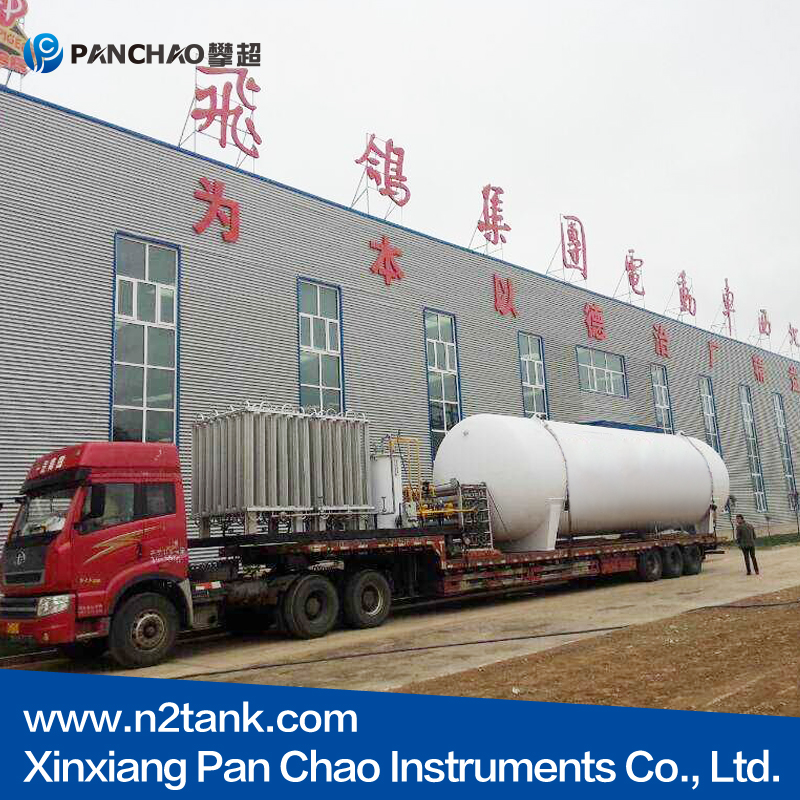
Cryogenic Liquid Tanks are available in vertical or horizonta...[more]
- 4GB150 pressure vessels cryogeni
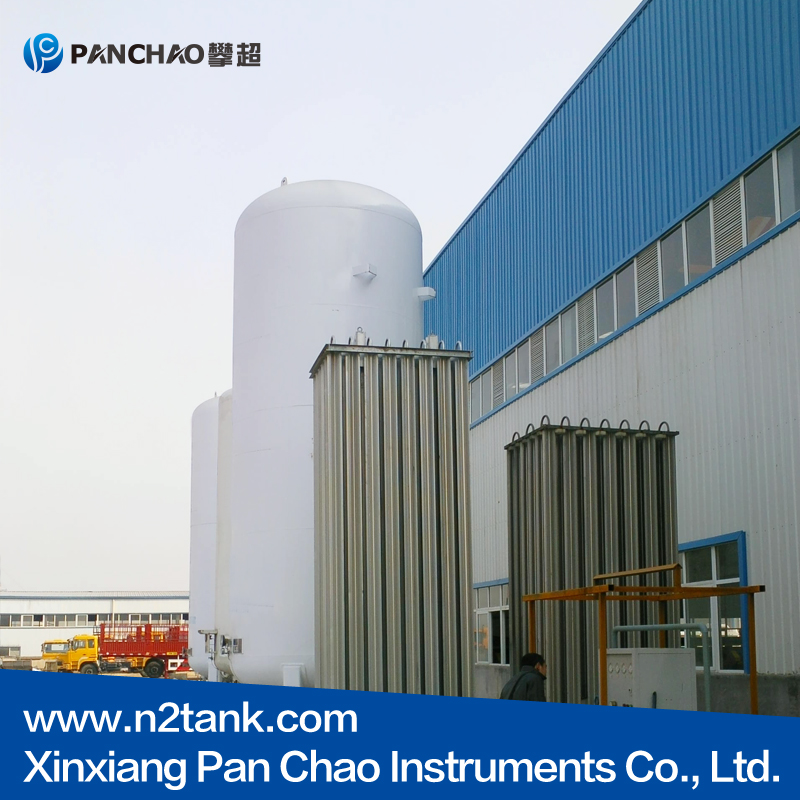
Cryogenic Liquid Tanks are available in vertical or horizonta...[more]
- 5New double Vertical cryogenic L
Cryogenic Liquid Tanks are available in vertical or horizonta...[more]
Rankings Of Similar Articles
- Why the Vacuum Layer of a Liquid Nitrogen Tank Cannot Be Repa
- Why Portable Liquid Nitrogen Tanks Place Higher Demands on Va
- The Cooling Principle of Liquid Nitrogen Tanks: Why Can They
- Why Does a Narrower Neck Improve the Insulation of a Liquid N
- Why Doesn’t a Liquid Nitrogen Tank Freeze? The Science Behi
- Why Do Some Liquid Nitrogen Tanks Last Only 5 Years While Oth
- Why does the liquid nitrogen tank need to be vacuumed regular
- Structural analysis of liquid nitrogen tank: why is double-la
- Structural analysis of liquid nitrogen tank: why is double-la
- What is the difference between liquid nitrogen tanks and ordi
Latest Information
- How to Understand the Static Evaporation Rate of a Liquid Nit
- Aluminum Alloy vs. Stainless Steel Liquid Nitrogen Tanks: Adv
- The Cooling Principle of Liquid Nitrogen Tanks: How Do They M
- The Vacuum Layer in Liquid Nitrogen Tanks: Invisible but Esse
- Holiday Notice
- Storage Environment Requirements for Liquid Nitrogen Tanks: T
- Hot sale thawing cup
- Storage of liquid nitrogen tank
- Application of liquid nitrogen tank in heat treatment field
- Liquid nitrogen tank for nitrogen station
