
Usage Limitations of Liquid Nitrogen Tanks in High-Temperature Environments
Liquid nitrogen tanks are designed to maintain ultra-low temperatures through high-efficiency insulation, but high ambient temperatures place clear limits on their safe and economical use. Understanding these limitations is essential for protecting both the tank and its contents.
The most immediate impact of high-temperature environments is accelerated evaporation of liquid nitrogen. As ambient temperature rises, the temperature difference between the tank interior (−196 °C) and the surroundings increases, driving more heat into the tank. Even with a high-quality vacuum layer, evaporation rates increase noticeably, leading to shorter holding times and more frequent refilling.
High temperatures also put additional stress on the vacuum insulation system. Prolonged exposure to heat can accelerate outgassing from internal materials, increasing residual gas pressure in the vacuum layer. Over time, this degrades insulation performance and may lead to irreversible vacuum loss.
Another limitation involves seal and gasket materials. Components such as O-rings and lid seals are typically exposed to ambient conditions rather than cryogenic temperatures. In high-temperature environments, these materials may age faster, lose elasticity, or crack, resulting in poor sealing and increased heat ingress.
Structural materials are also affected. Thermal expansion of the outer shell in hot environments can introduce additional mechanical stress at welds, neck tubes, and support points. Repeated thermal cycling between hot ambient conditions and cryogenic internal temperatures increases fatigue risk, especially in portable tanks that are frequently moved.
Safety considerations become more critical as well. In hot environments, nitrogen evaporation rates increase, producing larger volumes of nitrogen gas. Without adequate ventilation, this can create an oxygen-deficient atmosphere, posing a serious hazard to personnel.
For these reasons, most manufacturers specify maximum recommended ambient operating temperatures, often around 40 °C. Exceeding these limits does not cause immediate failure but significantly shortens service life and increases operating costs.
In practice, liquid nitrogen tanks used in high-temperature environments should be placed in shaded, well-ventilated areas, protected from direct sunlight, and monitored more frequently for evaporation rate changes.
In summary, high ambient temperatures limit liquid nitrogen tank performance by increasing evaporation, accelerating insulation and seal aging, raising structural stress, and increasing safety risks. Operating within specified temperature ranges is essential for safe, efficient, and long-term use.
Relevant Information
- Why Concentricity Between the Inner and Outer Vessels of a Liquid Nitrogen Tank
- What Does an Abnormally High Liquid Nitrogen Refilling Frequency Indicate?
- Why the Vacuum Layer of a Liquid Nitrogen Tank Cannot Be Repaired On-Site
- Why Portable Liquid Nitrogen Tanks Place Higher Demands on Vacuum Technology
- The Fundamental Reasons Behind Performance Degradation in Liquid Nitrogen Tanks
- How to Understand the Static Evaporation Rate of a Liquid Nitrogen Tank
- How to Understand the Static Evaporation Rate of a Liquid Nitrogen Tank
- How the Outer Shell Material of a Liquid Nitrogen Tank Affects Its Overall Serv
- Application Comparison of Liquid Nitrogen Tanks by Capacity
- How Neck Tube Length Affects Evaporation Loss in Liquid Nitrogen Tanks

Latest Products
- 110m3 double wall cryogenic Liqu
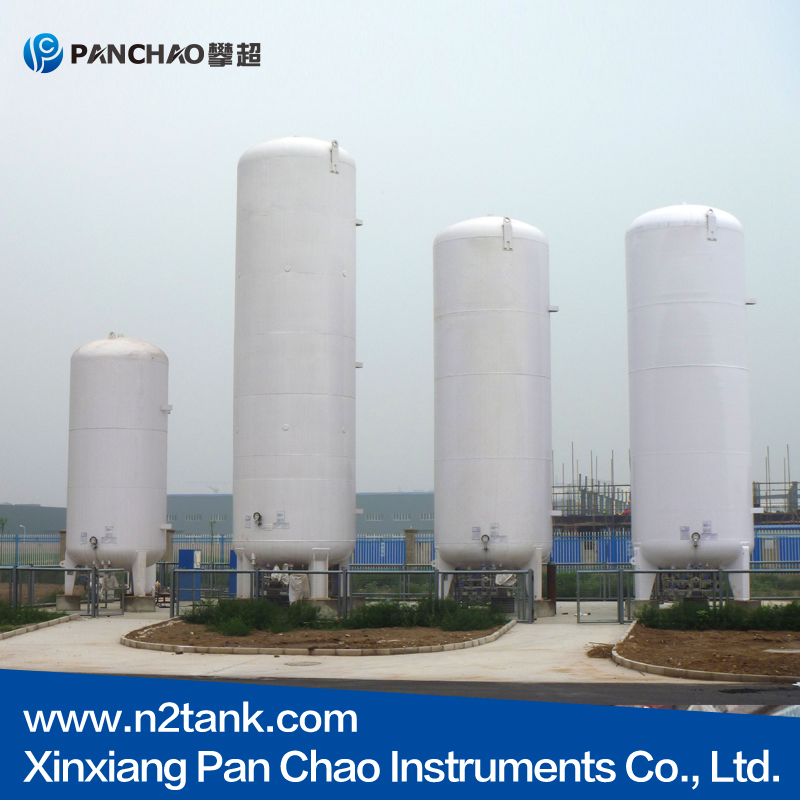
Cryogenic Liquid Tanks are available in vertical or horizonta...[more]
- 2vertical stainless steel pressu
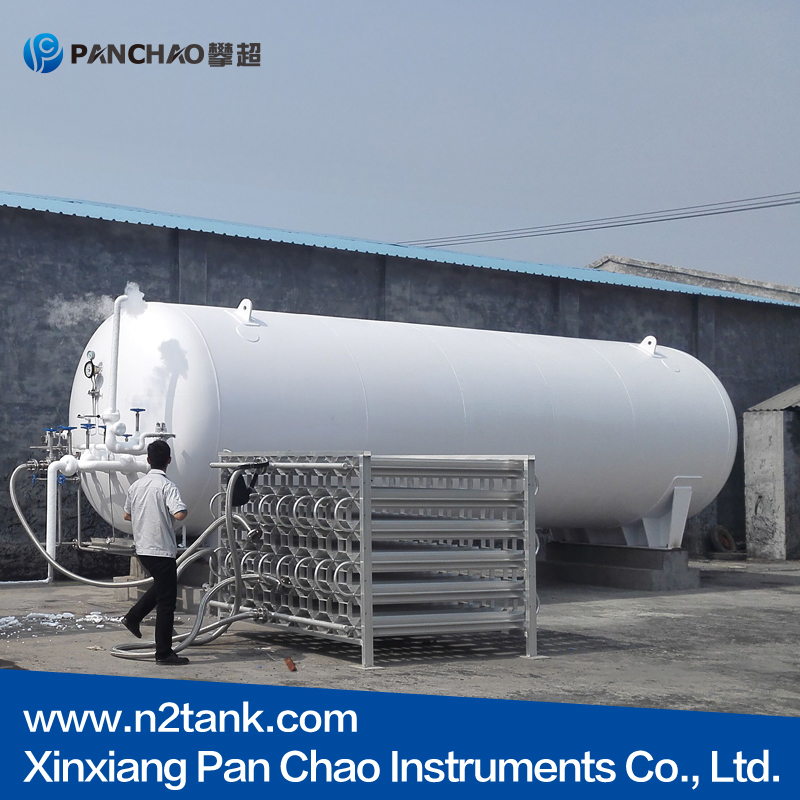
Cryogenic Liquid Tanks are available in vertical or horizonta...[more]
- 310 cubic meters cryogenic Liqui
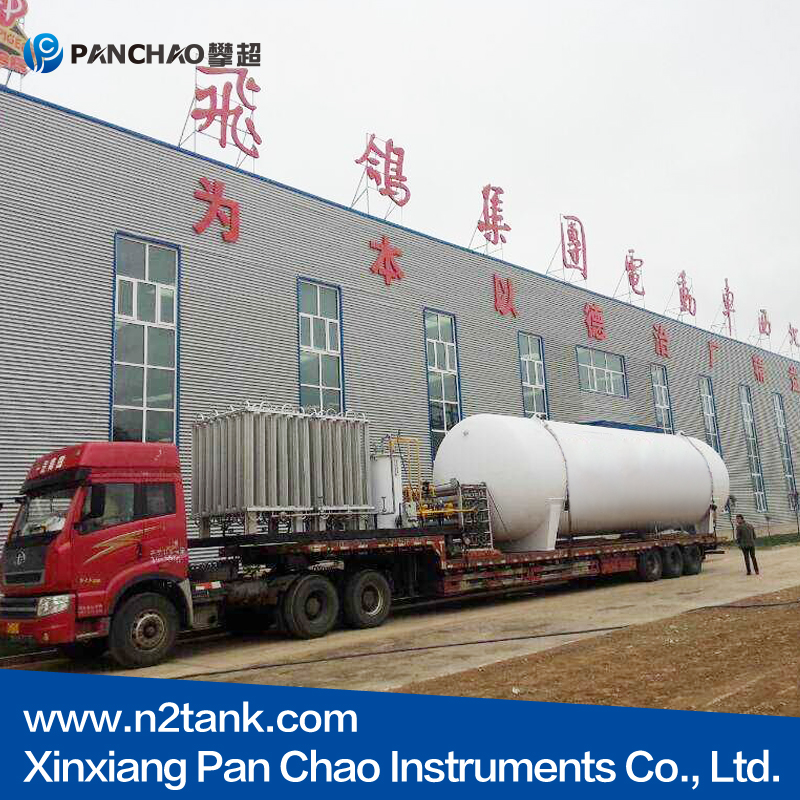
Cryogenic Liquid Tanks are available in vertical or horizonta...[more]
- 4GB150 pressure vessels cryogeni
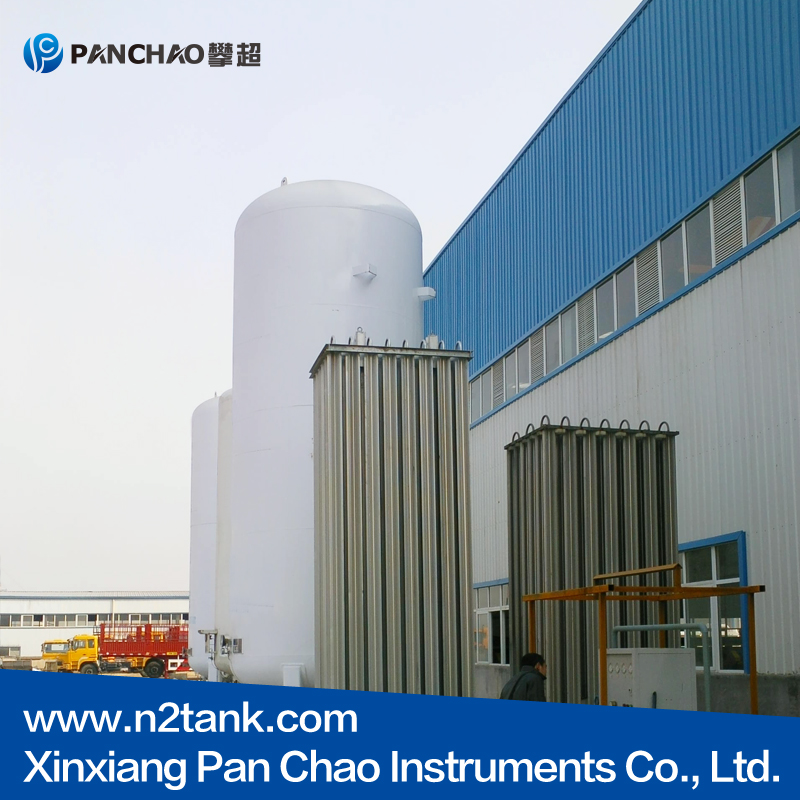
Cryogenic Liquid Tanks are available in vertical or horizonta...[more]
- 5New double Vertical cryogenic L
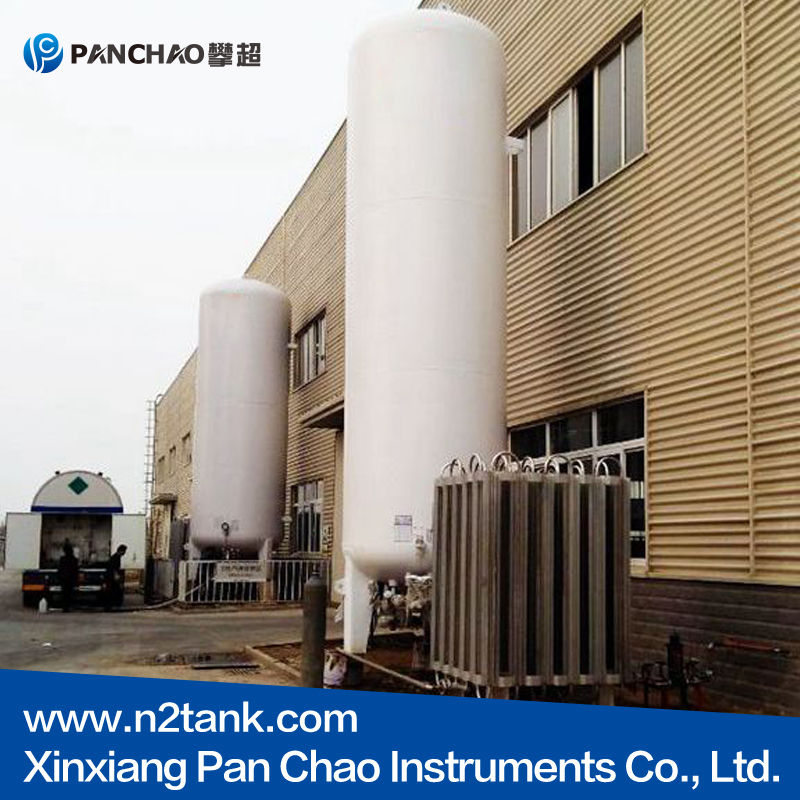
Cryogenic Liquid Tanks are available in vertical or horizonta...[more]
Rankings Of Similar Articles
- Why Concentricity Between the Inner and Outer Vessels of a Li
- What Does an Abnormally High Liquid Nitrogen Refilling Freque
- Why the Vacuum Layer of a Liquid Nitrogen Tank Cannot Be Repa
- Why Portable Liquid Nitrogen Tanks Place Higher Demands on Va
- The Fundamental Reasons Behind Performance Degradation in Liq
- How to Understand the Static Evaporation Rate of a Liquid Nit
- How to Understand the Static Evaporation Rate of a Liquid Nit
- How the Outer Shell Material of a Liquid Nitrogen Tank Affect
- Application Comparison of Liquid Nitrogen Tanks by Capacity
- How Neck Tube Length Affects Evaporation Loss in Liquid Nitro
Latest Information
- How to Understand the Static Evaporation Rate of a Liquid Nit
- Aluminum Alloy vs. Stainless Steel Liquid Nitrogen Tanks: Adv
- The Cooling Principle of Liquid Nitrogen Tanks: How Do They M
- The Vacuum Layer in Liquid Nitrogen Tanks: Invisible but Esse
- Holiday Notice
- Storage Environment Requirements for Liquid Nitrogen Tanks: T
- Hot sale thawing cup
- Storage of liquid nitrogen tank
- Application of liquid nitrogen tank in heat treatment field
- Liquid nitrogen tank for nitrogen station
