
Analysis of How Storage Environment Affects the Service Life of Liquid Nitrogen Tanks
The service life of a liquid nitrogen tank is not determined solely by manufacturing quality. The storage environment plays a decisive role in how long the tank can maintain insulation performance, structural integrity, and stable evaporation rates. Even a high-quality tank can experience premature degradation if stored under unfavorable conditions.
1. Ambient Temperature
Ambient temperature directly affects heat transfer. Continuous exposure to high temperatures increases nitrogen evaporation and accelerates aging of seals and structural components. Over time, higher thermal load can speed up vacuum degradation. Storing tanks in cool, shaded areas significantly reduces long-term stress on insulation systems.
2. Ventilation Conditions
Liquid nitrogen naturally evaporates into nitrogen gas. In poorly ventilated spaces, gas accumulation can create oxygen-deficient environments, posing safety risks. While ventilation primarily concerns safety, it also indirectly affects equipment life—confined spaces often retain heat, increasing ambient temperature around the tank.
3. Humidity and Moisture Exposure
High humidity environments promote condensation around the neck opening. Moisture can freeze during operation, forming ice buildup that increases heat conduction and stresses the neck tube. Long-term moisture exposure may also accelerate corrosion of external metal components.
4. Exposure to Sunlight or Heat Sources
Direct sunlight significantly raises surface temperature, increasing internal thermal gradients. Repeated heating and cooling cycles place additional mechanical stress on welds, the neck tube, and support structures. This shortens structural fatigue life and may affect vacuum retention.
5. Mechanical Vibration and Impact
Storing tanks near heavy machinery or in areas with constant vibration can gradually weaken internal supports and weld joints. Since the vacuum layer depends on structural stability, prolonged vibration increases the risk of micro-leaks and insulation failure.
6. Cleanliness and Chemical Environment
Corrosive atmospheres, chemical vapors, or dusty industrial environments can damage external coatings and seals. Over time, corrosion compromises structural strength and protective finishes.
In summary, temperature, ventilation, humidity, sunlight exposure, vibration, and chemical atmosphere all influence the service life of liquid nitrogen tanks. Proper storage in a cool, dry, well-ventilated, and stable environment is essential to preserve insulation performance and maximize long-term reliability.
Relevant Information
- Which Cryogenic Biological Samples Are Suitable for Storage in Liquid Nitrogen
- How Is the Design Service Life of a Liquid Nitrogen Tank Determined?
- How to Understand the Static Evaporation Rate of a Liquid Nitrogen Tank
- How to Understand the Static Evaporation Rate of a Liquid Nitrogen Tank
- How the Outer Shell Material of a Liquid Nitrogen Tank Affects Its Overall Serv
- How Neck Tube Length Affects Evaporation Loss in Liquid Nitrogen Tanks
- How to Maintain a Liquid Nitrogen Tank During Long-Term Inactivity
- How to Determine Whether a Liquid Nitrogen Tank Needs Replacement: Professional
- The Critical Role of Liquid Nitrogen Tanks in Frozen Semen Storage for the Live
- How Is the Vacuum Layer in a Liquid Nitrogen Tank Manufactured?

Latest Products
- 110m3 double wall cryogenic Liqu
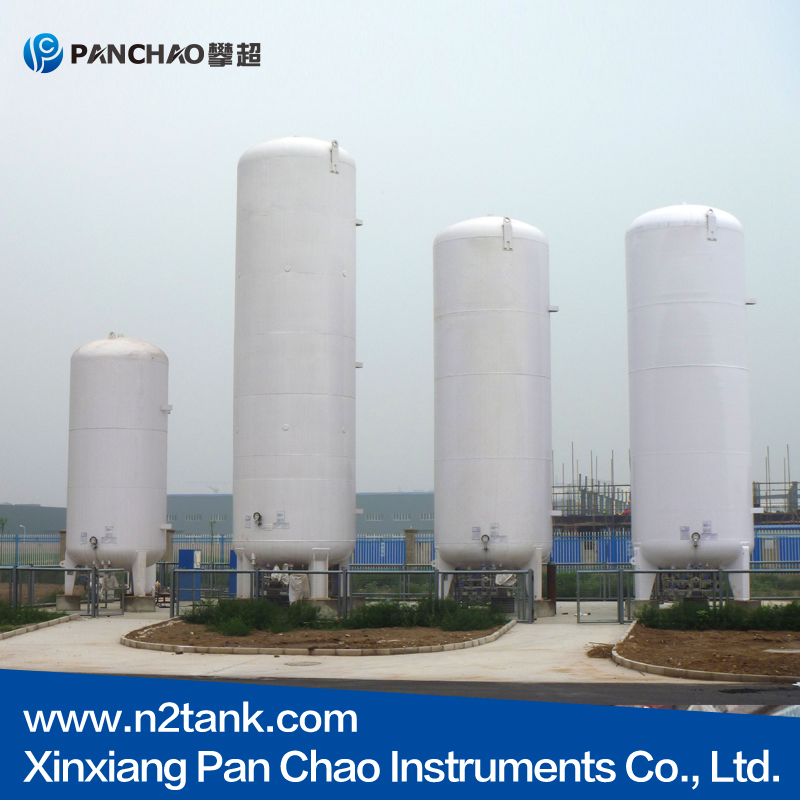
Cryogenic Liquid Tanks are available in vertical or horizonta...[more]
- 2vertical stainless steel pressu
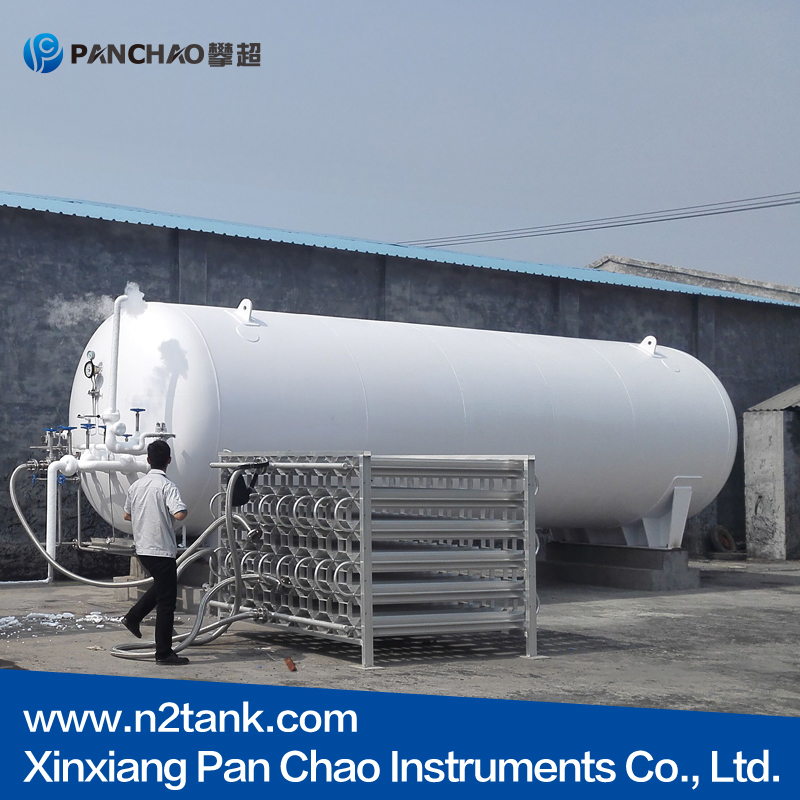
Cryogenic Liquid Tanks are available in vertical or horizonta...[more]
- 310 cubic meters cryogenic Liqui
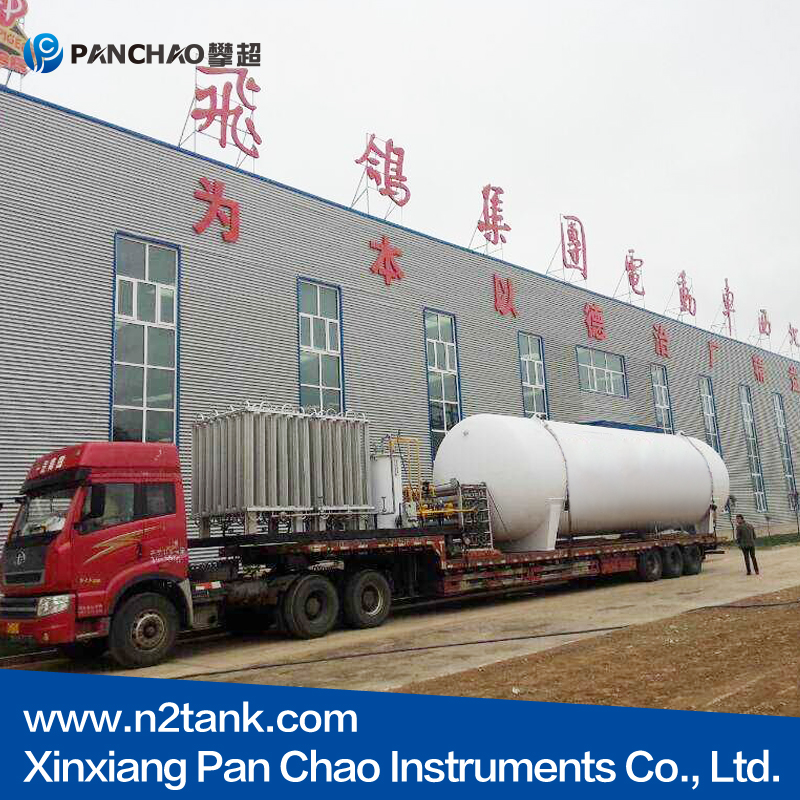
Cryogenic Liquid Tanks are available in vertical or horizonta...[more]
- 4GB150 pressure vessels cryogeni
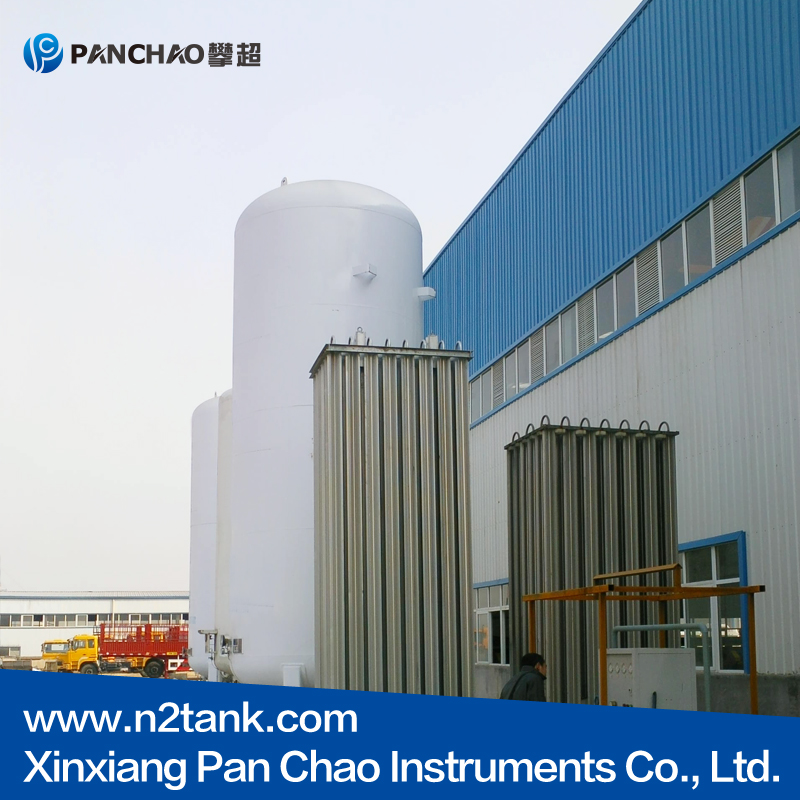
Cryogenic Liquid Tanks are available in vertical or horizonta...[more]
- 5New double Vertical cryogenic L
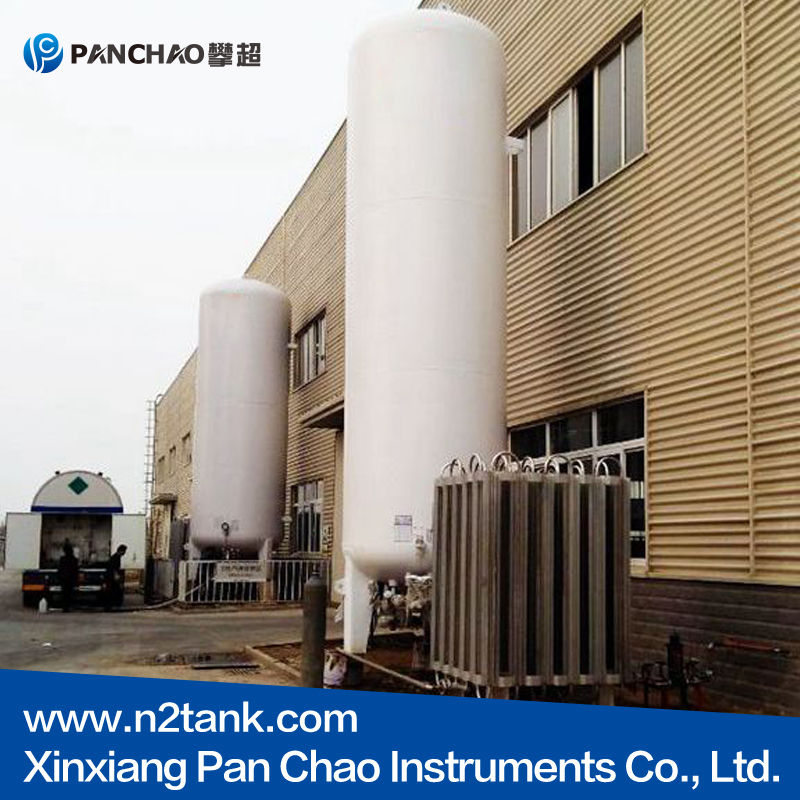
Cryogenic Liquid Tanks are available in vertical or horizonta...[more]
Rankings Of Similar Articles
- Which Cryogenic Biological Samples Are Suitable for Storage i
- How Is the Design Service Life of a Liquid Nitrogen Tank Dete
- How to Understand the Static Evaporation Rate of a Liquid Nit
- How to Understand the Static Evaporation Rate of a Liquid Nit
- How the Outer Shell Material of a Liquid Nitrogen Tank Affect
- How Neck Tube Length Affects Evaporation Loss in Liquid Nitro
- How to Maintain a Liquid Nitrogen Tank During Long-Term Inact
- How to Determine Whether a Liquid Nitrogen Tank Needs Replace
- The Critical Role of Liquid Nitrogen Tanks in Frozen Semen St
- How Is the Vacuum Layer in a Liquid Nitrogen Tank Manufacture
Latest Information
- Why Liquid Nitrogen Dewars Should Not Be Stored Empty Long-Te
- How to Understand the Static Evaporation Rate of a Liquid Nit
- Aluminum Alloy vs. Stainless Steel Liquid Nitrogen Tanks: Adv
- The Cooling Principle of Liquid Nitrogen Tanks: How Do They M
- The Vacuum Layer in Liquid Nitrogen Tanks: Invisible but Esse
- Holiday Notice
- Storage Environment Requirements for Liquid Nitrogen Tanks: T
- Hot sale thawing cup
- Storage of liquid nitrogen tank
- Application of liquid nitrogen tank in heat treatment field
