
Five Structural Factors Affecting the Insulation Performance of Liquid Nitrogen Containers
Liquid nitrogen containers are designed to maintain ultra-low temperatures (−196°C) for extended periods. Their insulation performance directly determines the evaporation rate and storage efficiency. While materials and manufacturing processes are important, the structural design of the container plays a decisive role. The following five structural factors significantly influence insulation performance:
1. Vacuum Insulation Layer Quality
The core of a liquid nitrogen container is its double-wall vacuum structure. The space between the inner and outer shells is evacuated to minimize heat transfer through convection and conduction. A high-quality, stable vacuum layer greatly reduces thermal leakage and ensures a low static evaporation rate. Any degradation in vacuum quality will directly impact insulation performance.
2. Neck Tube Design
The neck tube is the primary pathway for heat entering the container. Its length, diameter, and material all affect heat transfer. A longer and narrower neck tube reduces thermal conduction, while low-conductivity materials help maintain internal temperature stability. Poor neck design can significantly increase evaporation loss.
3. Inner Vessel Structure
The inner container holds the liquid nitrogen and must maintain structural stability at cryogenic temperatures. A well-designed inner vessel minimizes heat absorption and distributes thermal stress evenly. Smooth surfaces and optimized geometry also help reduce unnecessary heat exchange.
4. Multi-Layer Insulation (MLI)
High-performance containers often include multi-layer insulation materials within the vacuum space. These reflective layers reduce radiative heat transfer, further enhancing insulation efficiency. The number, arrangement, and quality of these layers directly affect overall thermal performance.
5. Lid and Sealing Structure
Although liquid nitrogen containers are not fully sealed, the lid design still plays an important role in controlling heat ingress. A properly fitted lid reduces warm air exchange while allowing safe gas release. Poor sealing structures can lead to excessive evaporation and reduced holding time.
We optimize every structural detail—from vacuum technology to neck tube engineering—to deliver superior insulation performance. Our liquid nitrogen containers are built to ensure lower evaporation rates, longer storage times, and reliable operation in laboratory, medical, and industrial environments.
Precision structure defines performance. Choose a container designed for efficiency and durability.
Relevant Information
- Five Common Operational Mistakes When Using Liquid Nitrogen Tanks
- Five Typical Signs of Vacuum Failure in Liquid Nitrogen Tanks
- How Long Can a Liquid Nitrogen Tank Store? Key Factors Affecting Duration
- Liquid Nitrogen Tank Safety Guidelines: Five Common Misconceptions Explained
- Structural analysis of liquid nitrogen tank: why is double-layer design crucial
- Structural analysis of liquid nitrogen tank: why is double-layer design crucial
- What are the factors affecting semen quality in liquid nitrogen tanks?
- What are the factors affecting liquid nitrogen evaporation
- The factors of evaporation of liquid nitrogen
- What are the factors affecting the evaporation of liquid nitrogen?


Latest Products
- 110m3 double wall cryogenic Liqu
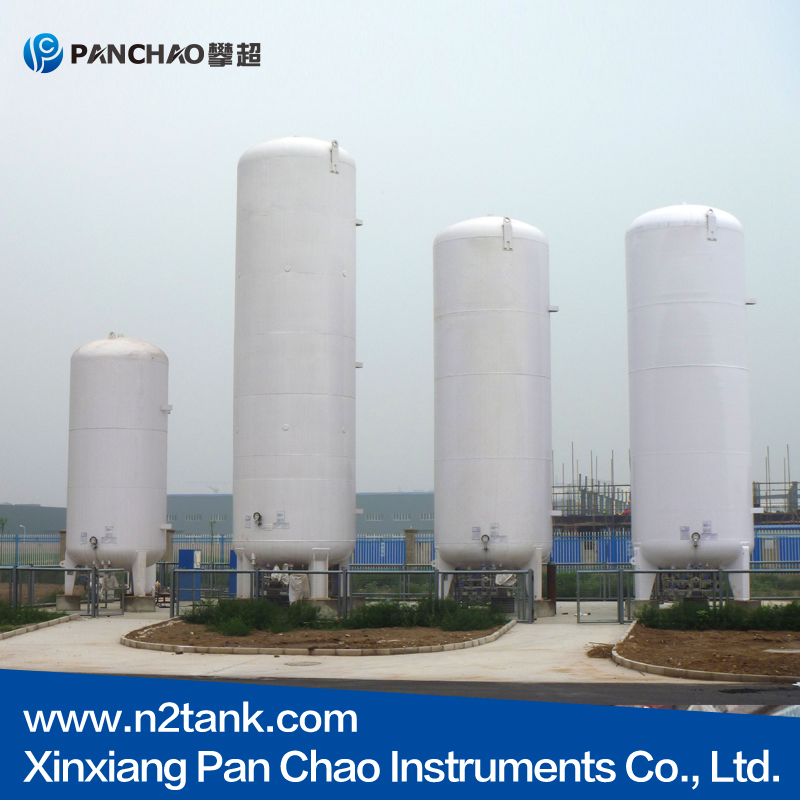
Cryogenic Liquid Tanks are available in vertical or horizonta...[more]
- 2vertical stainless steel pressu
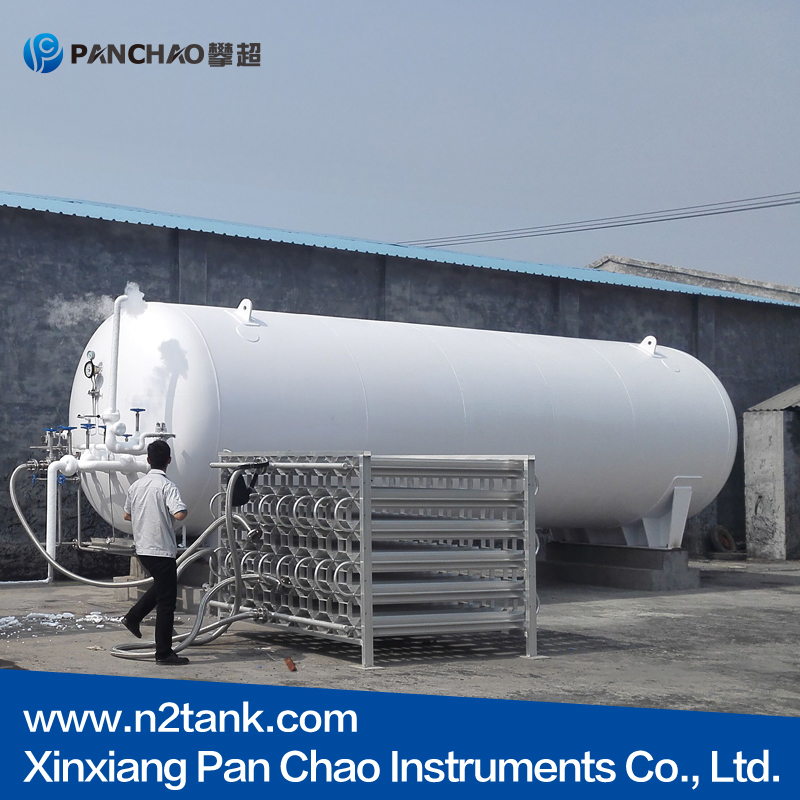
Cryogenic Liquid Tanks are available in vertical or horizonta...[more]
- 310 cubic meters cryogenic Liqui
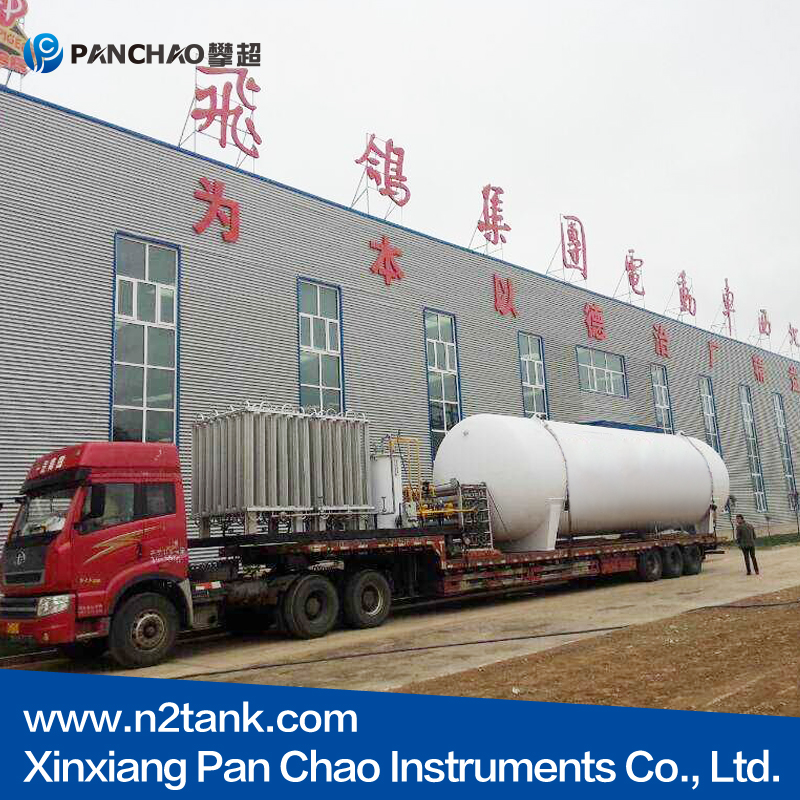
Cryogenic Liquid Tanks are available in vertical or horizonta...[more]
- 4GB150 pressure vessels cryogeni
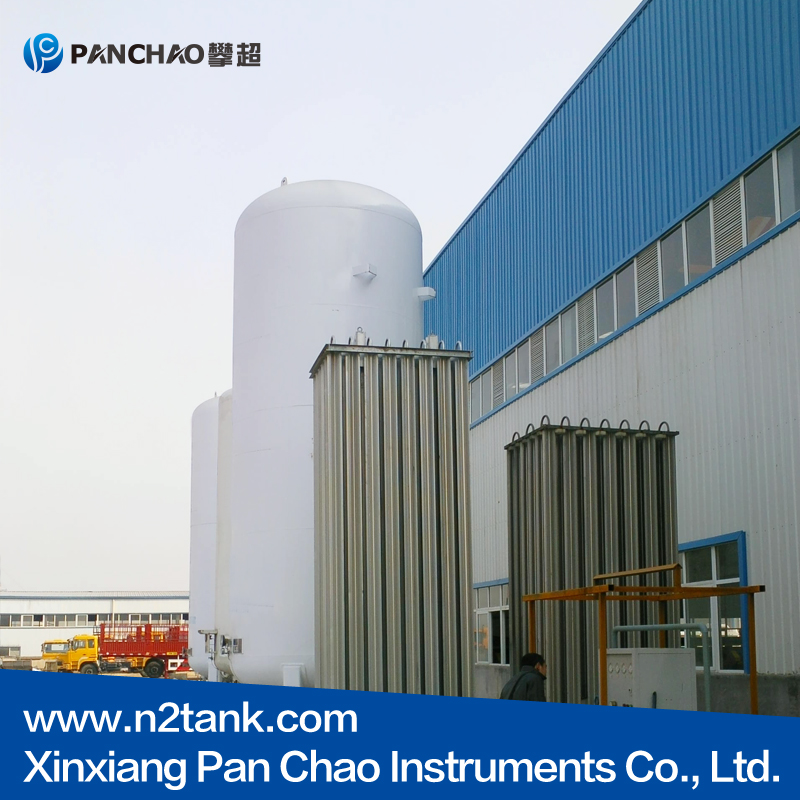
Cryogenic Liquid Tanks are available in vertical or horizonta...[more]
- 5New double Vertical cryogenic L
Cryogenic Liquid Tanks are available in vertical or horizonta...[more]
Rankings Of Similar Articles
- Five Common Operational Mistakes When Using Liquid Nitrogen T
- Five Typical Signs of Vacuum Failure in Liquid Nitrogen Tanks
- How Long Can a Liquid Nitrogen Tank Store? Key Factors Affect
- Liquid Nitrogen Tank Safety Guidelines: Five Common Misconcep
- Structural analysis of liquid nitrogen tank: why is double-la
- Structural analysis of liquid nitrogen tank: why is double-la
- What are the factors affecting semen quality in liquid nitrog
- What are the factors affecting liquid nitrogen evaporation
- The factors of evaporation of liquid nitrogen
- What are the factors affecting the evaporation of liquid nitr
Latest Information
- Does Frost on the Outside of a Liquid Nitrogen Tank Always In
- Why Liquid Nitrogen Dewars Should Not Be Stored Empty Long-Te
- How to Understand the Static Evaporation Rate of a Liquid Nit
- Aluminum Alloy vs. Stainless Steel Liquid Nitrogen Tanks: Adv
- The Cooling Principle of Liquid Nitrogen Tanks: How Do They M
- The Vacuum Layer in Liquid Nitrogen Tanks: Invisible but Esse
- Holiday Notice
- Storage Environment Requirements for Liquid Nitrogen Tanks: T
- Hot sale thawing cup
- Storage of liquid nitrogen tank
