
Why Are Liquid Nitrogen Tanks Made of Aerospace-Grade Aluminum?
Liquid nitrogen tanks face one of the most demanding engineering challenges: maintaining a stable -196°C environment while remaining portable, durable, and safe for everyday use. The choice of aerospace-grade aluminum as the primary material is no accident. It delivers a unique combination of properties that ordinary metals simply cannot match.
Lightweight Strength
The most obvious advantage of aerospace-grade aluminum is its exceptional strength-to-weight ratio. Tanks made from 6061-T6 aluminum remain remarkably light while providing excellent structural integrity. A typical 50-liter tank weighs only about 15 kilograms when empty, significantly less than a comparable stainless steel vessel would weigh.
This lightweight construction matters tremendously for laboratory technicians who move tanks daily, for field researchers transporting samples across remote locations, and for medical professionals shuttling between facilities. When every kilogram counts during transport or routine handling, this difference is substantial.
Durability at Extreme Temperatures
Ordinary metals become brittle and fracture when exposed to liquid nitrogen's extreme cold. This low-temperature embrittlement can cause catastrophic failure in standard aluminum or steel. Aerospace-grade aluminum maintains its ductility and structural integrity even at -196°C, absorbing impacts without shattering.
The material also naturally develops an aluminum oxide layer on its surface. This oxide layer provides excellent corrosion resistance without requiring additional coatings or treatments. For equipment that constantly cycles between extreme cold and room temperature, where condensation and moisture are unavoidable, this inherent protection is invaluable.
Superior Thermal Performance
Aerospace aluminum's thermal properties complement the tank's vacuum insulation system. The material ensures consistent temperature distribution throughout the inner vessel, eliminating hot spots that could accelerate LN₂ evaporation. When combined with multi-layer insulation and high vacuum maintained at 10⁻⁴ Pa or lower, the result is static evaporation rates as low as 0.23 liters per day for well-designed tanks.
Extended Service Life
Manufacturers consistently offer five-year or longer warranties on aerospace aluminum tanks. The material resists fatigue from repeated thermal cycling, withstands the inevitable bumps of daily laboratory use, and maintains its vacuum integrity far longer than lesser materials. Some quality tanks achieve static holding periods beyond 200 days on a single fill.
The Bottom Line
Aerospace-grade aluminum combines three critical attributes. It is light enough for true portability. It is strong enough to withstand daily handling and transport. And it is durable enough to maintain its properties at -196°C for years of reliable service. These characteristics make it the ideal material for protecting priceless biological samples, whether in a busy research laboratory or on a transoceanic flight. For liquid nitrogen storage, aerospace aluminum is not just a good choice. It is the right choice.
Relevant Information
- Can a Liquid Nitrogen Tank Still Be Used After Its Exterior Is Dented?
- How Weld Quality Affects Liquid Nitrogen Tank Service Life
- Why Does Vacuum Degree Determine LN₂ Tank Thermal Performance?
- Is Thicker Aluminum Always Better for Liquid Nitrogen Containers?
- How to Establish a Standardized Liquid Nitrogen Container Management System in
- How Improper Cleaning of a Liquid Nitrogen Container Can Cause Problems
- How to Reduce the Daily Operating Cost of Liquid Nitrogen Containers
- Application Details of Liquid Nitrogen Containers in Vaccine Cold Chain Systems
- Is a Safety Valve Necessary for a Liquid Nitrogen Container?
- Does the Seal Ring of a Liquid Nitrogen Container Need Replacement?
Latest Products
- 110m3 double wall cryogenic Liqu
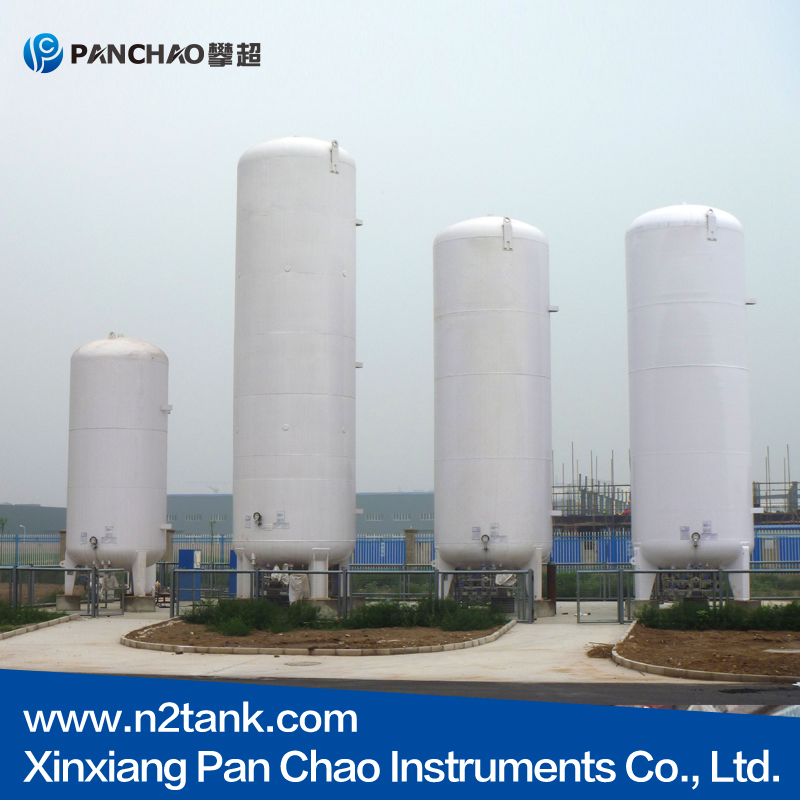
Cryogenic Liquid Tanks are available in vertical or horizonta...[more]
- 2vertical stainless steel pressu
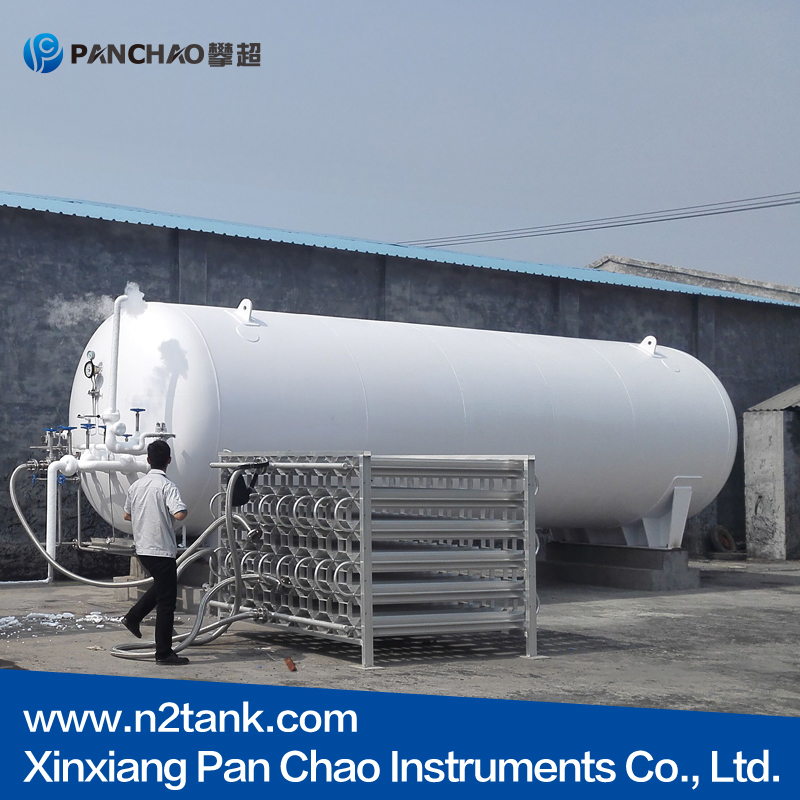
Cryogenic Liquid Tanks are available in vertical or horizonta...[more]
- 310 cubic meters cryogenic Liqui
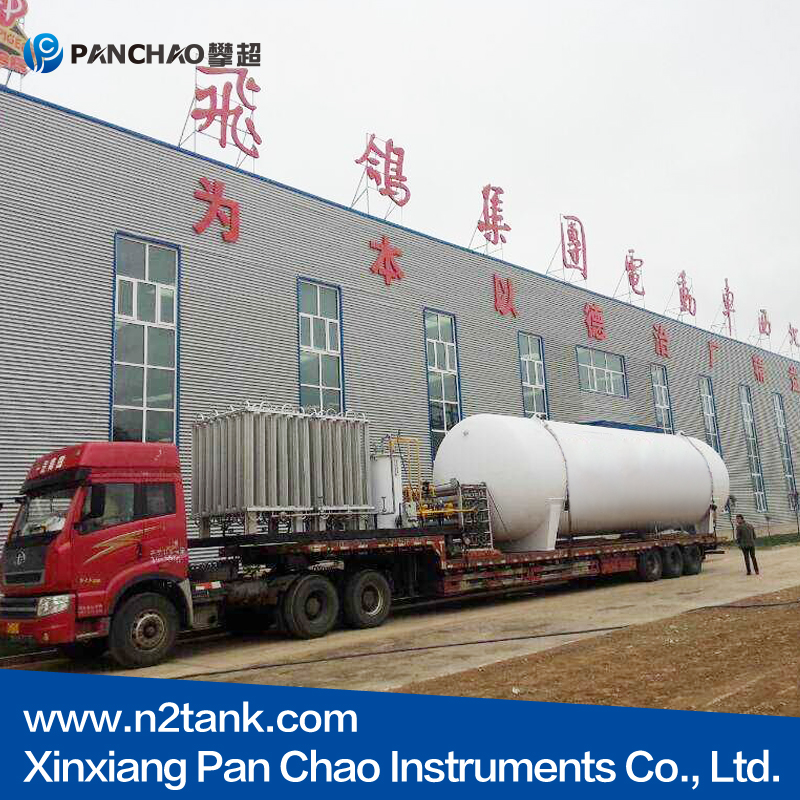
Cryogenic Liquid Tanks are available in vertical or horizonta...[more]
- 4GB150 pressure vessels cryogeni
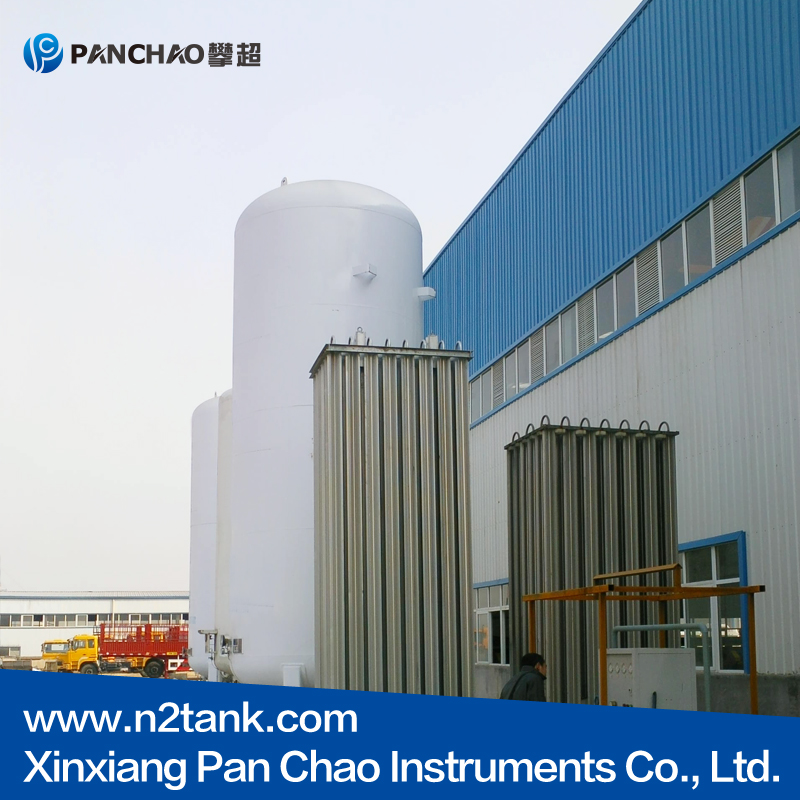
Cryogenic Liquid Tanks are available in vertical or horizonta...[more]
- 5New double Vertical cryogenic L
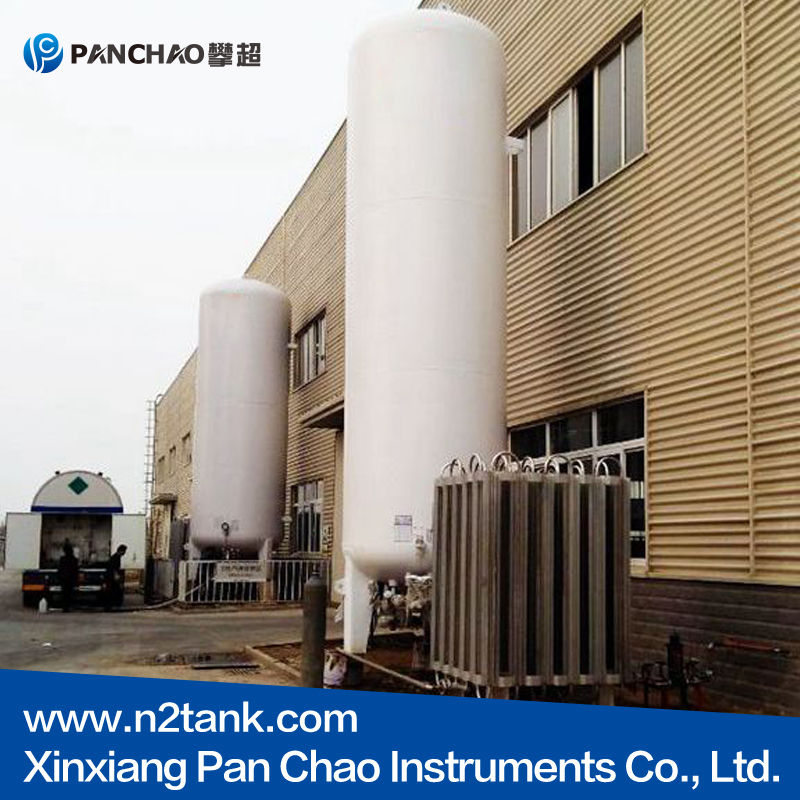
Cryogenic Liquid Tanks are available in vertical or horizonta...[more]
Rankings Of Similar Articles
- Can a Liquid Nitrogen Tank Still Be Used After Its Exterior I
- How Weld Quality Affects Liquid Nitrogen Tank Service Life
- Why Does Vacuum Degree Determine LN₂ Tank Thermal Performan
- Is Thicker Aluminum Always Better for Liquid Nitrogen Contain
- How to Establish a Standardized Liquid Nitrogen Container Man
- How Improper Cleaning of a Liquid Nitrogen Container Can Caus
- How to Reduce the Daily Operating Cost of Liquid Nitrogen Con
- Application Details of Liquid Nitrogen Containers in Vaccine
- Is a Safety Valve Necessary for a Liquid Nitrogen Container?
- Does the Seal Ring of a Liquid Nitrogen Container Need Replac
Latest Information
- Does Frost on the Outside of a Liquid Nitrogen Tank Always In
- Why Liquid Nitrogen Dewars Should Not Be Stored Empty Long-Te
- How to Understand the Static Evaporation Rate of a Liquid Nit
- Aluminum Alloy vs. Stainless Steel Liquid Nitrogen Tanks: Adv
- The Cooling Principle of Liquid Nitrogen Tanks: How Do They M
- The Vacuum Layer in Liquid Nitrogen Tanks: Invisible but Esse
- Holiday Notice
- Storage Environment Requirements for Liquid Nitrogen Tanks: T
- Hot sale thawing cup
- Storage of liquid nitrogen tank
