
Applications of Liquid Nitrogen Tanks in Cell Therapy
Cell therapy represents one of the most promising frontiers in modern medicine, offering treatments for cancers, genetic disorders, and degenerative diseases. At the heart of this revolutionary field lies a critical piece of equipment: the liquid nitrogen tank. Here is how these cryogenic vessels enable the cell therapy revolution.
The Foundation of Cell Preservation
Cell therapy relies on the ability to harvest, process, and store living cells for later use. Whether they are CAR-T cells engineered to attack cancer, stem cells for regenerative medicine, or immune cells for immunotherapy, these living therapies must remain viable until they are administered to patients. Liquid nitrogen tanks provide the ultra-low temperature environment necessary to pause biological activity without killing the cells.
At -196°C, all metabolic processes cease. Cells enter a state of suspended animation, where they can remain viable for years or even decades. This cryogenic preservation is essential for the logistics of cell therapy, allowing for the transportation of cells between manufacturing facilities and treatment centers, and providing the necessary time for quality control testing before patient administration.
Vapor Phase Storage: The Gold Standard
In cell therapy applications, vapor phase storage has become the preferred method. Unlike liquid phase storage where samples are submerged directly in LN₂, vapor phase storage keeps samples in the cold nitrogen gas above the liquid. This approach virtually eliminates the risk of cross-contamination between samples, which is critical when dealing with patient-specific therapies.
Vapor phase storage maintains temperatures below -150°C, which is sufficient for long-term cell preservation while providing an additional margin of safety. Many modern liquid nitrogen tanks are specifically designed for this application, featuring temperature monitoring systems and alarms to ensure stable conditions.
Protecting Patient-Specific Therapies
Cell therapies are typically patient-specific. A single batch of CAR-T cells is manufactured from a patient's own immune cells and cannot be replaced. The loss of such a batch due to storage failure would not only represent a significant financial loss but also a loss of treatment opportunity for the patient. Liquid nitrogen tanks provide the reliable, long-term storage necessary to protect these irreplaceable therapies.
Ensuring Regulatory Compliance
Cell therapy manufacturing is subject to strict regulatory oversight from agencies like the FDA and EMA. These regulations require detailed temperature monitoring, backup systems, and comprehensive documentation to ensure product quality and patient safety. Liquid nitrogen tanks equipped with continuous monitoring and alarm systems help manufacturers meet these requirements.
Scalability and Future Growth
As cell therapies move from clinical trials to commercial products, the demand for cryogenic storage capacity increases. Liquid nitrogen tanks are available in a range of sizes, allowing facilities to scale their storage capacity as their needs grow. This scalability is essential for companies bringing cell therapies to market.
The Bottom Line
Liquid nitrogen tanks are the backbone of the cell therapy industry. They provide the reliable, ultra-low temperature storage required to preserve living cell therapies, ensuring that these revolutionary treatments remain viable until they can be administered to patients. As the cell therapy field continues to grow, the importance of these cryogenic vessels will only increase. Cell therapy would not be possible without the liquid nitrogen tank. It is the silent partner in every life-saving treatment.
Relevant Information
- How Liquid Nitrogen Tanks Preserve Long-Term Viability of Biological Samples
- How to Maintain a Liquid Nitrogen Tank During Idle Periods
- How to Extend the Actual Service Life of a Liquid Nitrogen Tank
- The Importance of Liquid Nitrogen Tank Usage Record Management
- The Importance of Liquid Nitrogen Tank Usage Record Management
- What Is the Appropriate Cleaning and Maintenance Cycle for Liquid Nitrogen Tank
- Long-Term Sample Storage in Liquid Nitrogen Tanks: Key Considerations
- How to Avoid Cross-Contamination of Samples in Liquid Nitrogen Tanks
- Key Details to Pay Attention to When Filling a Liquid Nitrogen Tank
- Essential Checks Before First Use of a Liquid Nitrogen Tank

Latest Products
- 110m3 double wall cryogenic Liqu
Cryogenic Liquid Tanks are available in vertical or horizonta...[more]
- 2vertical stainless steel pressu
Cryogenic Liquid Tanks are available in vertical or horizonta...[more]
- 310 cubic meters cryogenic Liqui
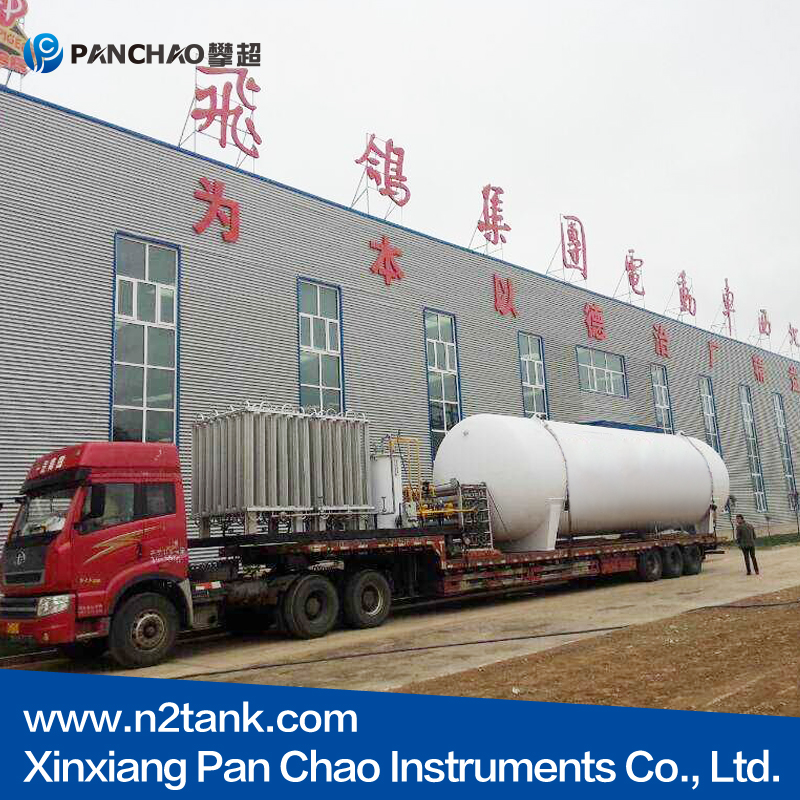
Cryogenic Liquid Tanks are available in vertical or horizonta...[more]
- 4GB150 pressure vessels cryogeni
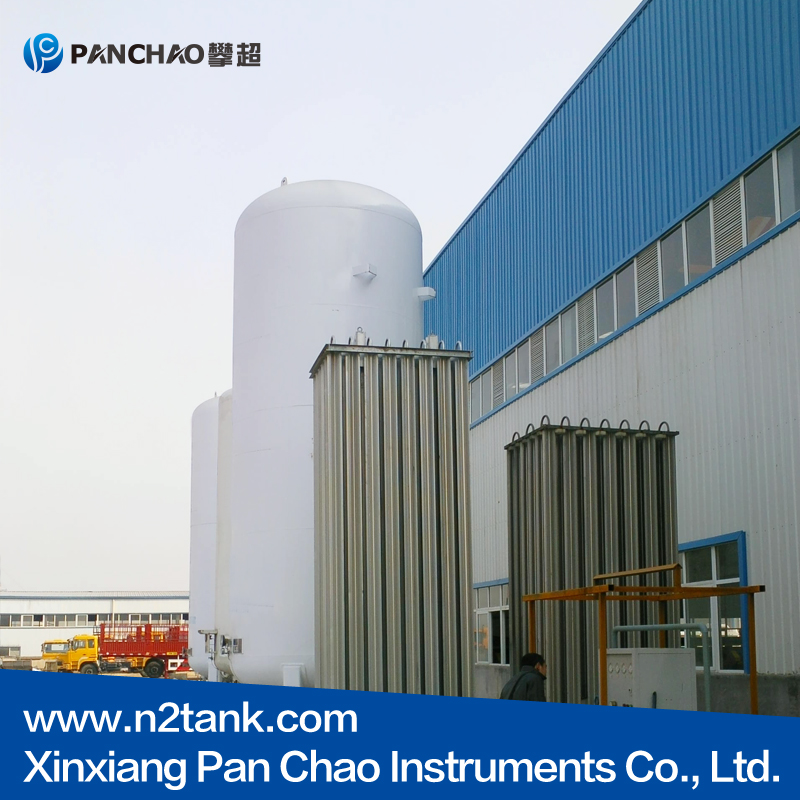
Cryogenic Liquid Tanks are available in vertical or horizonta...[more]
- 5New double Vertical cryogenic L
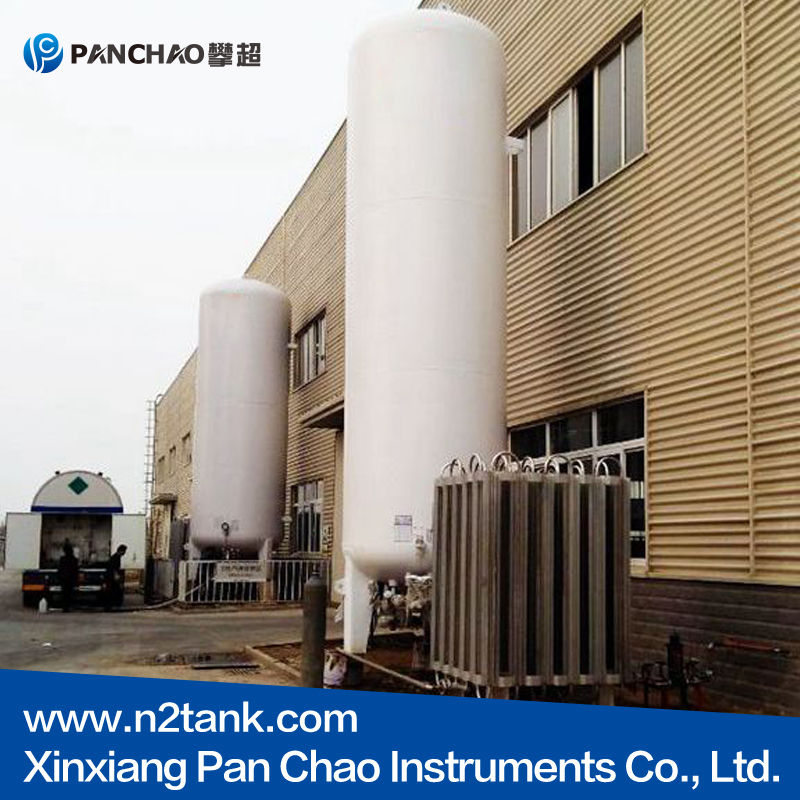
Cryogenic Liquid Tanks are available in vertical or horizonta...[more]
Rankings Of Similar Articles
- How Liquid Nitrogen Tanks Preserve Long-Term Viability of Bio
- How to Maintain a Liquid Nitrogen Tank During Idle Periods
- How to Extend the Actual Service Life of a Liquid Nitrogen Ta
- The Importance of Liquid Nitrogen Tank Usage Record Managemen
- The Importance of Liquid Nitrogen Tank Usage Record Managemen
- What Is the Appropriate Cleaning and Maintenance Cycle for Li
- Long-Term Sample Storage in Liquid Nitrogen Tanks: Key Consid
- How to Avoid Cross-Contamination of Samples in Liquid Nitroge
- Key Details to Pay Attention to When Filling a Liquid Nitroge
- Essential Checks Before First Use of a Liquid Nitrogen Tank
Latest Information
- Does Frost on the Outside of a Liquid Nitrogen Tank Always In
- Why Liquid Nitrogen Dewars Should Not Be Stored Empty Long-Te
- How to Understand the Static Evaporation Rate of a Liquid Nit
- Aluminum Alloy vs. Stainless Steel Liquid Nitrogen Tanks: Adv
- The Cooling Principle of Liquid Nitrogen Tanks: How Do They M
- The Vacuum Layer in Liquid Nitrogen Tanks: Invisible but Esse
- Holiday Notice
- Storage Environment Requirements for Liquid Nitrogen Tanks: T
- Hot sale thawing cup
- Storage of liquid nitrogen tank
