
Difference Between Static Evaporation Rate and Actual Evaporation Rate of Liquid Nitrogen Containers
Liquid nitrogen containers are widely used in laboratories, medical institutions, animal husbandry, and biotechnology fields for the long-term preservation of biological samples. When selecting a container, two important parameters are often mentioned: static evaporation rate and actual evaporation rate. Understanding the difference between these two indicators helps users evaluate container performance more accurately.
The static evaporation rate refers to the rate at which liquid nitrogen naturally evaporates from a container under controlled laboratory conditions. During testing, the container remains unopened and undisturbed in a stable environment with constant temperature and pressure. Because there is no external interference such as lid opening, sample loading, or movement, the evaporation rate measured in this condition represents the ideal insulation performance of the liquid nitrogen container. Manufacturers typically use this value as a technical specification to compare the thermal insulation quality of different models.
In contrast, the actual evaporation rate reflects the liquid nitrogen consumption during real-world use. In daily operations, containers are frequently opened to access samples, exposed to varying ambient temperatures, and sometimes moved between locations. These practical factors allow heat to enter the container more easily, accelerating the evaporation of liquid nitrogen. As a result, the actual evaporation rate is usually higher than the static evaporation rate.
Several factors influence the actual evaporation rate, including the frequency of lid opening, surrounding temperature, storage method, and whether racks or canisters are frequently removed. Proper handling and storage practices can effectively reduce unnecessary evaporation and extend the holding time of liquid nitrogen.
At Zhongpanxin, our liquid nitrogen containers are designed with advanced vacuum insulation technology and strict quality control standards. This ensures excellent static performance while maintaining reliable efficiency in real working conditions. By understanding both evaporation indicators, users can choose the most suitable liquid nitrogen container and optimize sample preservation safety.
Reliable storage begins with reliable technology. Choose a liquid nitrogen container that delivers stable performance both in the lab and in everyday use.
Relevant Information
- Design Differences Between Laboratory and Transport Liquid Nitrogen Tanks
- Why Concentricity Between the Inner and Outer Vessels of a Liquid Nitrogen Tank
- How to Understand the Static Evaporation Rate of a Liquid Nitrogen Tank
- How to Understand the Static Evaporation Rate of a Liquid Nitrogen Tank
- How Is the Static Holding Time of a Liquid Nitrogen Tank Calculated?
- How is the static shelf life of liquid nitrogen tanks calculated?
- How to Measure Liquid Nitrogen Tank Insulation Time: A Detailed Look at Static
- Storage Environment Requirements for Liquid Nitrogen Tanks: The Role of Ventila
- What is the difference between liquid nitrogen tanks and ordinary tanks?

Latest Products
- 110m3 double wall cryogenic Liqu
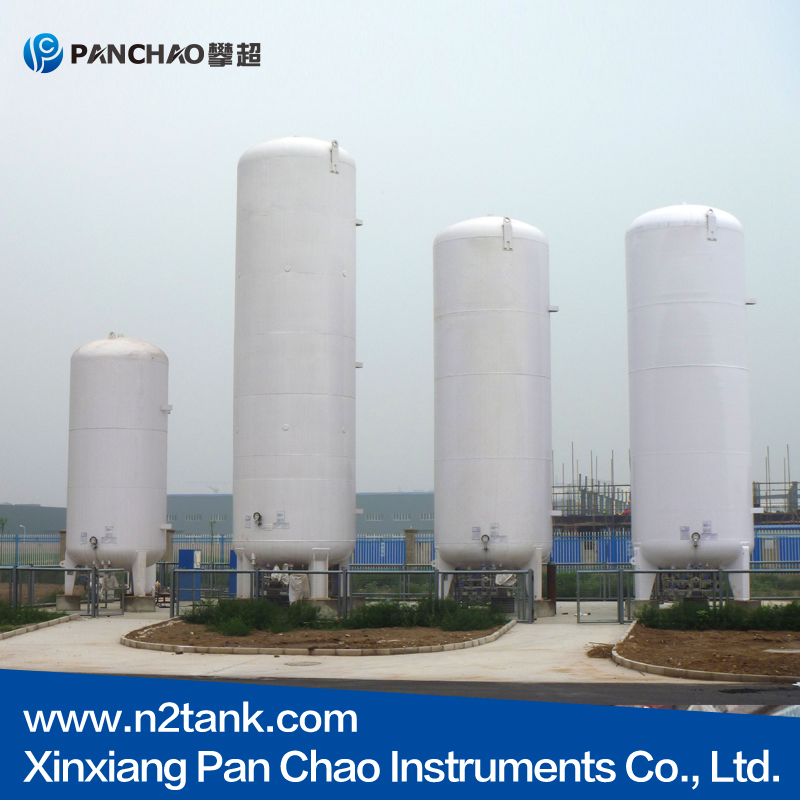
Cryogenic Liquid Tanks are available in vertical or horizonta...[more]
- 2vertical stainless steel pressu
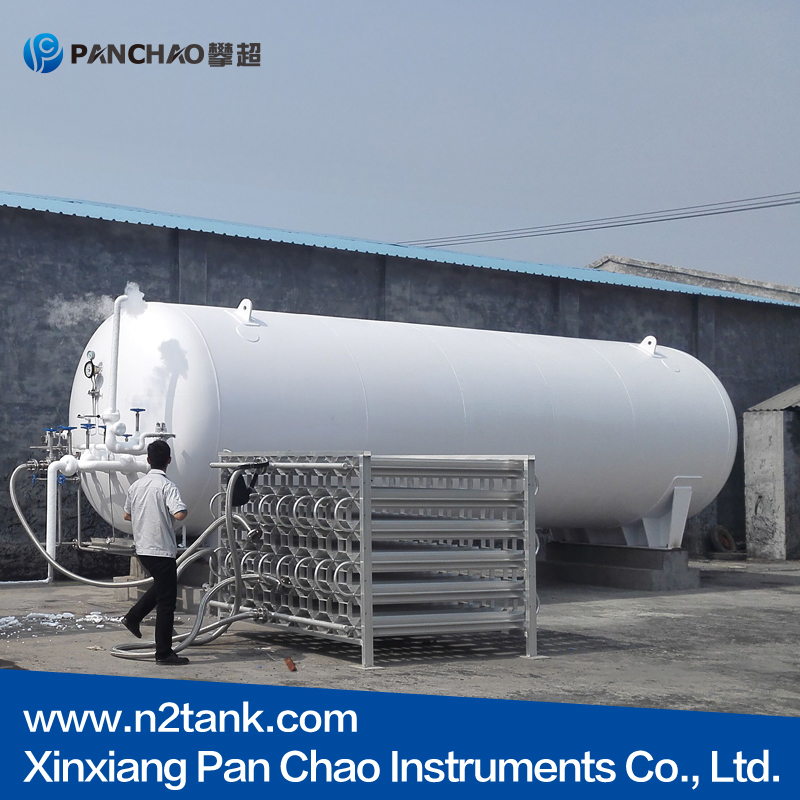
Cryogenic Liquid Tanks are available in vertical or horizonta...[more]
- 310 cubic meters cryogenic Liqui
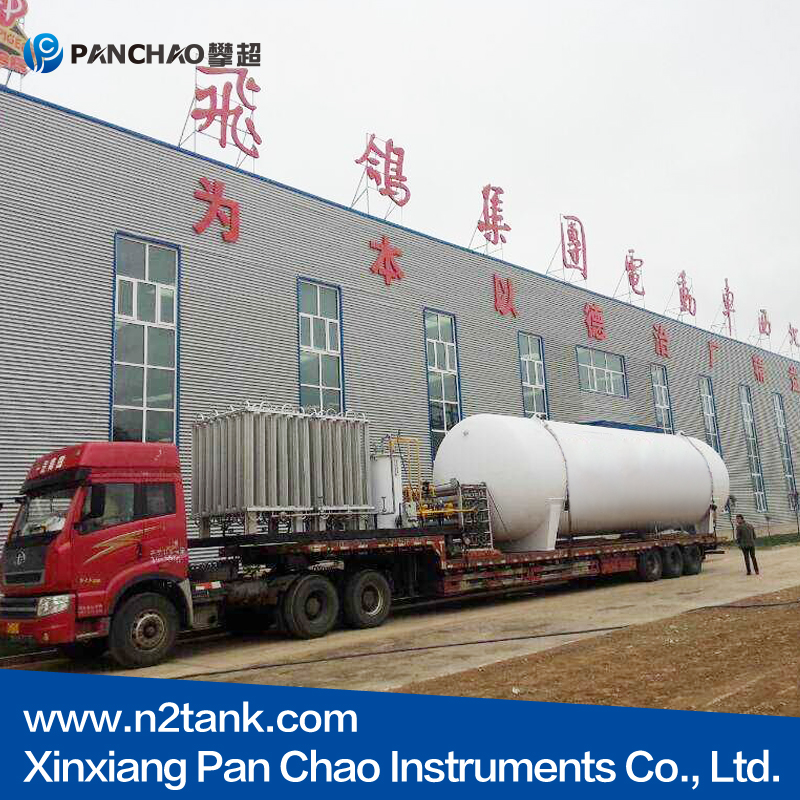
Cryogenic Liquid Tanks are available in vertical or horizonta...[more]
- 4GB150 pressure vessels cryogeni
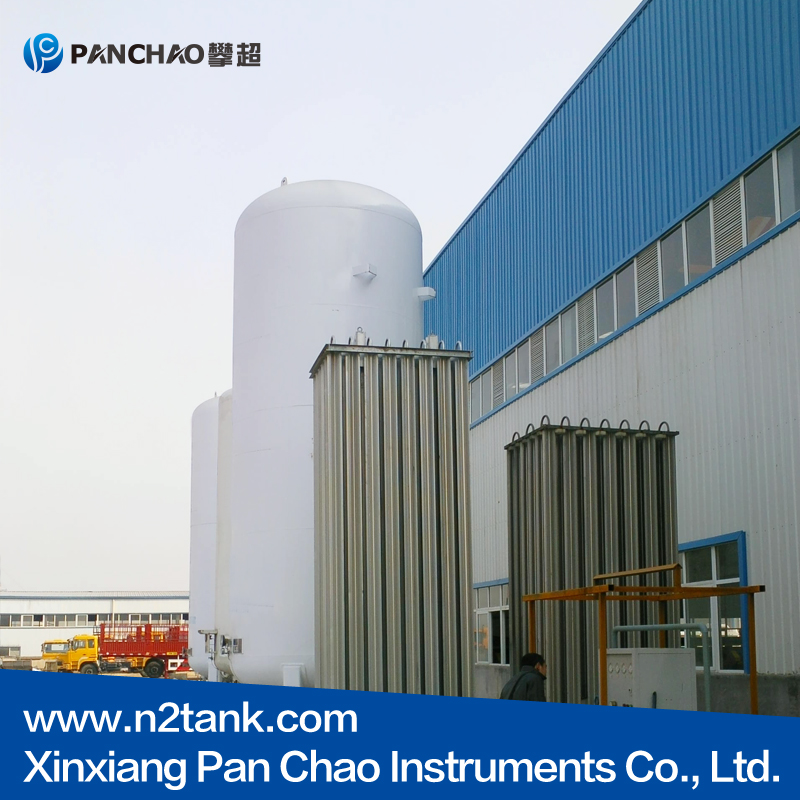
Cryogenic Liquid Tanks are available in vertical or horizonta...[more]
- 5New double Vertical cryogenic L
Cryogenic Liquid Tanks are available in vertical or horizonta...[more]
Rankings Of Similar Articles
- Design Differences Between Laboratory and Transport Liquid Ni
- Why Concentricity Between the Inner and Outer Vessels of a Li
- How to Understand the Static Evaporation Rate of a Liquid Nit
- How to Understand the Static Evaporation Rate of a Liquid Nit
- How Is the Static Holding Time of a Liquid Nitrogen Tank Calc
- How is the static shelf life of liquid nitrogen tanks calcula
- How to Measure Liquid Nitrogen Tank Insulation Time: A Detail
- Storage Environment Requirements for Liquid Nitrogen Tanks: T
- What is the difference between liquid nitrogen tanks and ordi
Latest Information
- Does Frost on the Outside of a Liquid Nitrogen Tank Always In
- Why Liquid Nitrogen Dewars Should Not Be Stored Empty Long-Te
- How to Understand the Static Evaporation Rate of a Liquid Nit
- Aluminum Alloy vs. Stainless Steel Liquid Nitrogen Tanks: Adv
- The Cooling Principle of Liquid Nitrogen Tanks: How Do They M
- The Vacuum Layer in Liquid Nitrogen Tanks: Invisible but Esse
- Holiday Notice
- Storage Environment Requirements for Liquid Nitrogen Tanks: T
- Hot sale thawing cup
- Storage of liquid nitrogen tank
