
How to Evaluate Liquid Nitrogen Container Performance Through Evaporation Rate
The evaporation rate is one of the most direct indicators of a liquid nitrogen container’s performance. Because liquid nitrogen naturally boils at −196°C, a certain level of evaporation is normal. However, changes in evaporation rate over time can reveal whether the container is operating properly or developing issues.
The first step is understanding the baseline (static evaporation rate). Manufacturers typically provide a standard evaporation rate measured under controlled conditions. This value serves as a reference for normal performance. In actual use, some variation is expected due to environmental and operational differences.
To evaluate performance, users should monitor the actual evaporation rate over time. This is commonly done using a weighing method—measuring the weight of the container at regular intervals and calculating the daily liquid nitrogen loss. Stable and consistent evaporation close to the rated value generally indicates good performance.
A key warning sign is a gradual increase in evaporation rate. This often suggests deterioration of the vacuum insulation system. Possible causes include micro-leakage, aging of internal adsorbents, or structural degradation. As vacuum quality declines, heat transfer increases, leading to faster nitrogen loss.
A sudden or sharp increase in evaporation rate is more serious. It may indicate significant vacuum failure, damage to the neck tube, or structural impact that has compromised insulation. In such cases, the container should be inspected immediately and may need to be taken out of service.
Environmental factors must also be considered. Higher ambient temperatures, frequent opening, or poor handling can temporarily increase evaporation. Therefore, performance evaluation should account for operating conditions to avoid misinterpretation.
Another useful approach is trend analysis. By recording evaporation data over time, users can identify patterns and detect early-stage performance degradation before it becomes critical.
In addition to evaporation rate, other signs—such as external frosting, abnormal condensation, or reduced holding time—can provide supporting evidence of performance changes.
At Zhongpanxin, we design liquid nitrogen containers with stable and predictable evaporation characteristics. By combining reliable engineering with regular monitoring, users can ensure optimal performance and extend the service life of their equipment.
Evaporation is not just a loss—it is a diagnostic tool for performance.
Relevant Information
- Why Can’t Liquid Nitrogen Containers Be Fully Sealed?
- Safety Redundancy Principles in Liquid Nitrogen Container Design
- Working Principle of Multi-Layer Insulation Inside Liquid Nitrogen Containers
- Why Do Liquid Nitrogen Containers Require Regular Liquid Level Checks?
- How Structural Design Reduces Heat Conduction in Liquid Nitrogen Containers
- Applications of Liquid Nitrogen Containers in Vaccine and Bioproduct Transporta
- Impact of Ambient Temperature on the Evaporation Rate of Liquid Nitrogen Contai
- Impact of Ambient Temperature on the Evaporation Rate of Liquid Nitrogen Contai
- Long-Term Sample Storage in Liquid Nitrogen Tanks: Key Considerations
- Why Do Liquid Nitrogen Containers Require Strict Sealing and Welding Processes?

Latest Products
- 110m3 double wall cryogenic Liqu
Cryogenic Liquid Tanks are available in vertical or horizonta...[more]
- 2vertical stainless steel pressu
Cryogenic Liquid Tanks are available in vertical or horizonta...[more]
- 310 cubic meters cryogenic Liqui
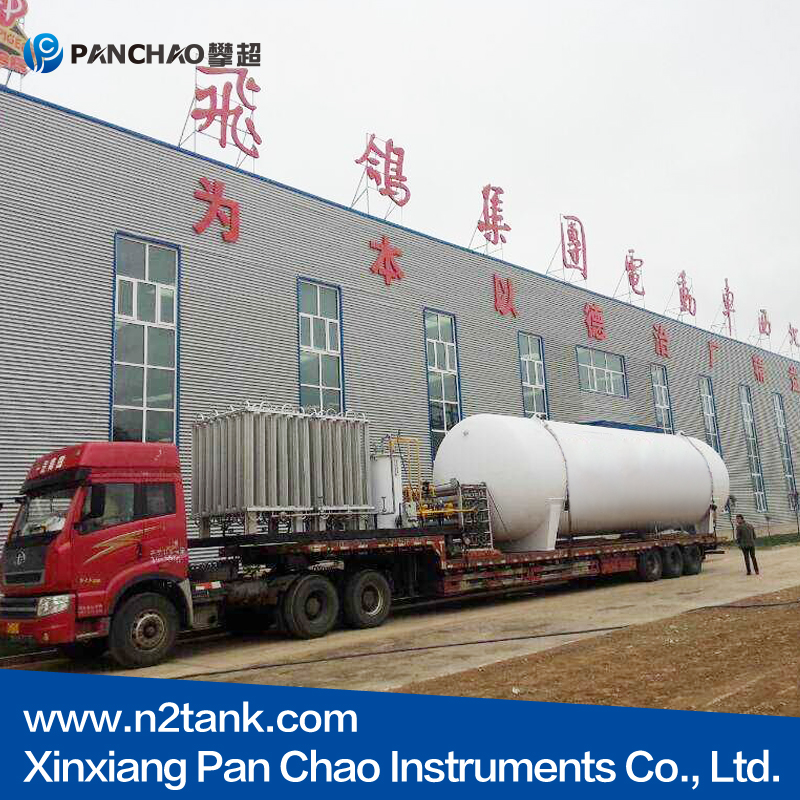
Cryogenic Liquid Tanks are available in vertical or horizonta...[more]
- 4GB150 pressure vessels cryogeni
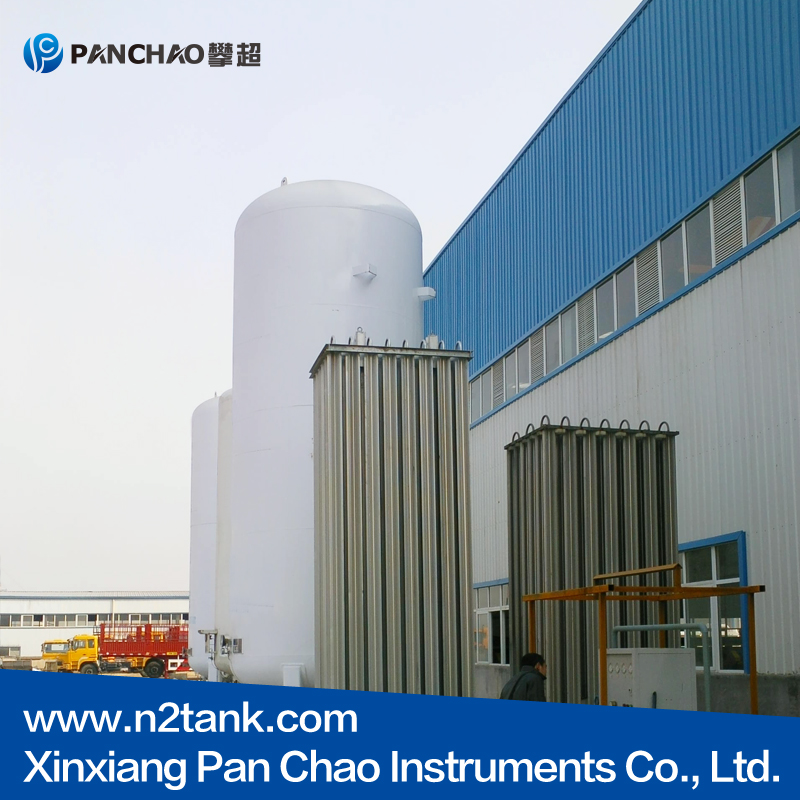
Cryogenic Liquid Tanks are available in vertical or horizonta...[more]
- 5New double Vertical cryogenic L
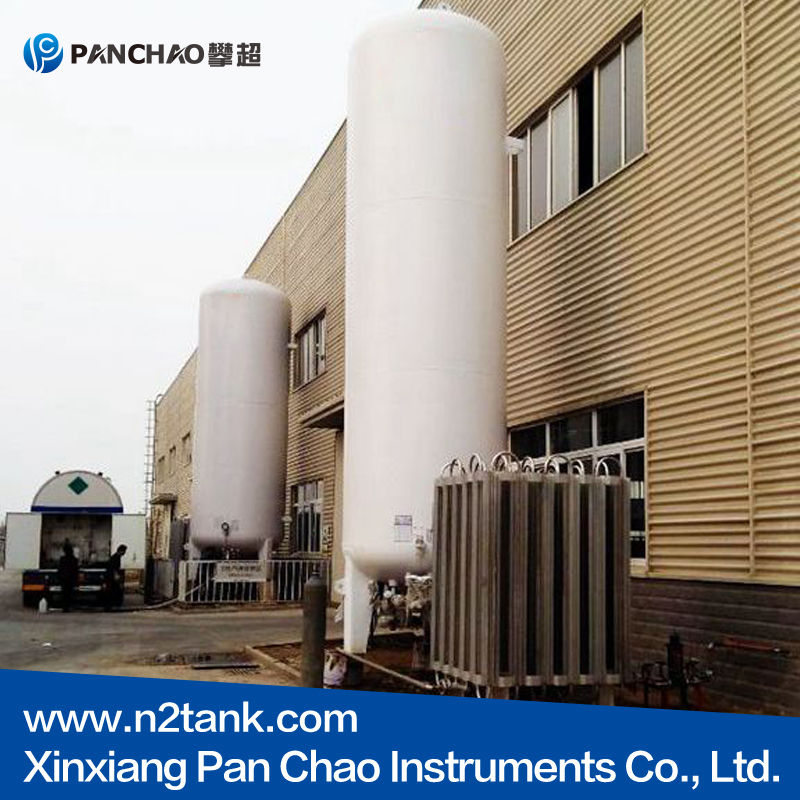
Cryogenic Liquid Tanks are available in vertical or horizonta...[more]
Rankings Of Similar Articles
- Why Can’t Liquid Nitrogen Containers Be Fully Sealed?
- Safety Redundancy Principles in Liquid Nitrogen Container Des
- Working Principle of Multi-Layer Insulation Inside Liquid Nit
- Why Do Liquid Nitrogen Containers Require Regular Liquid Leve
- How Structural Design Reduces Heat Conduction in Liquid Nitro
- Applications of Liquid Nitrogen Containers in Vaccine and Bio
- Impact of Ambient Temperature on the Evaporation Rate of Liqu
- Impact of Ambient Temperature on the Evaporation Rate of Liqu
- Long-Term Sample Storage in Liquid Nitrogen Tanks: Key Consid
- Why Do Liquid Nitrogen Containers Require Strict Sealing and
Latest Information
- Does Frost on the Outside of a Liquid Nitrogen Tank Always In
- Why Liquid Nitrogen Dewars Should Not Be Stored Empty Long-Te
- How to Understand the Static Evaporation Rate of a Liquid Nit
- Aluminum Alloy vs. Stainless Steel Liquid Nitrogen Tanks: Adv
- The Cooling Principle of Liquid Nitrogen Tanks: How Do They M
- The Vacuum Layer in Liquid Nitrogen Tanks: Invisible but Esse
- Holiday Notice
- Storage Environment Requirements for Liquid Nitrogen Tanks: T
- Hot sale thawing cup
- Storage of liquid nitrogen tank
