
LN₂ Tank Annular Structure: The Secret to Low Evaporation Rates
A liquid nitrogen tank’s ability to hold -196°C for months comes down to one thing: its annular (double-wall) structure. Here’s how it works.
The Basic Architecture
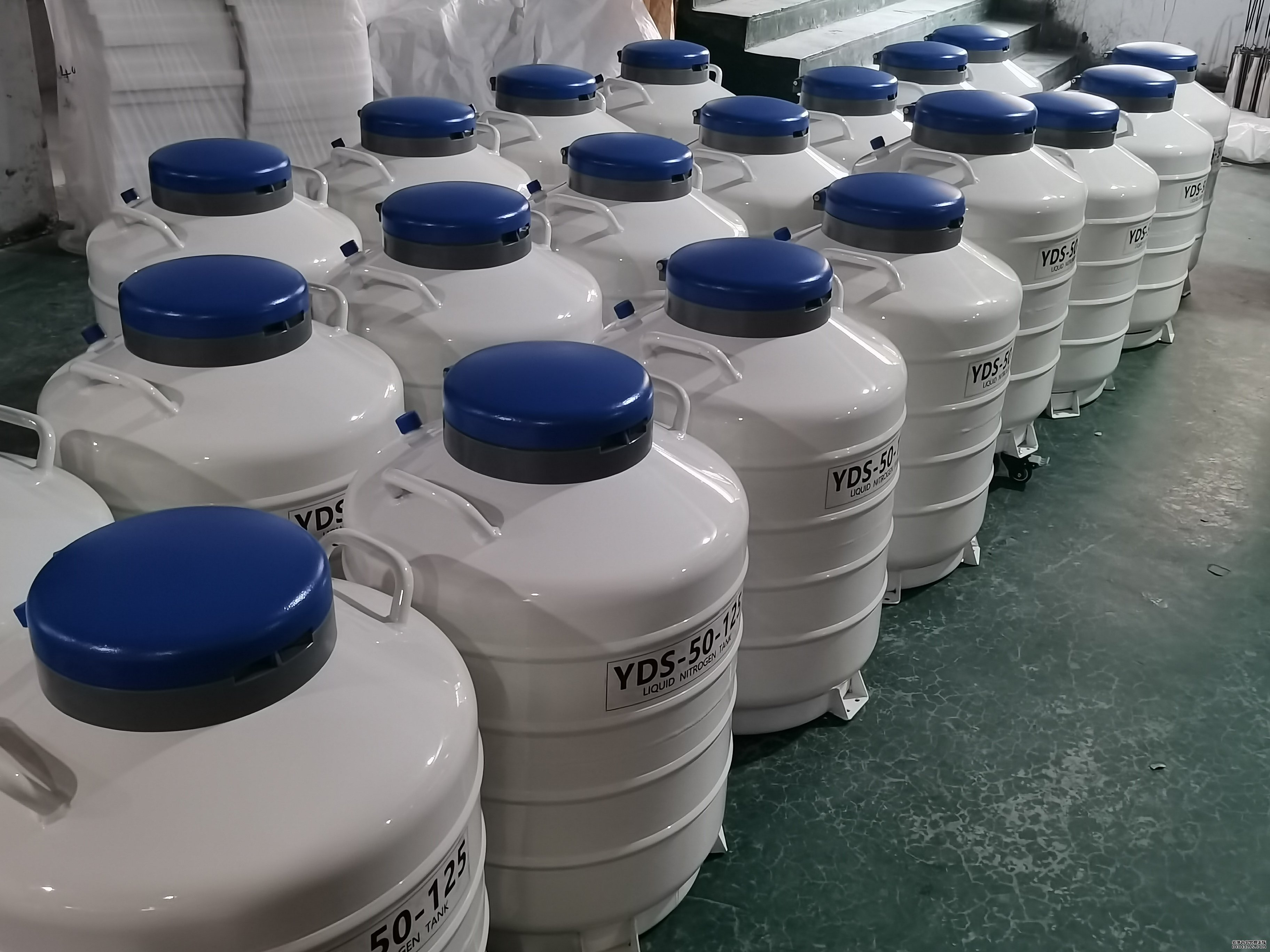
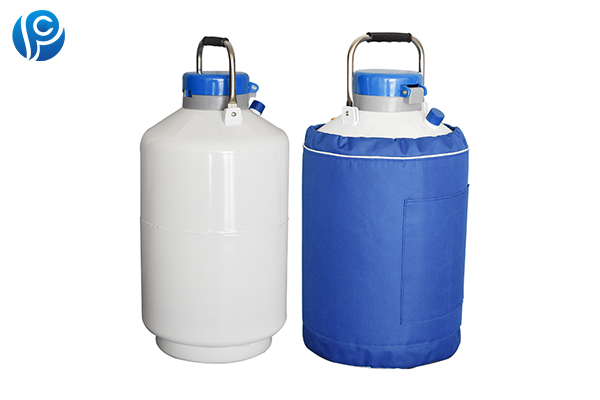
Every LN₂ tank has two shells—an inner vessel holding the liquid nitrogen and an outer protective shell. The space between them is not empty air. It is a precision-engineered vacuum cavity combined with multi-layer insulation (MLI).
Vacuum: The First Defense
The annular space is evacuated to ≤10⁻³ Pa (high vacuum). At this pressure, so few gas molecules remain that they can barely transfer heat by conduction or convection. Without vacuum, air at atmospheric pressure would conduct heat 100 times more effectively, causing LN₂ to boil away in days instead of months.
MLI: Blocking Radiant Heat
Vacuum alone cannot stop thermal radiation. That’s where MLI comes in. Inside the annulus, engineers place 20–40 alternating layers of aluminum foil and fiberglass or polyester fabric.
-
The aluminum foil reflects infrared radiation back toward the inner vessel, trapping cold inside.
-
The fiberglass spacers keep the metal layers from touching each other, preventing solid conduction between layers.
This combination reduces radiative heat transfer by over 90%.
Adsorbents: Keeping Vacuum Clean
Even the best vacuum slowly degrades as gas molecules permeate through metal or seals. To counter this, manufacturers place adsorbent materials (molecular sieves or activated carbon) inside the annulus. These materials trap residual hydrogen, helium, and water vapor, maintaining vacuum pressure for 5–10 years before needing replacement.
Neck Tube: The Weak Link
The tank’s opening (neck tube) is the hardest part to insulate. It must remain accessible, so it cannot be fully vacuum-sealed. Quality tanks use narrow-diameter necks (50–80mm) with helical baffles and radiation shields. Every 10mm reduction in neck diameter cuts evaporation by roughly 15%.
Why This Matters
A well-designed annular structure keeps static evaporation rates as low as 0.1–0.3% per day. A 50L tank might lose just 0.15L daily, holding LN₂ for over 300 days. Poor annular design (or damage) can push evaporation above 5% per day—emptying the same tank in three weeks.
Protecting the Structure
The annular space is fragile. Dents or impacts can cause inner and outer vessels to contact, creating a “thermal bridge” that bypasses the vacuum. External frost or condensation signals vacuum failure. Once compromised, only factory repair can restore performance.
Low evaporation rates come from three annular components working together: high vacuum (blocks conduction/convection), MLI (blocks radiation), and adsorbents (preserves vacuum). Treat this structure carefully, and your LN₂ tank will protect samples for years.
Relevant Information
- LN₂ Tank Neck Plugs: Much More Than Dust Covers
- Why Does Vacuum Degree Determine LN₂ Tank Thermal Performance?
- Long-Term Sample Storage in Liquid Nitrogen Tanks: Key Considerations
- Quality Evaluation Standards for the Vacuum Pumping Process of Liquid Nitrogen
- Five Common Operational Mistakes When Using Liquid Nitrogen Tanks
- Does Frost on the Outside of a Liquid Nitrogen Tank Always Indicate a Quality P
- Design Differences Between Laboratory and Transport Liquid Nitrogen Tanks
- Minimizing LN₂ Loss During Frequent Tank Access: 7 Proven Strategies
- Analysis of How Storage Environment Affects the Service Life of Liquid Nitrogen
- Which Cryogenic Biological Samples Are Suitable for Storage in Liquid Nitrogen
Latest Products
- 110m3 double wall cryogenic Liqu
Cryogenic Liquid Tanks are available in vertical or horizonta...[more]
- 2vertical stainless steel pressu
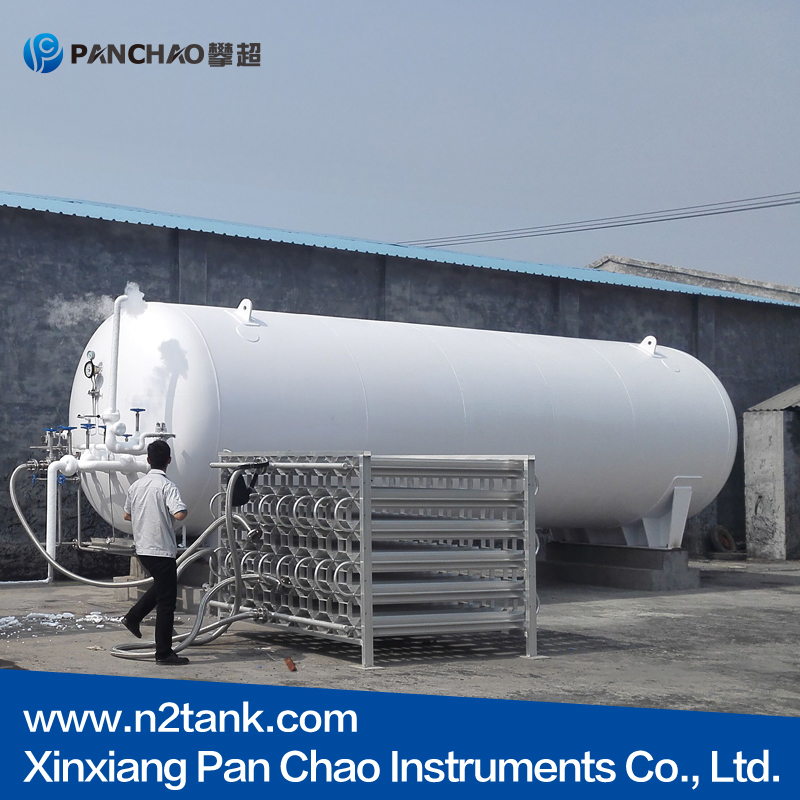
Cryogenic Liquid Tanks are available in vertical or horizonta...[more]
- 310 cubic meters cryogenic Liqui
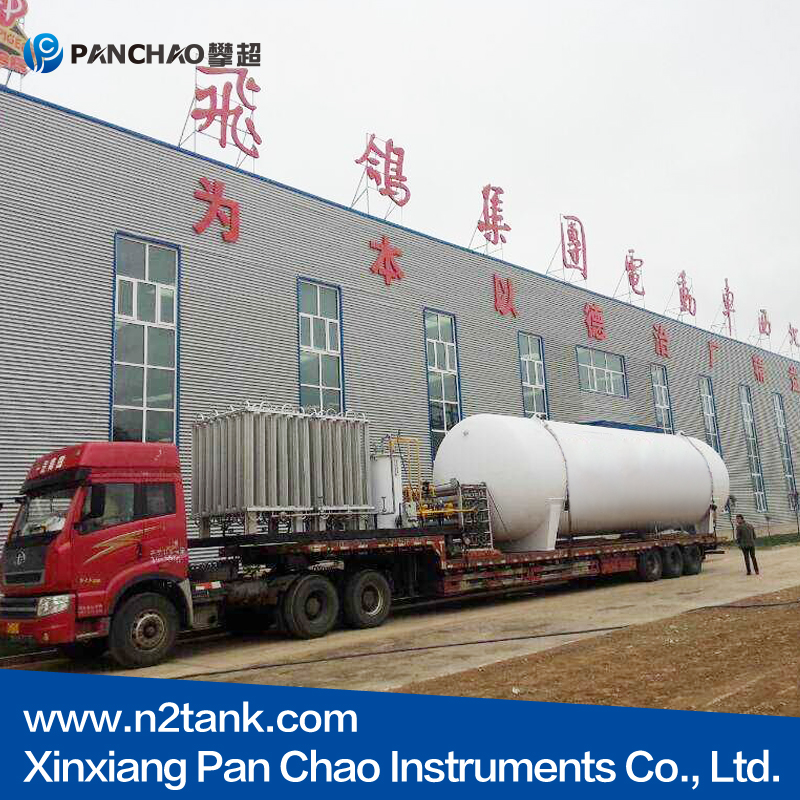
Cryogenic Liquid Tanks are available in vertical or horizonta...[more]
- 4GB150 pressure vessels cryogeni
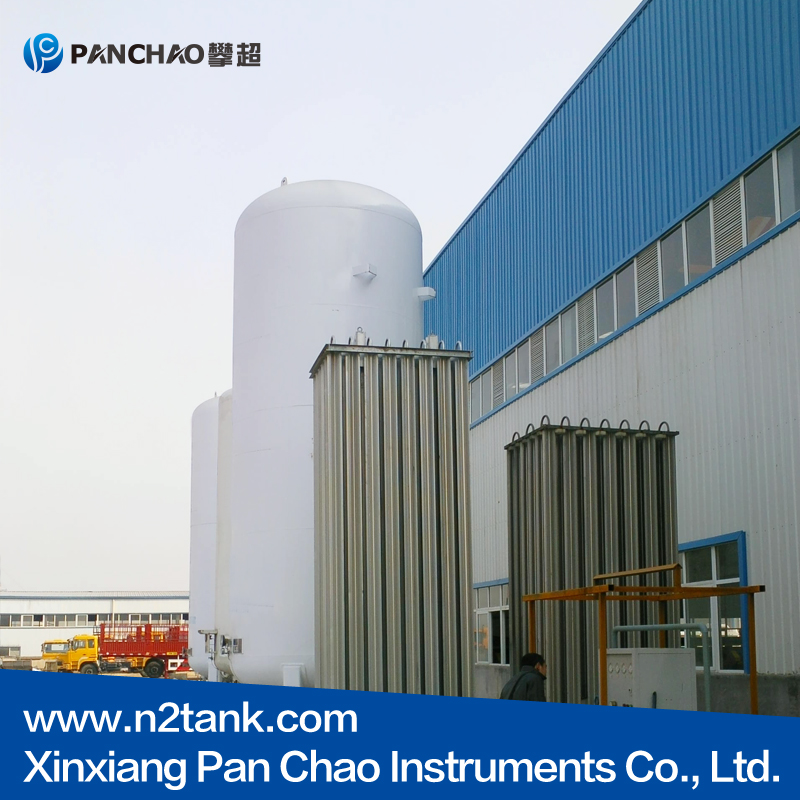
Cryogenic Liquid Tanks are available in vertical or horizonta...[more]
- 5New double Vertical cryogenic L
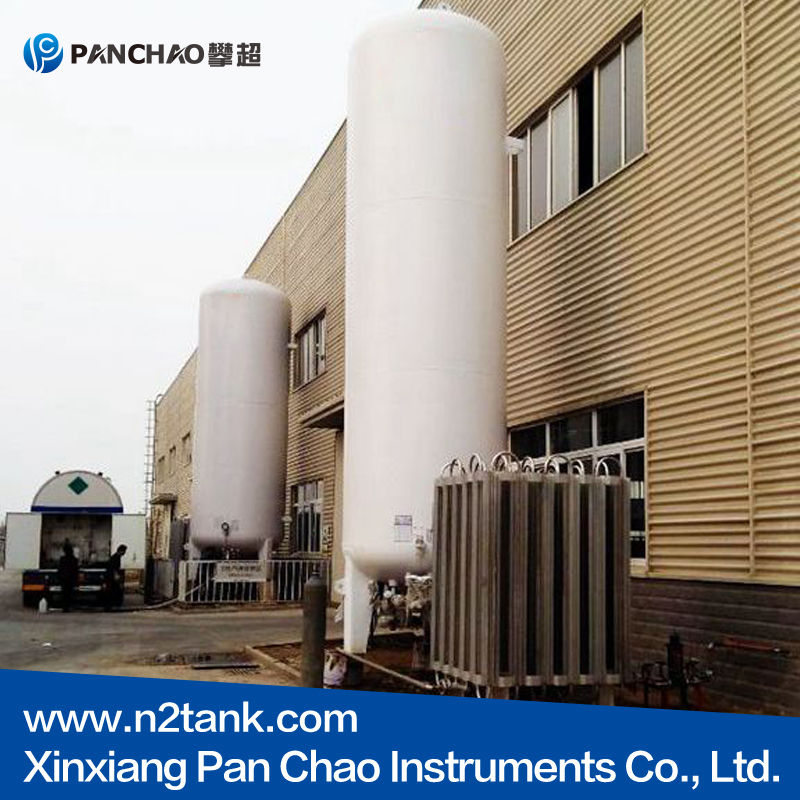
Cryogenic Liquid Tanks are available in vertical or horizonta...[more]
Rankings Of Similar Articles
- LN₂ Tank Neck Plugs: Much More Than Dust Covers
- Why Does Vacuum Degree Determine LN₂ Tank Thermal Performan
- Long-Term Sample Storage in Liquid Nitrogen Tanks: Key Consid
- Quality Evaluation Standards for the Vacuum Pumping Process o
- Five Common Operational Mistakes When Using Liquid Nitrogen T
- Does Frost on the Outside of a Liquid Nitrogen Tank Always In
- Design Differences Between Laboratory and Transport Liquid Ni
- Minimizing LN₂ Loss During Frequent Tank Access: 7 Proven S
- Analysis of How Storage Environment Affects the Service Life
- Which Cryogenic Biological Samples Are Suitable for Storage i
Latest Information
- Does Frost on the Outside of a Liquid Nitrogen Tank Always In
- Why Liquid Nitrogen Dewars Should Not Be Stored Empty Long-Te
- How to Understand the Static Evaporation Rate of a Liquid Nit
- Aluminum Alloy vs. Stainless Steel Liquid Nitrogen Tanks: Adv
- The Cooling Principle of Liquid Nitrogen Tanks: How Do They M
- The Vacuum Layer in Liquid Nitrogen Tanks: Invisible but Esse
- Holiday Notice
- Storage Environment Requirements for Liquid Nitrogen Tanks: T
- Hot sale thawing cup
- Storage of liquid nitrogen tank
