
How to Maintain Liquid Nitrogen Tanks for Long-Term Biological Sample Storage
Editor:adminClick:
Time:2026-09-24 09:14
Liquid nitrogen tanks are essential equipment for long-term preservation of biological samples such as cells, tissues, blood and microorganisms. Proper and standardized maintenance is the key to maintaining stable ultra-low temperature conditions, preventing sample deterioration, and extending the service life of storage tanks. Scientific daily management and regular maintenance can effectively avoid sample loss and experimental failure caused by equipment abnormalities.
First of all, real-time temperature and liquid nitrogen level monitoring is the most basic daily maintenance measure. Operators should check the liquid nitrogen volume in the tank daily and record data strictly. When the liquid level drops to the warning line, timely supplementation is required to ensure samples are completely immersed in low-temperature liquid nitrogen. Meanwhile, it is necessary to confirm the tightness of the tank mouth and check for frost, water vapor or air leakage. Abnormal frosting on the tank body usually indicates insulation failure, which requires timely inspection and troubleshooting to avoid temperature rise inside the tank.
Regular cleaning and disinfection are indispensable for long-term safe storage. After long-term use, the inner tank may accumulate residual frost, impurities or sample residues, which may cause contamination of biological samples. During regular maintenance, drain the residual liquid nitrogen completely, defrost the inner tank naturally, and clean the inner wall with sterile soft cloth and neutral disinfectant. It is forbidden to use corrosive detergents or hard tools to scratch the tank lining. After cleaning, the tank must be fully dried before reuse to prevent ice formation from affecting heat insulation performance.
Standard sample management and tank placement also matter greatly. Samples should be stored in classified and labeled cryogenic boxes or racks to avoid extrusion and confusion, and frequent and long-term opening of the tank cover should be reduced to minimize cold air loss and temperature fluctuation. The tank must be placed in a dry, ventilated, cool and stable environment, away from direct sunlight, high temperature heat sources and corrosive gases. Regular inspection of vacuum degree and accessory conditions, including lids, locks and hanging baskets, helps maintain stable equipment performance.
In conclusion, long-term maintenance of liquid nitrogen tanks relies on standardized daily monitoring, regular cleaning and scientific placement management. Strict maintenance procedures can stabilize ultra-low temperature storage environments, protect the integrity and activity of biological samples, and provide reliable guarantees for long-term biological research and medical sample preservation.
Keywords:
Relevant Information
- Liquid Nitrogen Storage Tanks: Safe, Efficient, and Reliable Cryogenic Storage
- Is It Really Necessary to Install a "Liquid Level Alarm" on a Liquid Nitrog
- Does a Liquid Nitrogen Tank Have to Be Scrapped Once Its "Vacuum Warranty Per
- Why Should a Liquid Nitrogen Tank Not Be Placed Directly on a Concrete Floor? —
- Why Must a Liquid Nitrogen Tank Be Pre-Cooled Before Use? — Preventing Therma
- How to Choose Between "Canisters" and "Racks" Inside a Liquid Nitrogen
- Why Is the Neck Plug of a Liquid Nitrogen Tank Not Solid? — Unveiling the Str
- How Is the "Daily Evaporation Rate" of a Liquid Nitrogen Tank Actuall
- Can a Liquid Nitrogen Tank Still Be Used After Ten Years?
- 5 Key Parameters to Focus on When Purchasing a Liquid Nitrogen Tank

Latest Products
- 110m3 double wall cryogenic Liqu
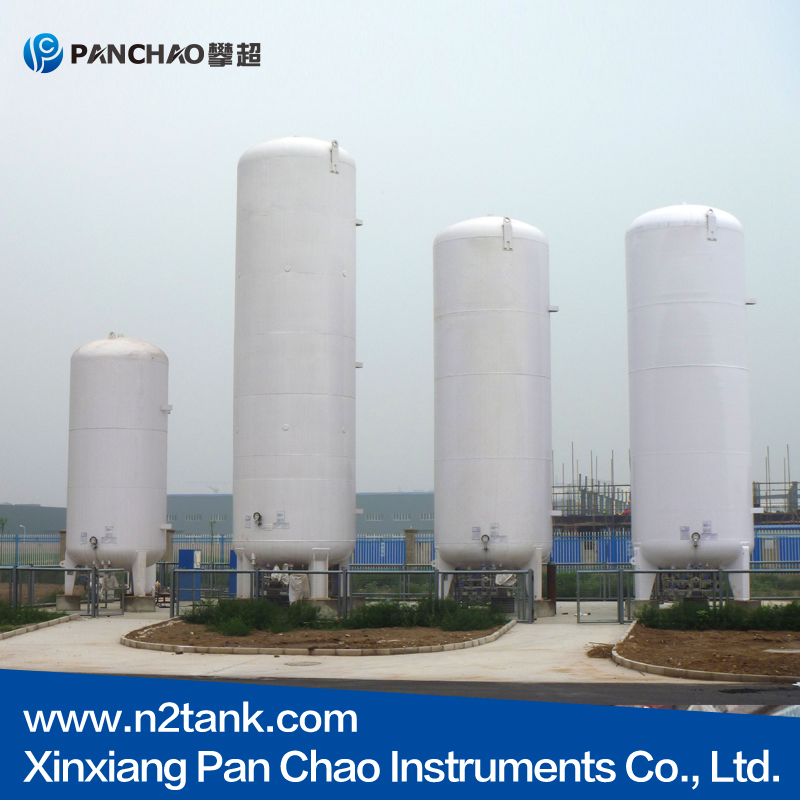
Cryogenic Liquid Tanks are available in vertical or horizonta...[more]
- 2vertical stainless steel pressu
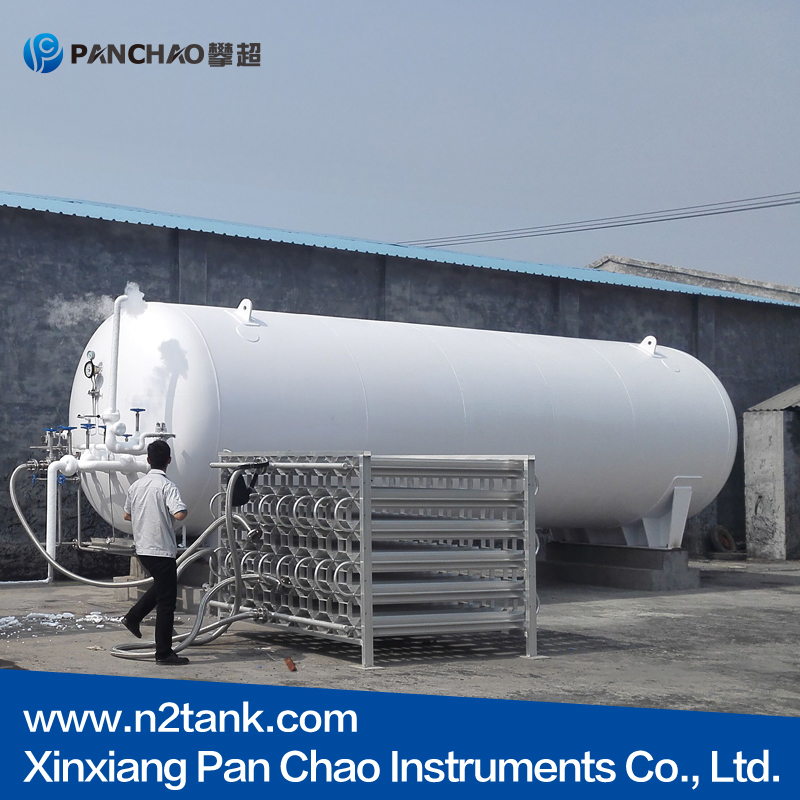
Cryogenic Liquid Tanks are available in vertical or horizonta...[more]
- 310 cubic meters cryogenic Liqui
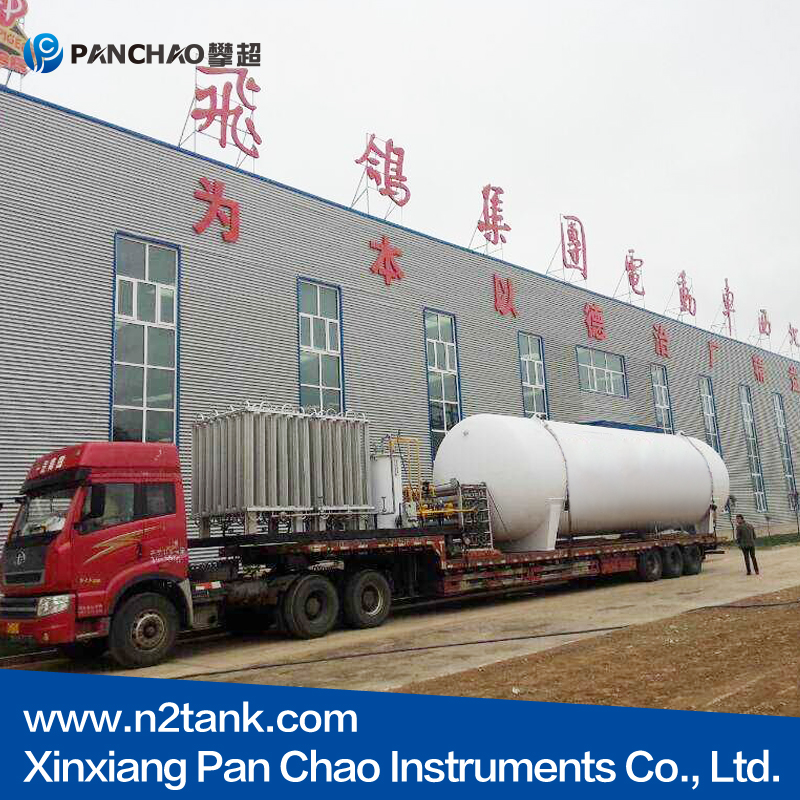
Cryogenic Liquid Tanks are available in vertical or horizonta...[more]
- 4GB150 pressure vessels cryogeni
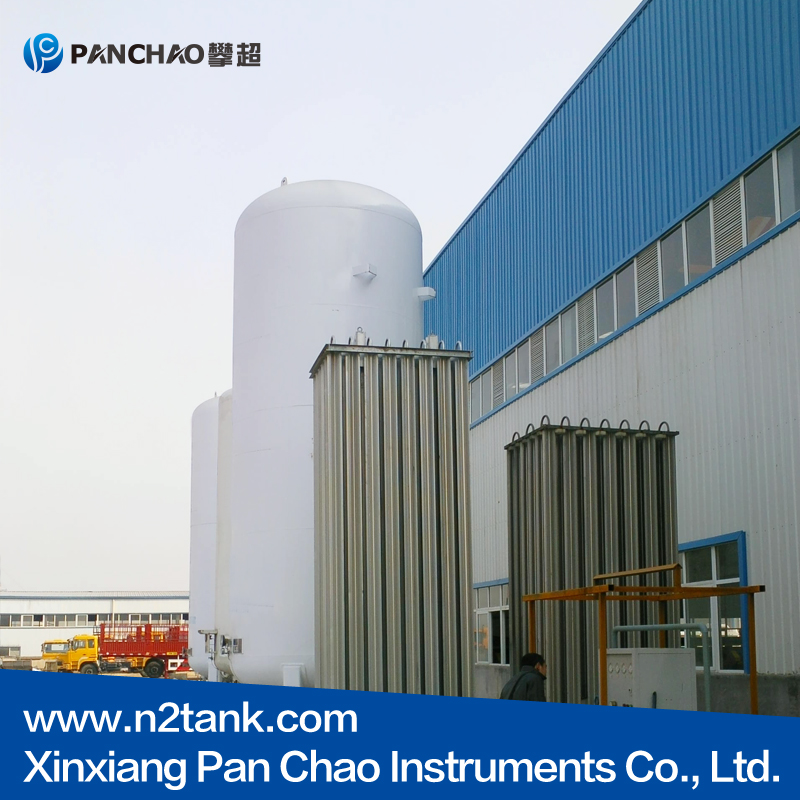
Cryogenic Liquid Tanks are available in vertical or horizonta...[more]
- 5New double Vertical cryogenic L
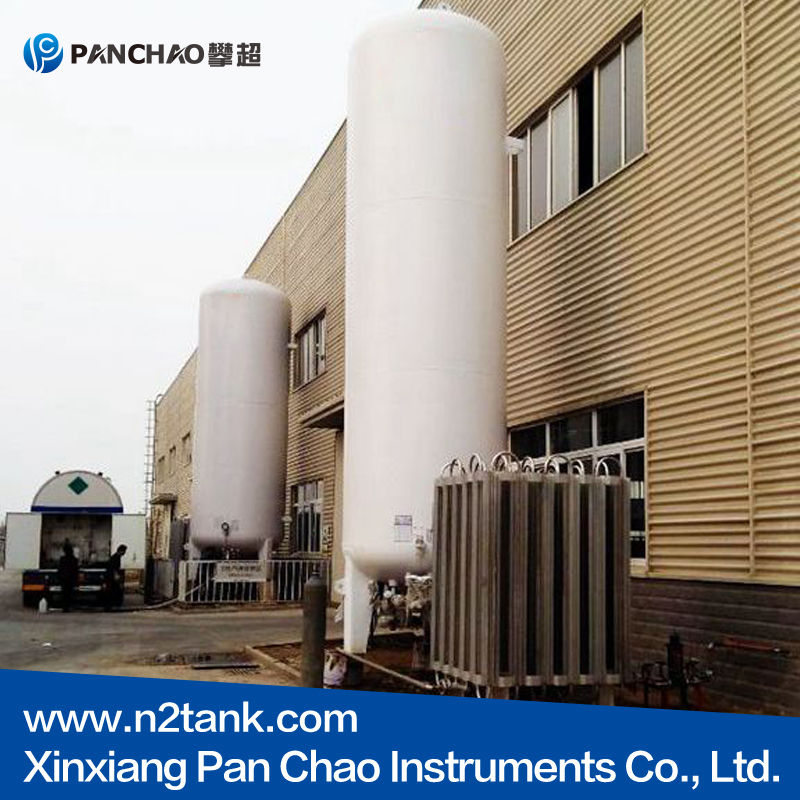
Cryogenic Liquid Tanks are available in vertical or horizonta...[more]
Rankings Of Similar Articles
- Liquid Nitrogen Storage Tanks: Safe, Efficient, and Reliable
- Is It Really Necessary to Install a "Liquid Level Alarm"
- Does a Liquid Nitrogen Tank Have to Be Scrapped Once Its "V
- Why Should a Liquid Nitrogen Tank Not Be Placed Directly on a
- Why Must a Liquid Nitrogen Tank Be Pre-Cooled Before Use? —
- How to Choose Between "Canisters" and "Racks" Inside
- Why Is the Neck Plug of a Liquid Nitrogen Tank Not Solid? —
- How Is the "Daily Evaporation Rate" of a Liquid Nit
- Can a Liquid Nitrogen Tank Still Be Used After Ten Years?
- 5 Key Parameters to Focus on When Purchasing a Liquid Nitroge
Latest Information
- Liquid Nitrogen Storage Tanks: Safe, Efficient, and Reliable
- Does Frost on the Outside of a Liquid Nitrogen Tank Always In
- Why Liquid Nitrogen Dewars Should Not Be Stored Empty Long-Te
- How to Understand the Static Evaporation Rate of a Liquid Nit
- Aluminum Alloy vs. Stainless Steel Liquid Nitrogen Tanks: Adv
- The Cooling Principle of Liquid Nitrogen Tanks: How Do They M
- The Vacuum Layer in Liquid Nitrogen Tanks: Invisible but Esse
- Holiday Notice
- Storage Environment Requirements for Liquid Nitrogen Tanks: T
- Hot sale thawing cup
