
5 Key Parameters to Focus on When Purchasing a Liquid Nitrogen Tank
Selecting the right liquid nitrogen (LN₂) tank is a strategic decision that directly impacts sample safety, operational efficiency, and long-term costs. Beyond basic capacity, here are the five most critical parameters to evaluate.
1. Static Evaporation Rate
The static evaporation rate is the amount of LN₂ lost per day under normal conditions. This is a direct measure of the tank's insulation quality. For standard storage tanks, a rate of 0.1-0.3% per day is considered good. Lower rates mean longer holding times and lower operating costs. However, be aware that a very low rate may sometimes come at the expense of a more delicate tank structure. Evaluate the rate against your typical refill schedule and the tank's intended use.
2. Neck Diameter
The neck diameter is often overlooked but has a significant impact on performance. A smaller neck diameter reduces the rate of LN₂ evaporation. Every 10mm increase in neck diameter can raise daily LN₂ loss by 15-20%. Conversely, a larger neck provides easier access for storage and retrieval of samples. The ideal diameter depends on your application: narrow for long-term storage, wide for frequent access.
3. Tank Construction and Material
The material and construction of the tank determine its durability and potential for weight savings. Most modern tanks use aerospace-grade aluminum for the inner and outer vessels, providing a good balance of strength and weight. The tank's structural design and the presence of reinforcing ribs or protective outer coatings can also affect its ability to withstand impacts.
4. Safety and Monitoring Features
Assess the built-in safety and monitoring features. A pressure relief valve is essential to prevent dangerous pressure build-up. An optional pressure gauge can help monitor conditions. Some tanks come equipped with low-level alarms or remote monitoring capabilities, which are critical for protecting samples.
5. Warranty and Service Support
A strong warranty is an indicator of the manufacturer's confidence in their product. Pay attention to the warranty on the vacuum insulation, which is the most critical component. A typical warranty is 3 to 5 years. In addition, consider the availability of local service and spare parts to avoid extended downtime.
The Bottom Line
Choosing the right liquid nitrogen tank requires a careful assessment of these five critical parameters. Understanding the static evaporation rate, neck diameter, construction, safety features, and service support ensures you select a tank that meets your current needs and provides long-term reliability. Always balance performance and cost to find the optimal solution for your specific application.
Relevant Information
- Long-Term Sample Storage in Liquid Nitrogen Tanks: Key Considerations
- Key Details to Pay Attention to When Filling a Liquid Nitrogen Tank
- The Key Role of Liquid Nitrogen Containers in Biological Sample Transportation
- Long-Term Sample Storage in Liquid Nitrogen Tanks: Key Considerations
- Key Control Points in the Vacuum Pumping Process of Liquid Nitrogen Containers
- Key Indicators That Define the Insulation Performance of Liquid Nitrogen Tanks
- Internal Canister Design in Liquid Nitrogen Tanks: A Key to Sample Safety
- Liquid Nitrogen Tank Maintenance Schedule: Key Points for Regular Inspection an
- Liquid Nitrogen Tank Maintenance Schedule: Key Points for Regular Inspection an
- How Long Can a Liquid Nitrogen Tank Store? Key Factors Affecting Duration
Latest Products
- 110m3 double wall cryogenic Liqu
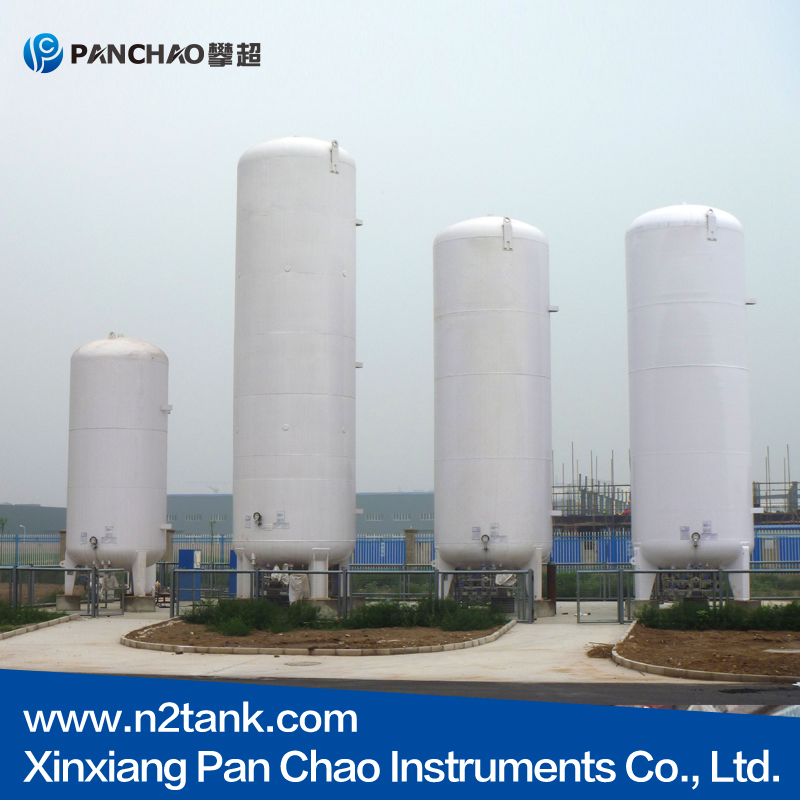
Cryogenic Liquid Tanks are available in vertical or horizonta...[more]
- 2vertical stainless steel pressu
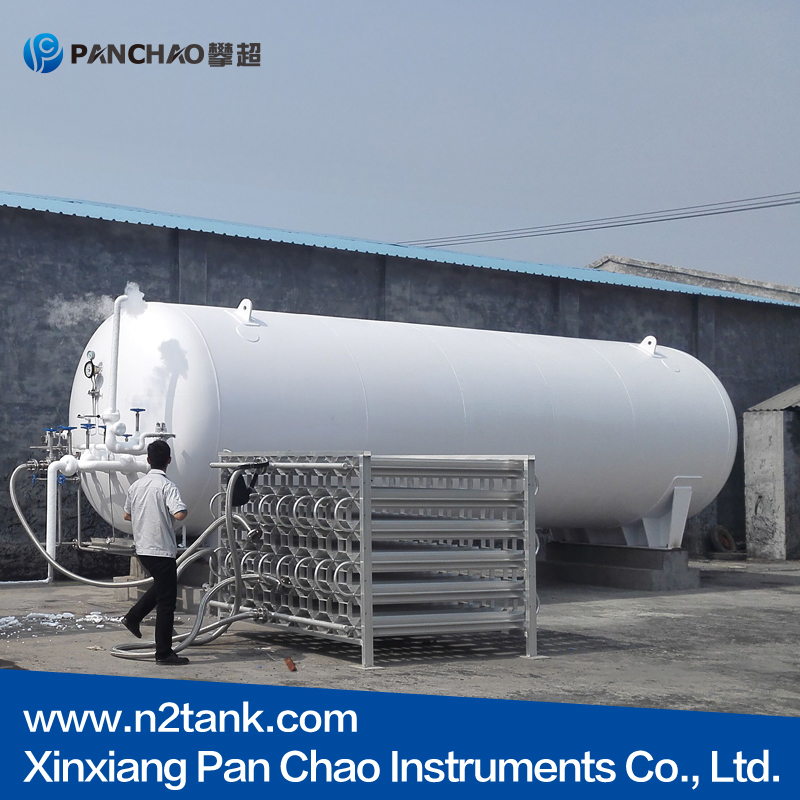
Cryogenic Liquid Tanks are available in vertical or horizonta...[more]
- 310 cubic meters cryogenic Liqui
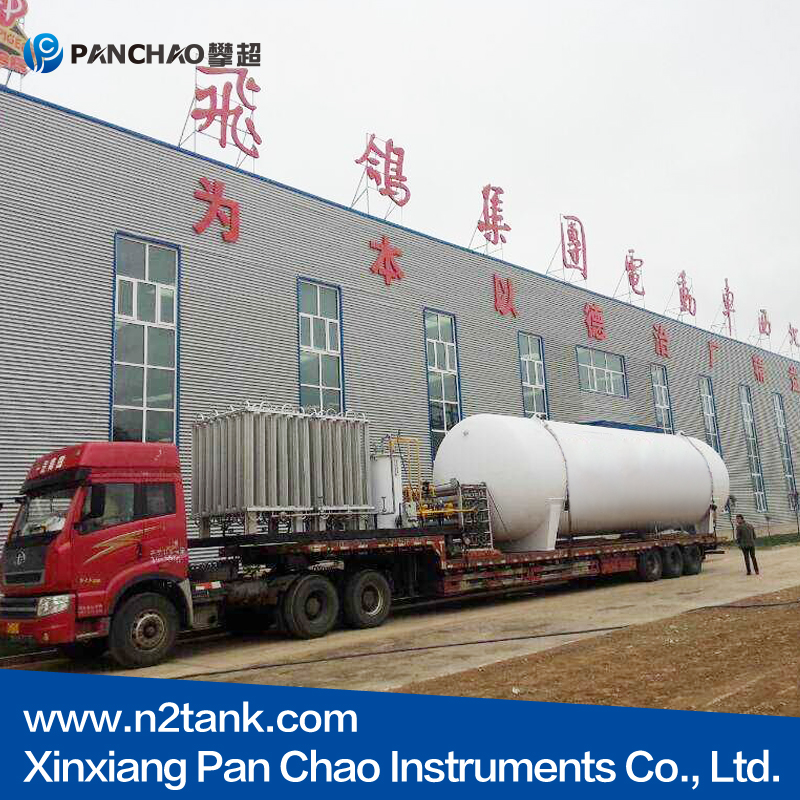
Cryogenic Liquid Tanks are available in vertical or horizonta...[more]
- 4GB150 pressure vessels cryogeni
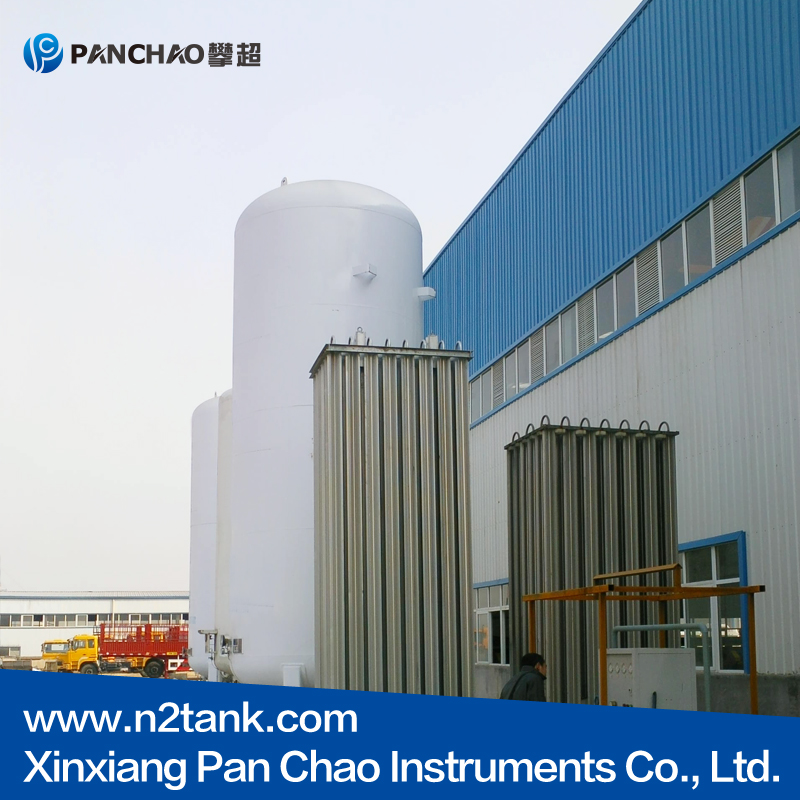
Cryogenic Liquid Tanks are available in vertical or horizonta...[more]
- 5New double Vertical cryogenic L
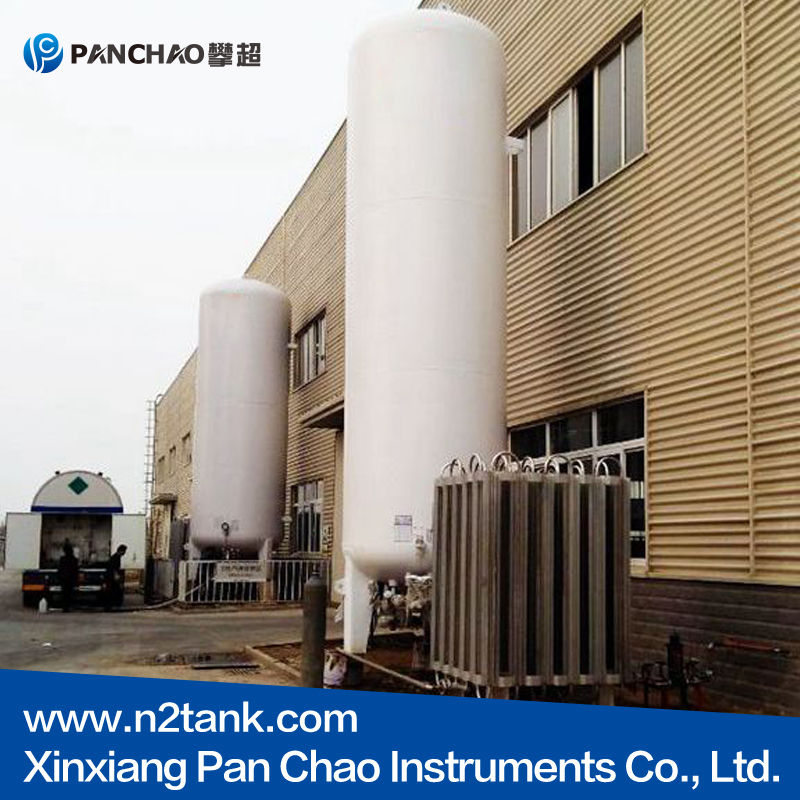
Cryogenic Liquid Tanks are available in vertical or horizonta...[more]
Rankings Of Similar Articles
- Long-Term Sample Storage in Liquid Nitrogen Tanks: Key Consid
- Key Details to Pay Attention to When Filling a Liquid Nitroge
- The Key Role of Liquid Nitrogen Containers in Biological Samp
- Long-Term Sample Storage in Liquid Nitrogen Tanks: Key Consid
- Key Control Points in the Vacuum Pumping Process of Liquid Ni
- Key Indicators That Define the Insulation Performance of Liqu
- Internal Canister Design in Liquid Nitrogen Tanks: A Key to S
- Liquid Nitrogen Tank Maintenance Schedule: Key Points for Reg
- Liquid Nitrogen Tank Maintenance Schedule: Key Points for Reg
- How Long Can a Liquid Nitrogen Tank Store? Key Factors Affect
Latest Information
- Does Frost on the Outside of a Liquid Nitrogen Tank Always In
- Why Liquid Nitrogen Dewars Should Not Be Stored Empty Long-Te
- How to Understand the Static Evaporation Rate of a Liquid Nit
- Aluminum Alloy vs. Stainless Steel Liquid Nitrogen Tanks: Adv
- The Cooling Principle of Liquid Nitrogen Tanks: How Do They M
- The Vacuum Layer in Liquid Nitrogen Tanks: Invisible but Esse
- Holiday Notice
- Storage Environment Requirements for Liquid Nitrogen Tanks: T
- Hot sale thawing cup
- Storage of liquid nitrogen tank
