
Key Control Points in the Vacuum Pumping Process of Liquid Nitrogen Containers
The vacuum insulation layer is the core of a liquid nitrogen container’s performance, and the vacuum pumping process directly determines its insulation efficiency and long-term reliability. To achieve and maintain a high-quality vacuum, several critical control points must be strictly managed during manufacturing.
1. Pre-Treatment and Cleaning
Before vacuum pumping, all internal components must undergo thorough cleaning, degreasing, and drying. Any residual oil, moisture, or contaminants can release gas during or after evacuation (outgassing), which will degrade the vacuum level. Proper pre-treatment is essential for achieving a stable high vacuum.
2. Material Selection and Outgassing Control
Materials used inside the vacuum layer must have low outgassing properties. Components are often pre-baked or heat-treated to remove absorbed gases. This reduces the amount of gas released over time and helps maintain long-term vacuum stability.
3. Vacuum Pumping Process Control
The evacuation process is typically carried out in stages. Gradual pumping helps avoid trapping gases and ensures more complete removal of air. Monitoring parameters such as pressure level, pumping speed, and duration is critical to achieving the desired vacuum quality.
4. Leak Detection and Sealing Integrity
After reaching the target vacuum level, the system must undergo strict leak testing, often using helium leak detection methods. Even microscopic leaks can significantly impact long-term performance. High-quality welding and sealing processes are essential to ensure airtight integrity.
5. Adsorbent Activation and Integration
Adsorbents (such as molecular sieves or getters) are introduced into the vacuum layer to capture residual gases. These materials must be properly **activated—usually through heating—**to maximize their adsorption capacity before final sealing.
6. Multi-Layer Insulation (MLI) Installation
If multi-layer insulation is used, its placement and integrity must be carefully controlled. Proper spacing and alignment of reflective layers help reduce radiative heat transfer and improve overall insulation performance.
7. Final Sealing and Vacuum Retention Testing
Once all steps are completed, the container is sealed, and vacuum retention tests are conducted over time to ensure stability. This step verifies that the vacuum level remains consistent and meets design specifications.
8. Quality Control and Documentation
Comprehensive inspection and data recording ensure that each container meets strict standards. Parameters such as vacuum level, leak rate, and evaporation performance are documented for traceability and quality assurance.
A high-quality vacuum is not just created—it is controlled at every step.
Relevant Information
- Key Indicators That Define the Insulation Performance of Liquid Nitrogen Tanks
- Internal Canister Design in Liquid Nitrogen Tanks: A Key to Sample Safety
- Liquid Nitrogen Tank Maintenance Schedule: Key Points for Regular Inspection an
- Liquid Nitrogen Tank Maintenance Schedule: Key Points for Regular Inspection an
- How Long Can a Liquid Nitrogen Tank Store? Key Factors Affecting Duration
- Internal Canister Design in Liquid Nitrogen Tanks: The Key to Sample Safety
- Vacuuming Process in Liquid Nitrogen Tanks: A Key Factor Determining Lifespan
- Key Safety Considerations When Transporting Liquid Nitrogen Tanks
- Liquid nitrogen tank temperature control system revealed: how to maintain low t
- Vacuum layer of liquid nitrogen tank: key technology for safeguarding ultra-low

Latest Products
- 110m3 double wall cryogenic Liqu
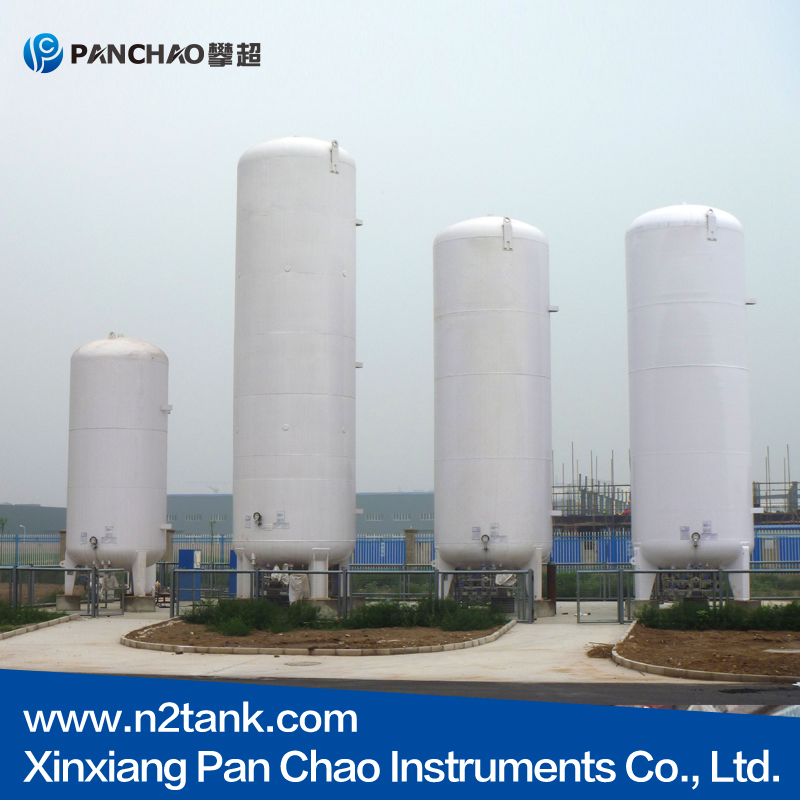
Cryogenic Liquid Tanks are available in vertical or horizonta...[more]
- 2vertical stainless steel pressu
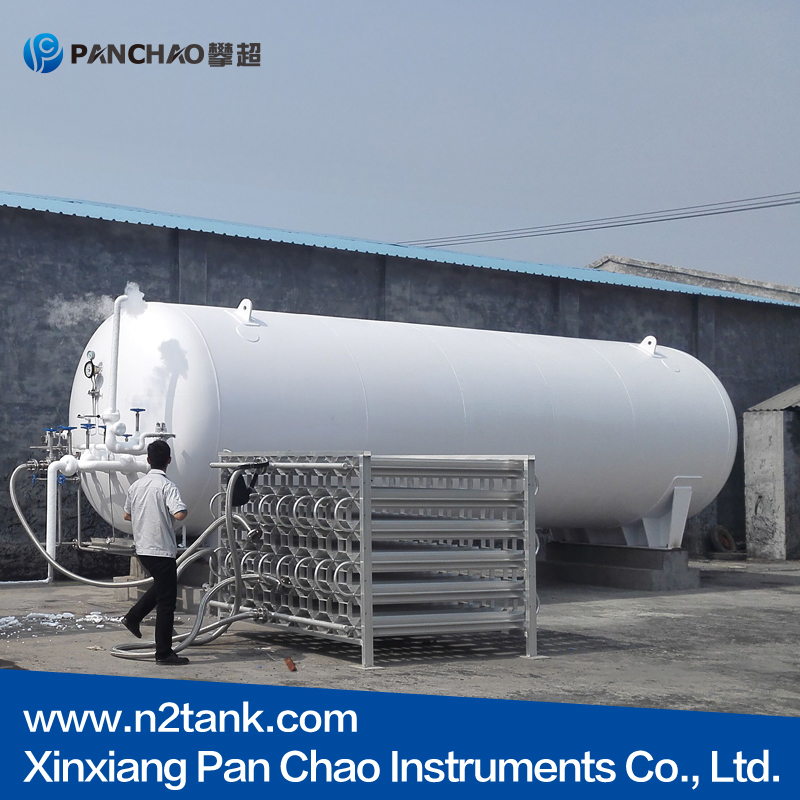
Cryogenic Liquid Tanks are available in vertical or horizonta...[more]
- 310 cubic meters cryogenic Liqui
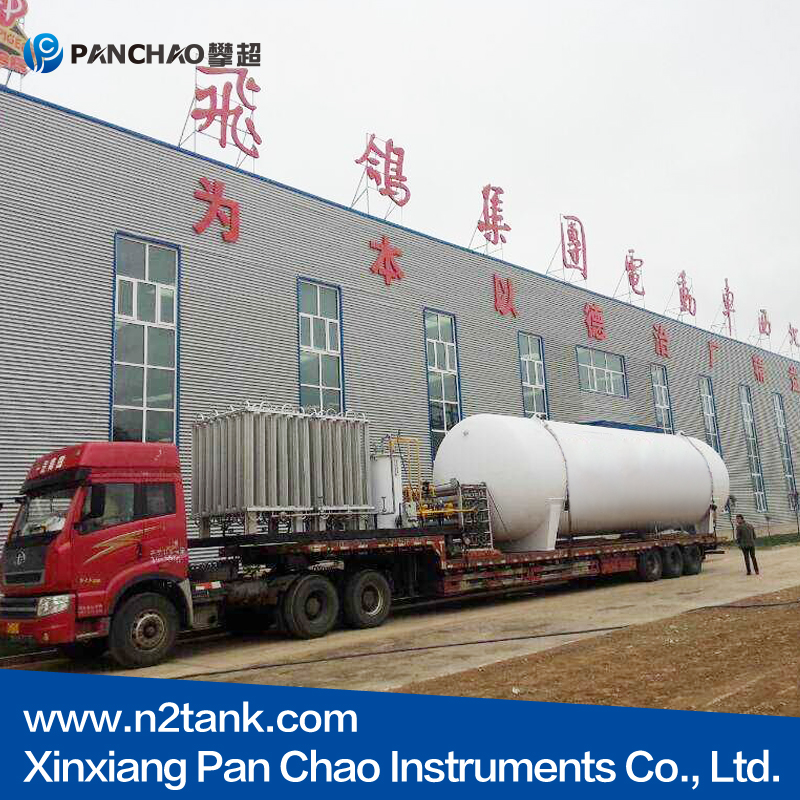
Cryogenic Liquid Tanks are available in vertical or horizonta...[more]
- 4GB150 pressure vessels cryogeni
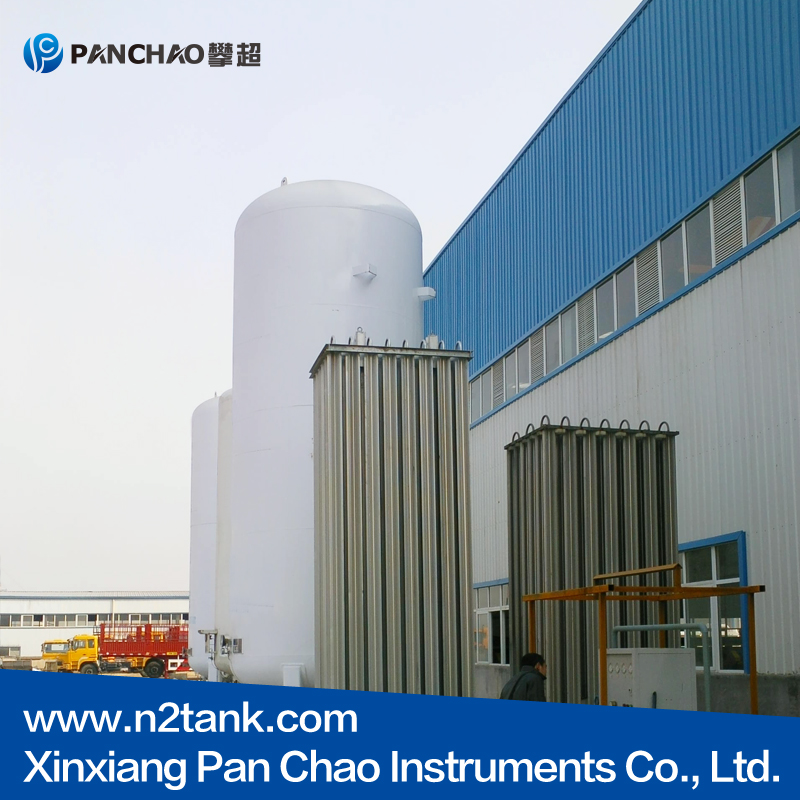
Cryogenic Liquid Tanks are available in vertical or horizonta...[more]
- 5New double Vertical cryogenic L
Cryogenic Liquid Tanks are available in vertical or horizonta...[more]
Rankings Of Similar Articles
- Key Indicators That Define the Insulation Performance of Liqu
- Internal Canister Design in Liquid Nitrogen Tanks: A Key to S
- Liquid Nitrogen Tank Maintenance Schedule: Key Points for Reg
- Liquid Nitrogen Tank Maintenance Schedule: Key Points for Reg
- How Long Can a Liquid Nitrogen Tank Store? Key Factors Affect
- Internal Canister Design in Liquid Nitrogen Tanks: The Key to
- Vacuuming Process in Liquid Nitrogen Tanks: A Key Factor Dete
- Key Safety Considerations When Transporting Liquid Nitrogen T
- Liquid nitrogen tank temperature control system revealed: how
- Vacuum layer of liquid nitrogen tank: key technology for safe
Latest Information
- Does Frost on the Outside of a Liquid Nitrogen Tank Always In
- Why Liquid Nitrogen Dewars Should Not Be Stored Empty Long-Te
- How to Understand the Static Evaporation Rate of a Liquid Nit
- Aluminum Alloy vs. Stainless Steel Liquid Nitrogen Tanks: Adv
- The Cooling Principle of Liquid Nitrogen Tanks: How Do They M
- The Vacuum Layer in Liquid Nitrogen Tanks: Invisible but Esse
- Holiday Notice
- Storage Environment Requirements for Liquid Nitrogen Tanks: T
- Hot sale thawing cup
- Storage of liquid nitrogen tank
