
How Does the Insulation Principle of Liquid Nitrogen Containers Differ from Traditional Insulated Containers?
Liquid nitrogen containers are designed to maintain extremely low temperatures (−196°C), which requires a fundamentally different insulation approach compared to traditional thermal containers. While both aim to reduce heat transfer, the mechanisms and engineering principles behind them are significantly different.
The most important difference lies in the use of a high-vacuum insulation layer. Liquid nitrogen containers adopt a double-wall structure, where the space between the inner and outer walls is evacuated to form a vacuum. This vacuum effectively eliminates convective heat transfer and greatly reduces conductive heat transfer, which are the primary modes of heat transfer in traditional containers.
In contrast, traditional insulated containers—such as foam-insulated boxes or standard thermal flasks—rely mainly on solid insulating materials like polyurethane foam or fiberglass. These materials slow down heat transfer but cannot eliminate it. As a result, they are suitable for moderate temperature retention but not for cryogenic applications.
Another key difference is the use of multi-layer insulation (MLI) in liquid nitrogen containers. Reflective layers are added within the vacuum space to minimize radiative heat transfer, further enhancing insulation efficiency. Traditional containers typically lack such advanced radiation shielding.
The neck tube design is also unique to liquid nitrogen containers. Since the vacuum layer isolates most of the structure, the neck becomes the primary pathway for heat ingress. It is carefully engineered to be long, narrow, and made of low thermal conductivity materials to minimize heat transfer—something not required in conventional designs.
Additionally, liquid nitrogen containers are designed to handle continuous evaporation. Unlike traditional containers that aim to retain heat or cold without phase change, liquid nitrogen naturally boils and evaporates. The insulation system is therefore optimized to reduce evaporation rate, not to stop it entirely.
Finally, structural precision and vacuum integrity are critical in liquid nitrogen containers. Even minor defects can significantly impact performance. Traditional insulated containers, by comparison, have simpler structures and lower manufacturing precision requirements.
True cryogenic insulation requires more than materials—it requires advanced engineering.
Relevant Information
- Key Control Points in the Vacuum Pumping Process of Liquid Nitrogen Containers
- How to Identify Structural Abnormalities in Liquid Nitrogen Containers Through
- How to Maintain Long-Term Vacuum Stability in Liquid Nitrogen Containers After
- Why Is the Internal Support Structure of a Liquid Nitrogen Container So Importa
- Why Does the Evaporation Rate of Liquid Nitrogen Containers Increase After Long
- How to Evaluate Liquid Nitrogen Evaporation Using the Weighing Method
- What Is the Role of Adsorbents in the Vacuum Insulation Layer of Liquid Nitroge
- Five Structural Factors Affecting the Insulation Performance of Liquid Nitrogen
- Why Is the Neck Tube Material of a Liquid Nitrogen Container So Critical?
- Quality Evaluation Standards for the Vacuum Pumping Process of Liquid Nitrogen
Latest Products
- 110m3 double wall cryogenic Liqu
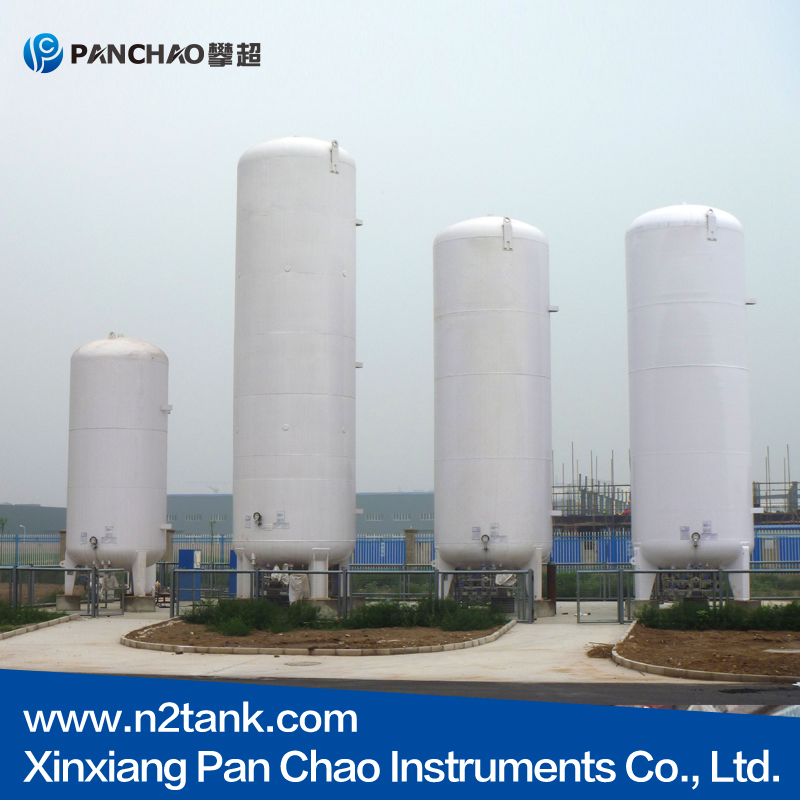
Cryogenic Liquid Tanks are available in vertical or horizonta...[more]
- 2vertical stainless steel pressu
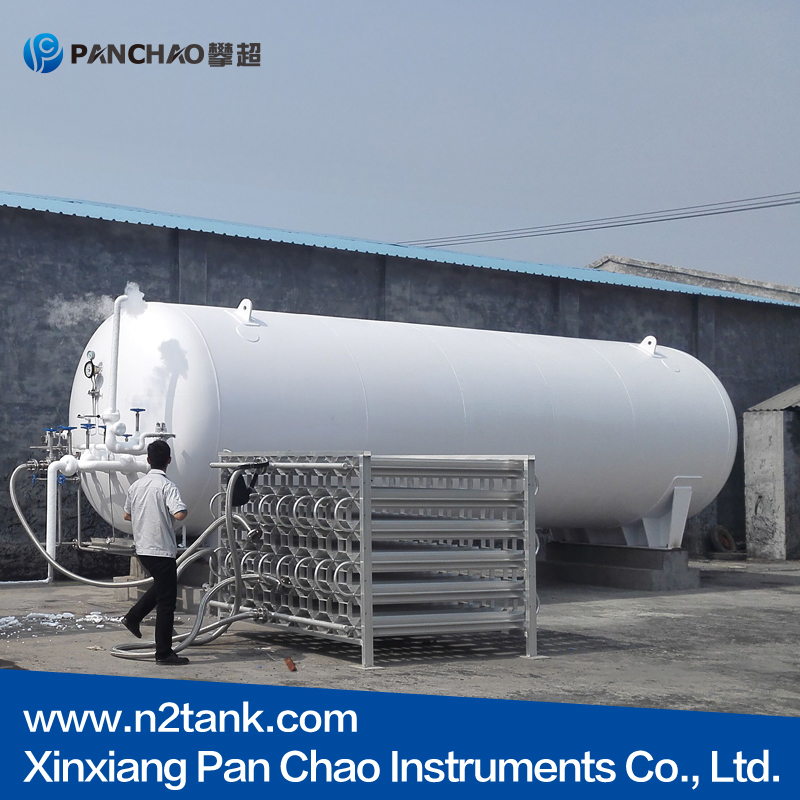
Cryogenic Liquid Tanks are available in vertical or horizonta...[more]
- 310 cubic meters cryogenic Liqui
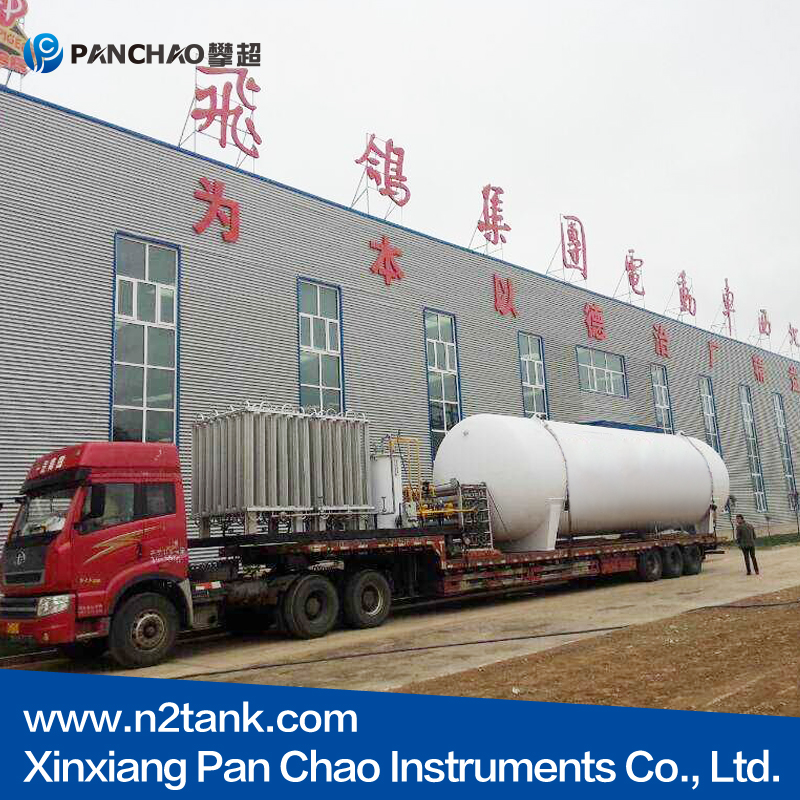
Cryogenic Liquid Tanks are available in vertical or horizonta...[more]
- 4GB150 pressure vessels cryogeni
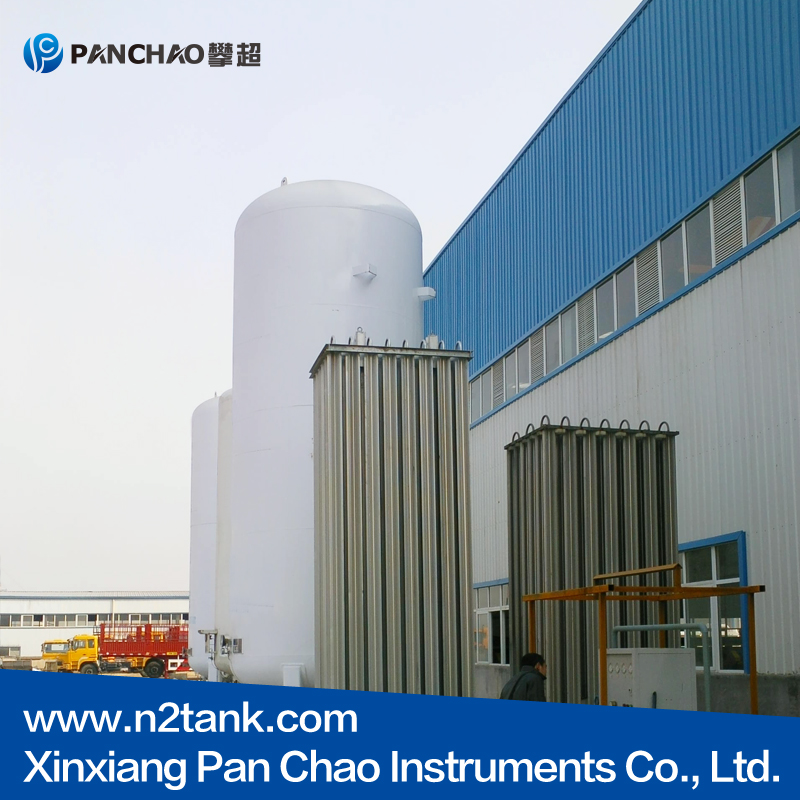
Cryogenic Liquid Tanks are available in vertical or horizonta...[more]
- 5New double Vertical cryogenic L
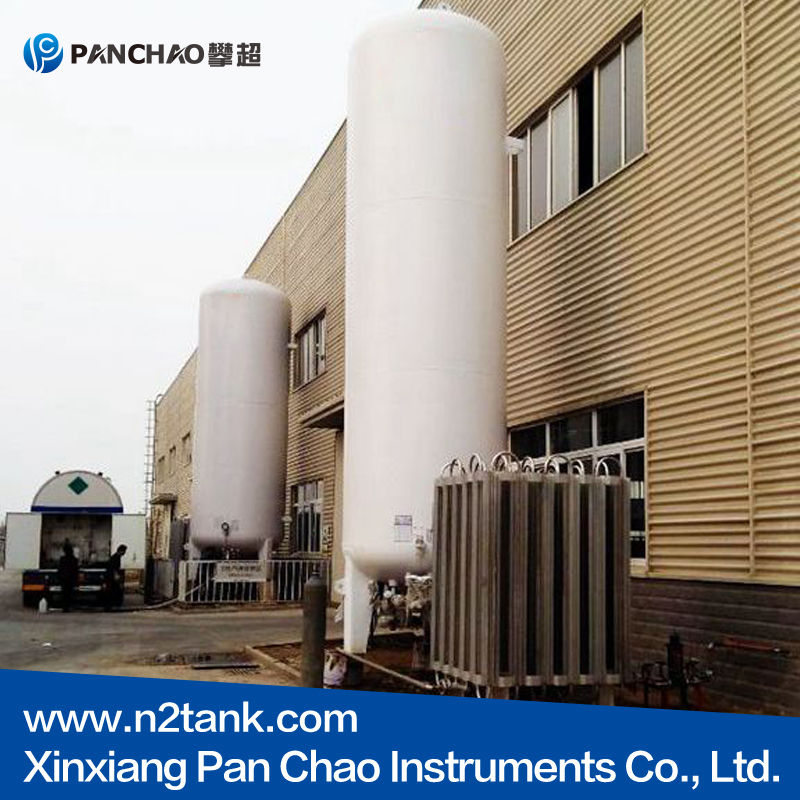
Cryogenic Liquid Tanks are available in vertical or horizonta...[more]
Rankings Of Similar Articles
- Key Control Points in the Vacuum Pumping Process of Liquid Ni
- How to Identify Structural Abnormalities in Liquid Nitrogen C
- How to Maintain Long-Term Vacuum Stability in Liquid Nitrogen
- Why Is the Internal Support Structure of a Liquid Nitrogen Co
- Why Does the Evaporation Rate of Liquid Nitrogen Containers I
- How to Evaluate Liquid Nitrogen Evaporation Using the Weighin
- What Is the Role of Adsorbents in the Vacuum Insulation Layer
- Five Structural Factors Affecting the Insulation Performance
- Why Is the Neck Tube Material of a Liquid Nitrogen Container
- Quality Evaluation Standards for the Vacuum Pumping Process o
Latest Information
- Does Frost on the Outside of a Liquid Nitrogen Tank Always In
- Why Liquid Nitrogen Dewars Should Not Be Stored Empty Long-Te
- How to Understand the Static Evaporation Rate of a Liquid Nit
- Aluminum Alloy vs. Stainless Steel Liquid Nitrogen Tanks: Adv
- The Cooling Principle of Liquid Nitrogen Tanks: How Do They M
- The Vacuum Layer in Liquid Nitrogen Tanks: Invisible but Esse
- Holiday Notice
- Storage Environment Requirements for Liquid Nitrogen Tanks: T
- Hot sale thawing cup
- Storage of liquid nitrogen tank
