
Why Does the Evaporation Rate of Liquid Nitrogen Containers Increase After Long-Term Use?
Liquid nitrogen containers are designed to provide stable cryogenic storage with low evaporation rates. However, after extended use, many users notice that liquid nitrogen consumption gradually increases. This is a common phenomenon, primarily caused by changes in the container’s internal structure and operating conditions over time.
One of the most important reasons is vacuum degradation. The insulation performance of a liquid nitrogen container relies heavily on its vacuum interlayer. Over time, tiny amounts of gas can enter the vacuum space through micro-leakage or material outgassing. As the vacuum level decreases, heat transfer increases, leading to faster evaporation of liquid nitrogen.
Another key factor is the aging of adsorbent materials inside the vacuum layer. Adsorbents are used to absorb residual gases and maintain vacuum stability. After long-term use, their adsorption capacity may gradually decline. Once they become less effective, gas accumulation in the interlayer accelerates the loss of insulation performance.
Neck tube wear and structural changes also contribute to increased evaporation. The neck tube is the primary pathway for heat exchange. Frequent opening, mechanical stress, or minor deformation over time can increase thermal conduction, allowing more heat to enter the container.
In addition, seal and lid performance degradation can affect evaporation rates. Although liquid nitrogen containers are not fully sealed, the lid helps reduce heat exchange with the external environment. Aging or improper fitting can allow more warm air to enter, increasing evaporation.
Environmental and usage factors also play a role. Long-term exposure to higher ambient temperatures, humidity, or frequent handling can accelerate wear and reduce insulation efficiency. Improper usage, such as frequent opening or prolonged exposure to open air, further contributes to higher evaporation.
Finally, material fatigue and micro-damage in the inner or outer vessel may slightly alter thermal performance over time, even if no visible damage is present.
At Zhongpanxin, we design liquid nitrogen containers with high-quality materials, advanced vacuum technology, and durable structures to minimize performance degradation over time. Regular inspection and proper handling can further extend service life and maintain low evaporation rates.
Stable performance requires both excellent design and proper long-term care.
Relevant Information
- How to Evaluate Liquid Nitrogen Evaporation Using the Weighing Method
- What Is the Role of Adsorbents in the Vacuum Insulation Layer of Liquid Nitroge
- Five Structural Factors Affecting the Insulation Performance of Liquid Nitrogen
- Why Can’t Liquid Nitrogen Containers Be Completely Sealed?
- Why Is the Neck Tube Material of a Liquid Nitrogen Container So Critical?
- Quality Evaluation Standards for the Vacuum Pumping Process of Liquid Nitrogen
- Does Frost on the Outside of a Liquid Nitrogen Tank Always Indicate a Quality P
- Analysis of How Storage Environment Affects the Service Life of Liquid Nitrogen
- Why Liquid Nitrogen Dewars Should Not Be Stored Empty Long-Term
- How Is the Design Service Life of a Liquid Nitrogen Tank Determined?
Latest Products
- 110m3 double wall cryogenic Liqu
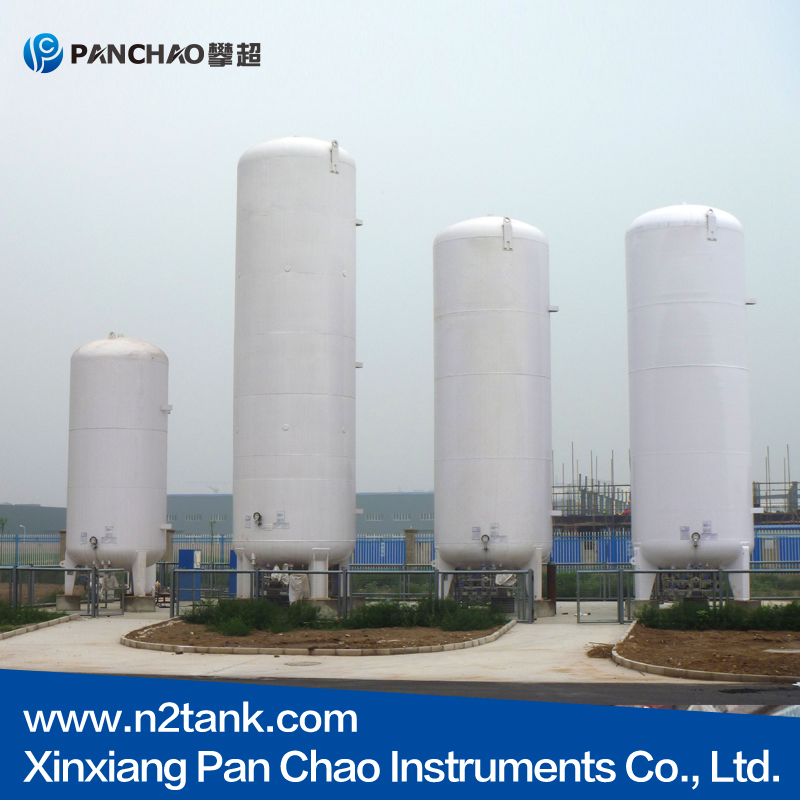
Cryogenic Liquid Tanks are available in vertical or horizonta...[more]
- 2vertical stainless steel pressu
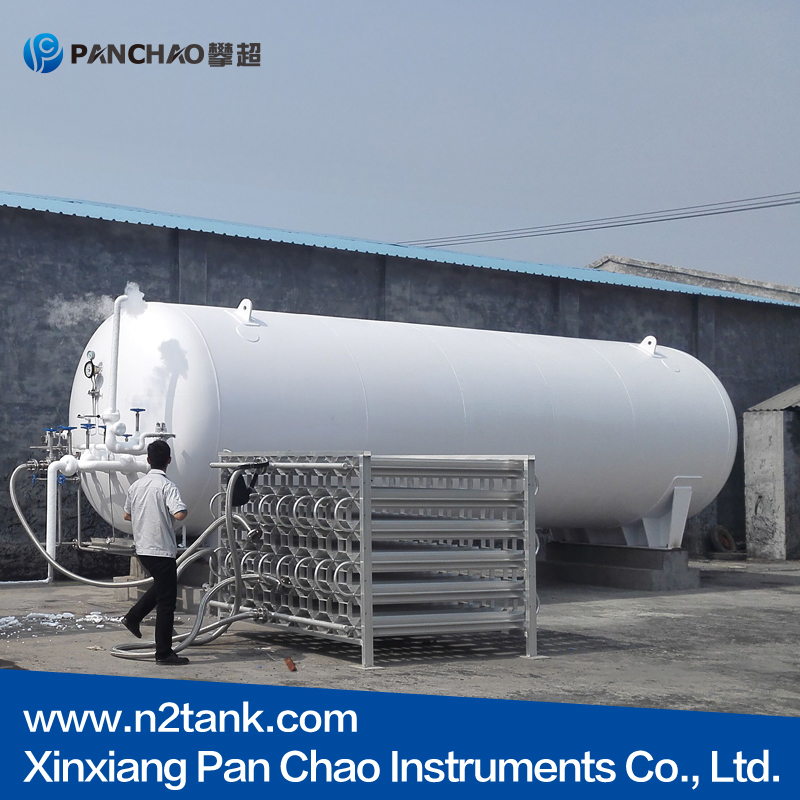
Cryogenic Liquid Tanks are available in vertical or horizonta...[more]
- 310 cubic meters cryogenic Liqui
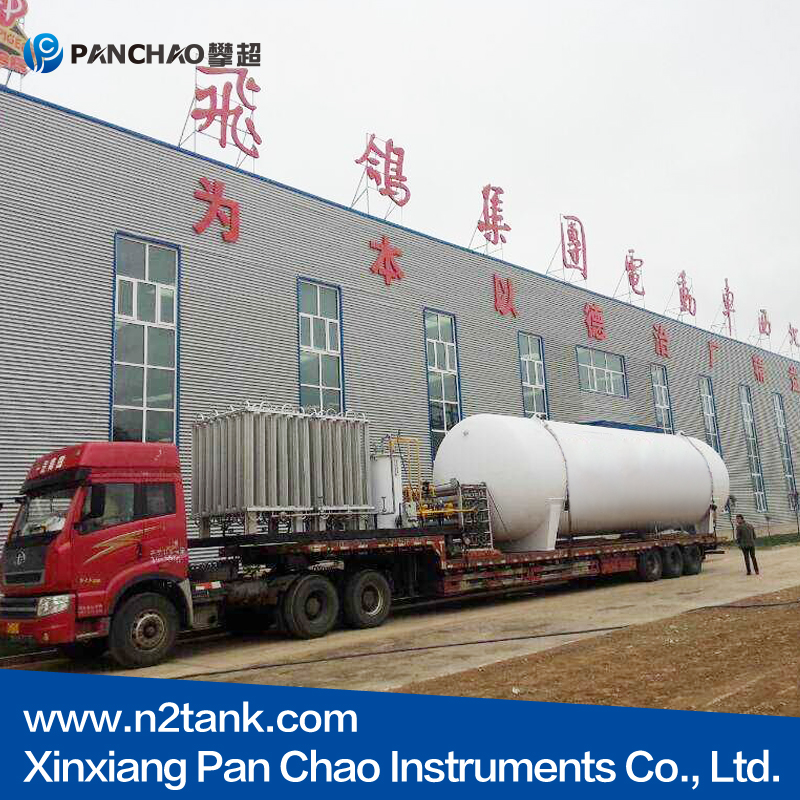
Cryogenic Liquid Tanks are available in vertical or horizonta...[more]
- 4GB150 pressure vessels cryogeni
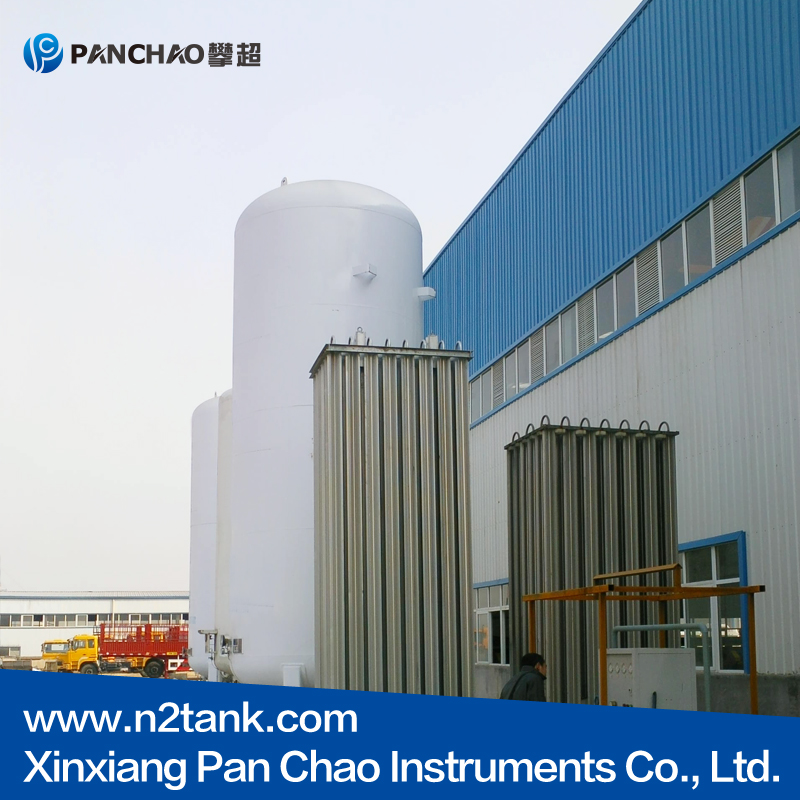
Cryogenic Liquid Tanks are available in vertical or horizonta...[more]
- 5New double Vertical cryogenic L
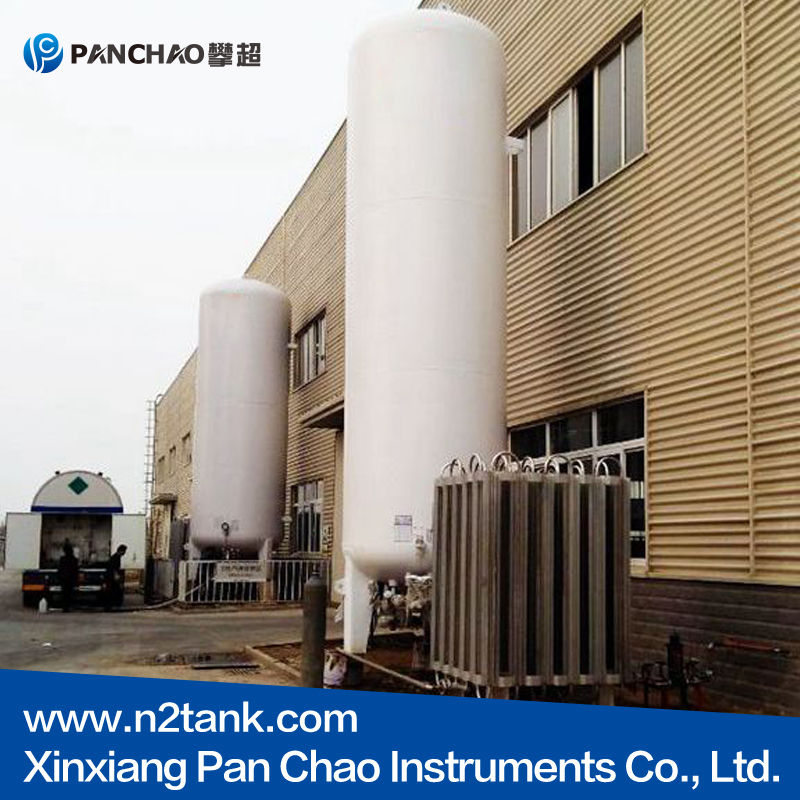
Cryogenic Liquid Tanks are available in vertical or horizonta...[more]
Rankings Of Similar Articles
- How to Evaluate Liquid Nitrogen Evaporation Using the Weighin
- What Is the Role of Adsorbents in the Vacuum Insulation Layer
- Five Structural Factors Affecting the Insulation Performance
- Why Can’t Liquid Nitrogen Containers Be Completely Sealed?
- Why Is the Neck Tube Material of a Liquid Nitrogen Container
- Quality Evaluation Standards for the Vacuum Pumping Process o
- Does Frost on the Outside of a Liquid Nitrogen Tank Always In
- Analysis of How Storage Environment Affects the Service Life
- Why Liquid Nitrogen Dewars Should Not Be Stored Empty Long-Te
- How Is the Design Service Life of a Liquid Nitrogen Tank Dete
Latest Information
- Does Frost on the Outside of a Liquid Nitrogen Tank Always In
- Why Liquid Nitrogen Dewars Should Not Be Stored Empty Long-Te
- How to Understand the Static Evaporation Rate of a Liquid Nit
- Aluminum Alloy vs. Stainless Steel Liquid Nitrogen Tanks: Adv
- The Cooling Principle of Liquid Nitrogen Tanks: How Do They M
- The Vacuum Layer in Liquid Nitrogen Tanks: Invisible but Esse
- Holiday Notice
- Storage Environment Requirements for Liquid Nitrogen Tanks: T
- Hot sale thawing cup
- Storage of liquid nitrogen tank
