
Engineering Logic Behind Material Selection for Liquid Nitrogen Container Inner Vessels
The inner vessel of a liquid nitrogen container is the core component responsible for directly storing cryogenic liquid at −196°C. Its material selection is not arbitrary—it follows a strict engineering logic that balances thermal performance, mechanical strength, safety, and long-term reliability.
The first and most fundamental requirement is cryogenic compatibility. At extremely low temperatures, many materials become brittle and lose their structural integrity. Therefore, the inner vessel must be made from materials that maintain toughness and ductility under cryogenic conditions, such as aluminum alloys or certain grades of stainless steel. These materials resist cracking and deformation even after repeated thermal cycling.
Another key factor is thermal conductivity. While the vacuum insulation layer minimizes external heat transfer, the inner vessel material still influences how heat is distributed within the container. Materials with moderate thermal conductivity help maintain temperature uniformity, preventing localized warming that could accelerate liquid nitrogen evaporation.
Weight and handling efficiency are also important considerations. Aluminum alloys are often preferred in many designs because they offer a strong combination of lightweight structure and adequate strength, making the container easier to transport and operate without compromising durability.
The material must also provide excellent weldability and manufacturing consistency. The inner vessel is typically formed through welding processes, and high-quality weld seams are essential to ensure vacuum integrity and structural safety. Materials that support stable, defect-free welding contribute to longer service life and reduced risk of leakage.
In addition, corrosion resistance plays a role in long-term performance. Although liquid nitrogen itself is inert, the container may be exposed to moisture, air, and other environmental factors. Materials with good resistance to oxidation and corrosion help maintain surface integrity and cleanliness over time.
Finally, engineers must consider cost-effectiveness and application requirements. High-end applications such as biobanking or aerospace may justify the use of premium materials, while standard industrial use may prioritize a balance between performance and cost.
At Zhongpanxin, we apply rigorous engineering standards to select and process inner vessel materials, ensuring optimal performance in cryogenic environments. Our liquid nitrogen containers are designed to deliver durability, efficiency, and safety—meeting the diverse needs of laboratory, medical, and industrial users.
Material selection is not just a choice—it is the foundation of performance.
Relevant Information
- Which Cryogenic Biological Samples Are Suitable for Storage in Liquid Nitrogen
- The Fundamental Reasons Behind Performance Degradation in Liquid Nitrogen Tanks
- Technological Innovation in Liquid Nitrogen Tanks: Smart Monitoring and Remote
- Design Logic of the Inner Canister in Liquid Nitrogen Tanks: How It Protects Sa
- Technological Innovations in Liquid Nitrogen Tanks: Smart Monitoring and Remote
- Why Doesn’t a Liquid Nitrogen Tank Freeze? The Science Behind Vacuum Insulati
- Can Liquid Nitrogen Make Popcorn? Fun Facts Behind the Cryogenic Tank
- The Science Behind Liquid Nitrogen Tanks: How They Trap Extreme Cold
- Application of liquid nitrogen tanks in biological sciences:
- Liquid Nitrogen Tank PanChao Storage Type Liquid Nitrogen Biological Container

Latest Products
- 110m3 double wall cryogenic Liqu
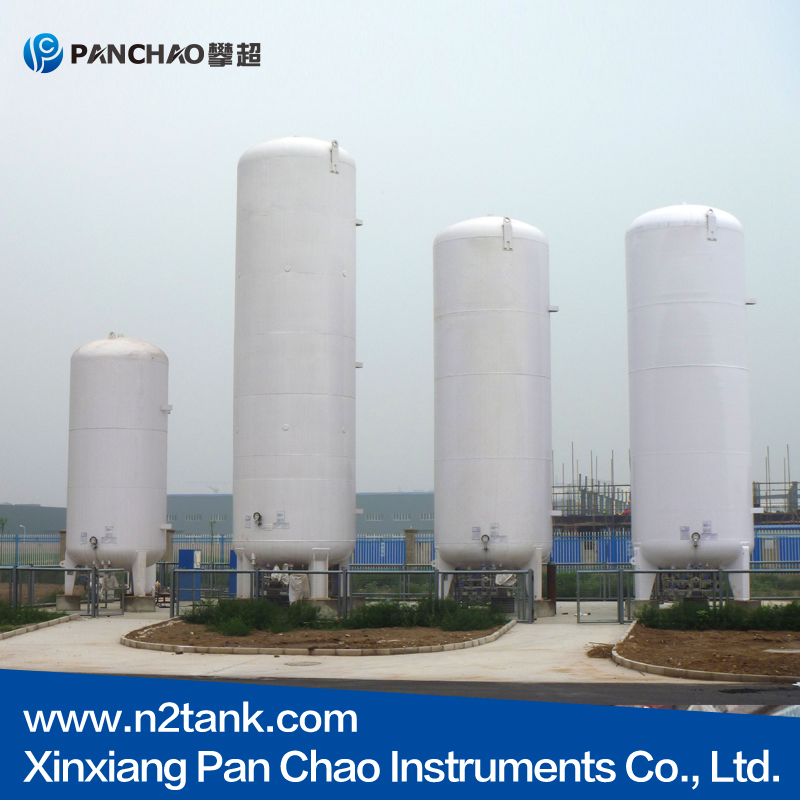
Cryogenic Liquid Tanks are available in vertical or horizonta...[more]
- 2vertical stainless steel pressu
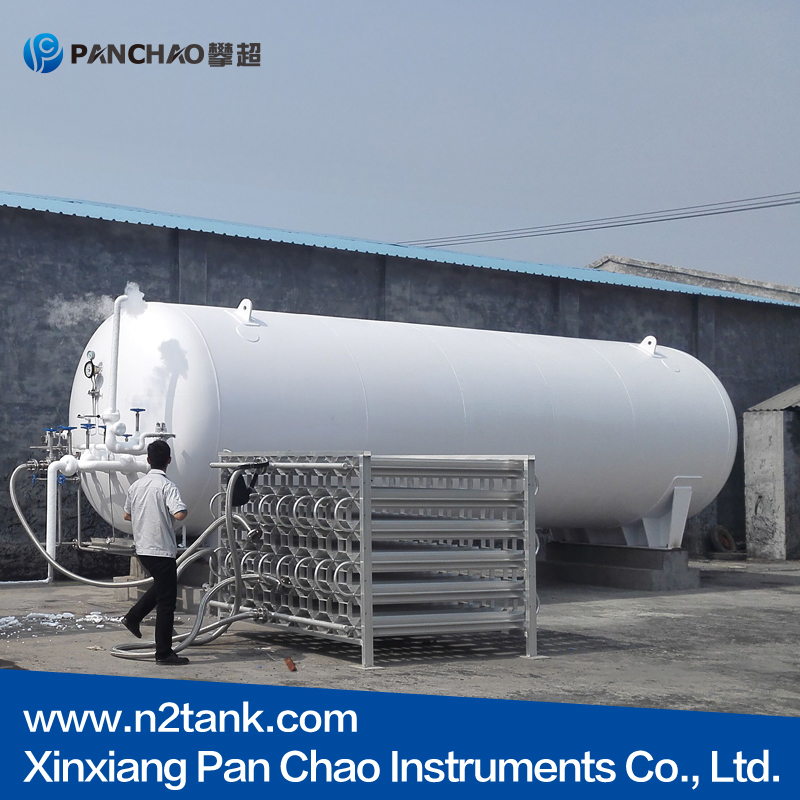
Cryogenic Liquid Tanks are available in vertical or horizonta...[more]
- 310 cubic meters cryogenic Liqui
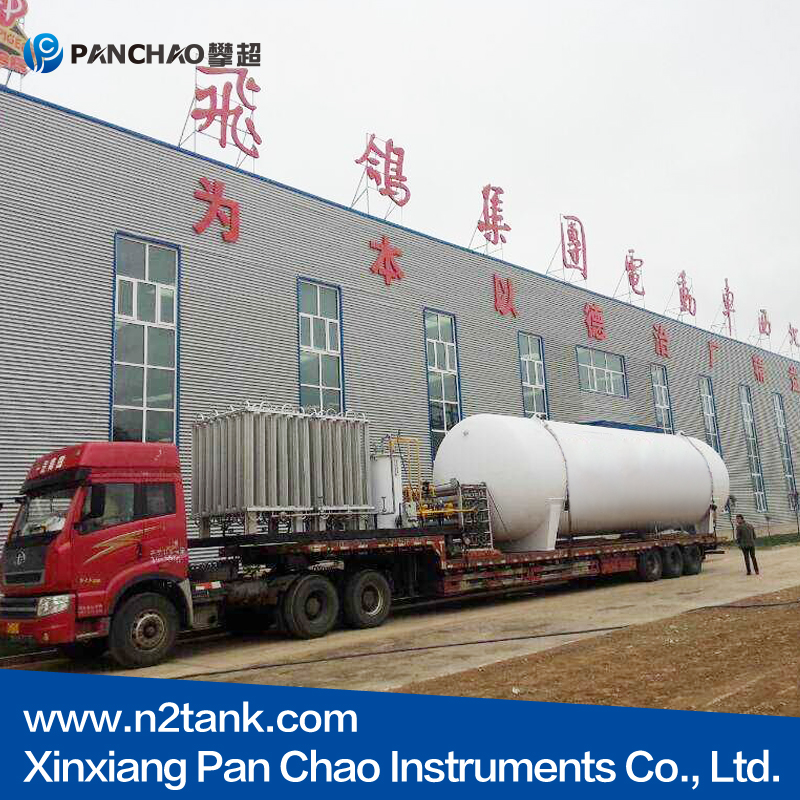
Cryogenic Liquid Tanks are available in vertical or horizonta...[more]
- 4GB150 pressure vessels cryogeni
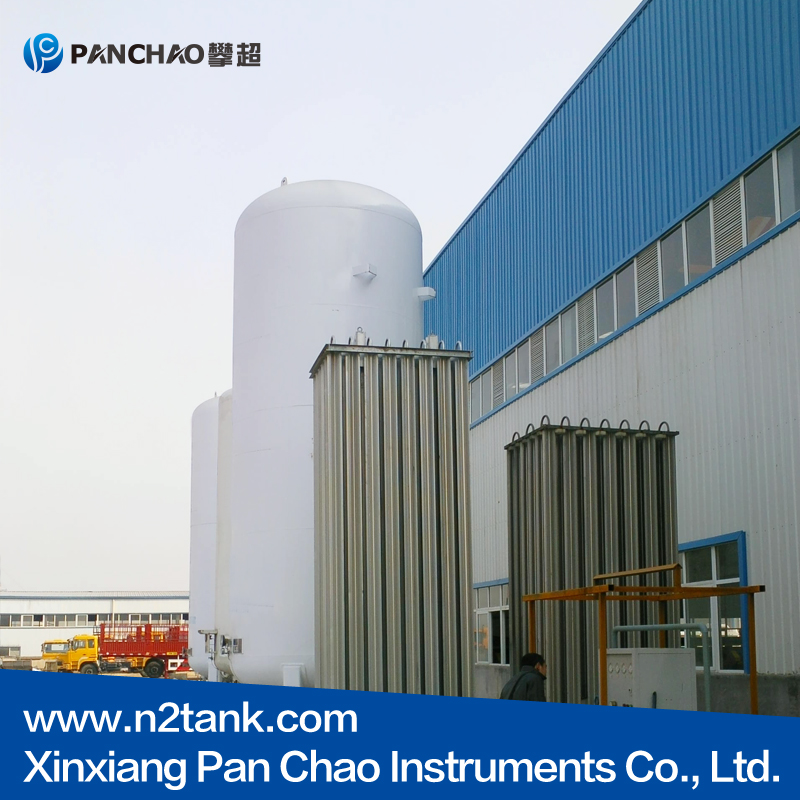
Cryogenic Liquid Tanks are available in vertical or horizonta...[more]
- 5New double Vertical cryogenic L
Cryogenic Liquid Tanks are available in vertical or horizonta...[more]
Rankings Of Similar Articles
- Which Cryogenic Biological Samples Are Suitable for Storage i
- The Fundamental Reasons Behind Performance Degradation in Liq
- Technological Innovation in Liquid Nitrogen Tanks: Smart Moni
- Design Logic of the Inner Canister in Liquid Nitrogen Tanks:
- Technological Innovations in Liquid Nitrogen Tanks: Smart Mon
- Why Doesn’t a Liquid Nitrogen Tank Freeze? The Science Behi
- Can Liquid Nitrogen Make Popcorn? Fun Facts Behind the Cryoge
- The Science Behind Liquid Nitrogen Tanks: How They Trap Extre
- Application of liquid nitrogen tanks in biological sciences:
- Liquid Nitrogen Tank PanChao Storage Type Liquid Nitrogen Bio
Latest Information
- Does Frost on the Outside of a Liquid Nitrogen Tank Always In
- Why Liquid Nitrogen Dewars Should Not Be Stored Empty Long-Te
- How to Understand the Static Evaporation Rate of a Liquid Nit
- Aluminum Alloy vs. Stainless Steel Liquid Nitrogen Tanks: Adv
- The Cooling Principle of Liquid Nitrogen Tanks: How Do They M
- The Vacuum Layer in Liquid Nitrogen Tanks: Invisible but Esse
- Holiday Notice
- Storage Environment Requirements for Liquid Nitrogen Tanks: T
- Hot sale thawing cup
- Storage of liquid nitrogen tank
