
Role of Liquid Nitrogen Containers in Biobanks
Biobanks play a crucial role in modern life sciences, supporting research in genomics, cell biology, and clinical medicine. The long-term preservation of biological samples—such as cells, tissues, blood, and DNA—requires extremely stable and ultra-low temperature conditions. This is where liquid nitrogen containers become indispensable.
The primary function of a liquid nitrogen container in a biobank is to provide cryogenic storage at −196°C. At this temperature, biological activity is almost completely halted, preventing cellular degradation and preserving the integrity of genetic material over extended periods. This makes liquid nitrogen storage essential for maintaining sample viability and research reliability.
Another key role is ensuring long-term stability and consistency. Biobanks often store samples for years or even decades. High-quality liquid nitrogen containers, with advanced vacuum insulation and optimized structural design, can maintain low evaporation rates and stable internal temperatures. This minimizes the need for frequent refilling and reduces the risk of temperature fluctuations that could damage sensitive samples.
Liquid nitrogen containers also support high-density and organized storage. Modern designs include canisters, racks, and indexing systems that allow thousands of samples to be stored efficiently within a single unit. This improves space utilization while enabling quick and accurate sample retrieval—an essential requirement in large-scale biobanking operations.
In addition, these containers play a critical role in biosafety and contamination control. Properly designed systems reduce the risk of cross-contamination between samples and limit exposure to external environmental factors. Some advanced containers are also compatible with vapor-phase storage, further enhancing safety for certain biological materials.
Operational reliability is equally important. Biobanks require equipment that performs consistently under frequent use. Durable neck structures, stable vacuum systems, and high-quality materials ensure that liquid nitrogen containers can withstand daily handling while maintaining performance.
We provide liquid nitrogen containers specifically designed for biobank applications. With superior insulation, optimized storage structures, and strict quality standards, our products help ensure the safe, stable, and long-term preservation of valuable biological samples.
Reliable storage is the foundation of reliable science.
Relevant Information
- Engineering Logic Behind Material Selection for Liquid Nitrogen Container Inner
- How to Evaluate Liquid Nitrogen Evaporation Using the Weighing Method
- What Is the Role of Adsorbents in the Vacuum Insulation Layer of Liquid Nitroge
- Five Structural Factors Affecting the Insulation Performance of Liquid Nitrogen
- Why Can’t Liquid Nitrogen Containers Be Completely Sealed?
- Why Is the Neck Tube Material of a Liquid Nitrogen Container So Critical?
- Difference Between Static Evaporation Rate and Actual Evaporation Rate of Liqui
- Quality Evaluation Standards for the Vacuum Pumping Process of Liquid Nitrogen
- Five Common Operational Mistakes When Using Liquid Nitrogen Tanks
- Does Frost on the Outside of a Liquid Nitrogen Tank Always Indicate a Quality P
Latest Products
- 110m3 double wall cryogenic Liqu
Cryogenic Liquid Tanks are available in vertical or horizonta...[more]
- 2vertical stainless steel pressu
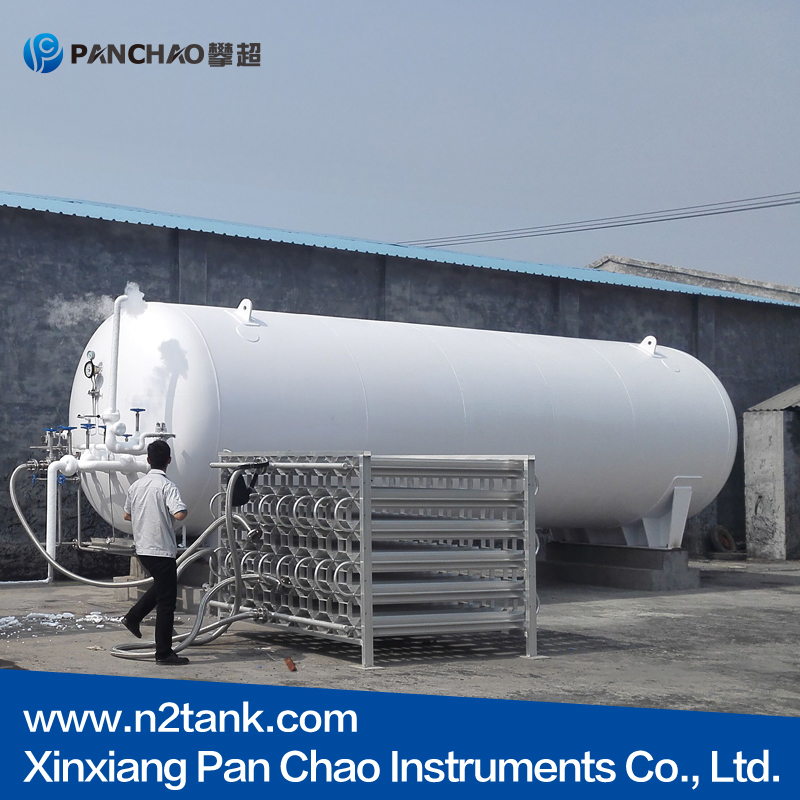
Cryogenic Liquid Tanks are available in vertical or horizonta...[more]
- 310 cubic meters cryogenic Liqui
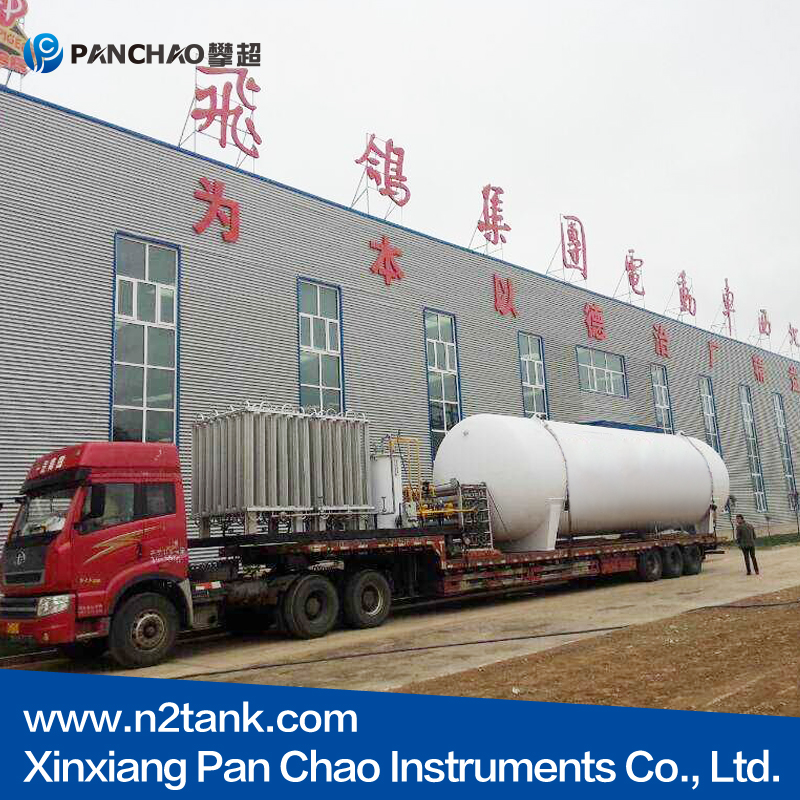
Cryogenic Liquid Tanks are available in vertical or horizonta...[more]
- 4GB150 pressure vessels cryogeni
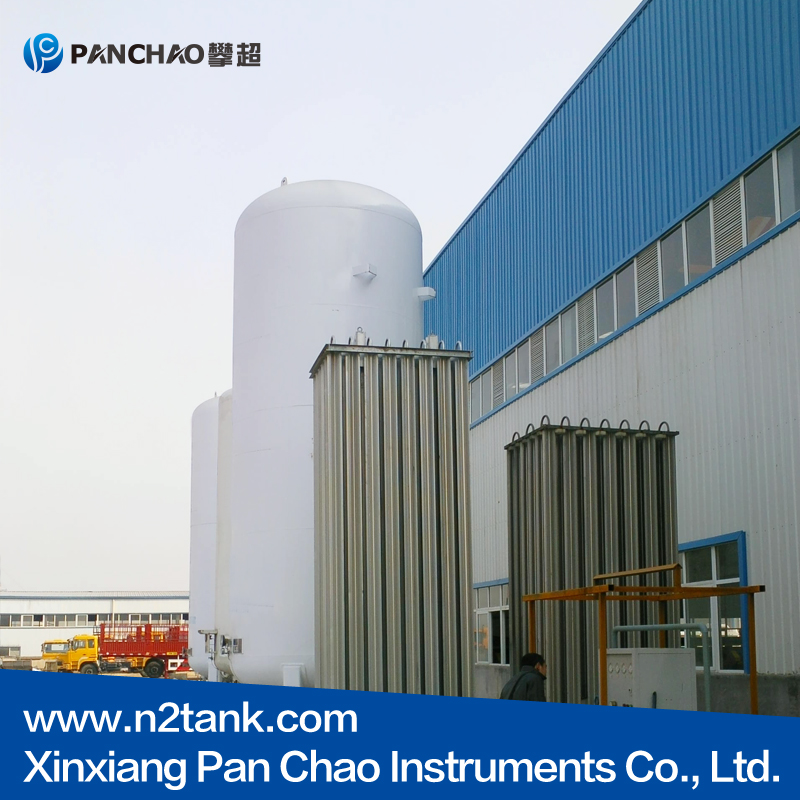
Cryogenic Liquid Tanks are available in vertical or horizonta...[more]
- 5New double Vertical cryogenic L
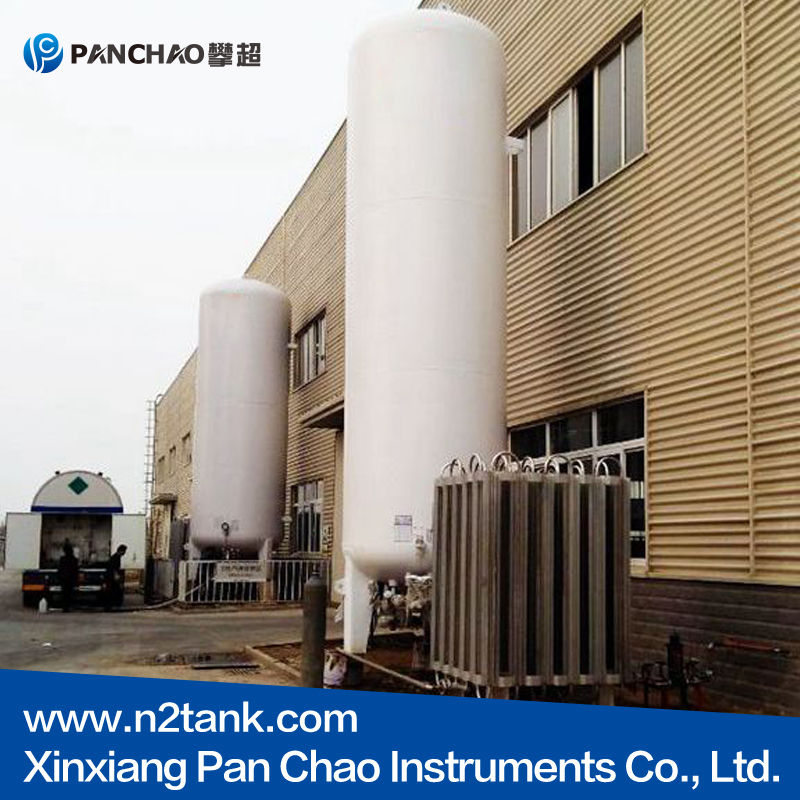
Cryogenic Liquid Tanks are available in vertical or horizonta...[more]
Rankings Of Similar Articles
- Engineering Logic Behind Material Selection for Liquid Nitrog
- How to Evaluate Liquid Nitrogen Evaporation Using the Weighin
- What Is the Role of Adsorbents in the Vacuum Insulation Layer
- Five Structural Factors Affecting the Insulation Performance
- Why Can’t Liquid Nitrogen Containers Be Completely Sealed?
- Why Is the Neck Tube Material of a Liquid Nitrogen Container
- Difference Between Static Evaporation Rate and Actual Evapora
- Quality Evaluation Standards for the Vacuum Pumping Process o
- Five Common Operational Mistakes When Using Liquid Nitrogen T
- Does Frost on the Outside of a Liquid Nitrogen Tank Always In
Latest Information
- Does Frost on the Outside of a Liquid Nitrogen Tank Always In
- Why Liquid Nitrogen Dewars Should Not Be Stored Empty Long-Te
- How to Understand the Static Evaporation Rate of a Liquid Nit
- Aluminum Alloy vs. Stainless Steel Liquid Nitrogen Tanks: Adv
- The Cooling Principle of Liquid Nitrogen Tanks: How Do They M
- The Vacuum Layer in Liquid Nitrogen Tanks: Invisible but Esse
- Holiday Notice
- Storage Environment Requirements for Liquid Nitrogen Tanks: T
- Hot sale thawing cup
- Storage of liquid nitrogen tank
