
Why Samples Should Not Be Plunged Straight into Liquid Nitrogen?
Editor:adminClick:
Time:2026-10-22 09:08
Cryopreservation is often reduced to a simple rule: the lower the temperature and the faster the cooling, the better. In practice it is not so. What determines whether a sample survives is frequently not the final temperature but the way it gets there.
Water is the problem. Cells contain a great deal of it, and below freezing it solidifies, expands and forms angular ice crystals. These crystals can puncture membranes and organelles, causing mechanical damage that is difficult to reverse. At the same time, water outside the cell freezes first, raising the solute concentration of the remaining solution; osmotic pressure then draws water out of the cell, which shrivels and dehydrates. Ice-crystal injury and this "solution effect" are the two principal sources of damage during freezing.
Two technical paths follow. The first is controlled-rate cooling: the temperature is lowered gradually so that water leaves the cell in an orderly fashion and intracellular ice is minimised, with cryoprotectants such as dimethyl sulfoxide or glycerol used to depress the freezing point and moderate solute concentration. The second is vitrification: a very high cooling rate combined with a higher concentration of protectant, so that water has no time to arrange itself into crystals and instead becomes an amorphous glassy state, sidestepping ice altogether. The two approaches differ considerably in their requirements for cooling rate and reagent formulation.
The relevance to a liquid nitrogen tank is a division of labour: the tank handles storage, while the cooling process handles entry. Dropping a sample straight into liquid nitrogen abandons rate control altogether. In practice, cooling is completed in a controlled-rate freezer before transfer to the tank, or the vapour zone is used as an intermediate step, with racks and boxes pre-cooled to lessen thermal shock. Thawing matters just as much, and rapid rewarming is generally recommended to avoid recrystallisation during warming.
The outcome of cryopreservation is often decided before the sample ever reaches the tank.
Keywords:
Relevant Information
- Why Temperature Inside a Liquid Nitrogen Tank Is Not Uniform
- Keep Your Samples Safe with Our Liquid Nitrogen Tanks
- Why Should a Liquid Nitrogen Tank Not Be Placed Directly on a Concrete Floor? —
- Why Must a Liquid Nitrogen Tank Be Pre-Cooled Before Use? — Preventing Therma
- Why Is the Neck Plug of a Liquid Nitrogen Tank Not Solid? — Unveiling the Str
- How Liquid Nitrogen Tanks Preserve Long-Term Viability of Biological Samples
- How to Avoid Cross-Contamination of Samples in Liquid Nitrogen Tanks
- Why Are Liquid Nitrogen Tanks Made of Aerospace-Grade Aluminum?
- Why Does Vacuum Degree Determine LN₂ Tank Thermal Performance?
- Why Does Sight Glass Sometimes “Self-Explode”? Causes and Preventive Measur

Latest Products
- 110m3 double wall cryogenic Liqu

Cryogenic Liquid Tanks are available in vertical or horizonta...[more]
- 2vertical stainless steel pressu
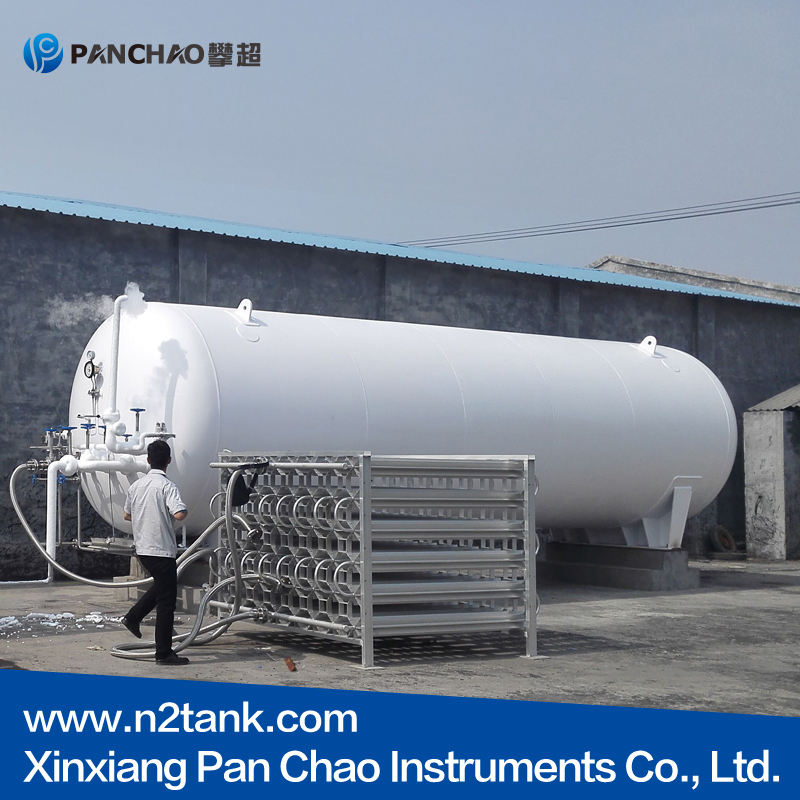
Cryogenic Liquid Tanks are available in vertical or horizonta...[more]
- 310 cubic meters cryogenic Liqui
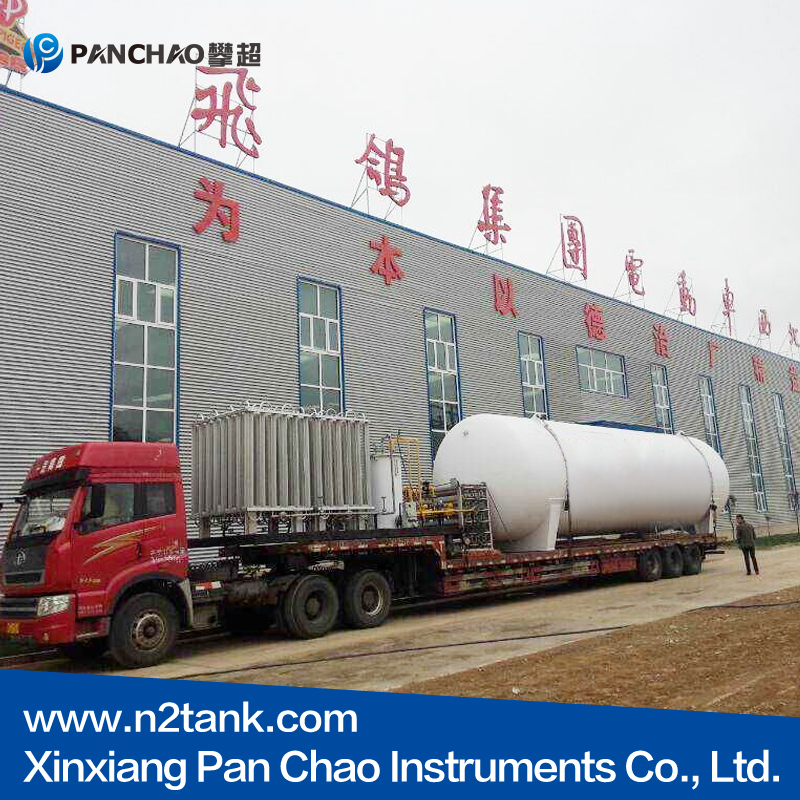
Cryogenic Liquid Tanks are available in vertical or horizonta...[more]
- 4GB150 pressure vessels cryogeni

Cryogenic Liquid Tanks are available in vertical or horizonta...[more]
- 5New double Vertical cryogenic L
Cryogenic Liquid Tanks are available in vertical or horizonta...[more]
Rankings Of Similar Articles
- Why Temperature Inside a Liquid Nitrogen Tank Is Not Uniform
- Keep Your Samples Safe with Our Liquid Nitrogen Tanks
- Why Should a Liquid Nitrogen Tank Not Be Placed Directly on a
- Why Must a Liquid Nitrogen Tank Be Pre-Cooled Before Use? —
- Why Is the Neck Plug of a Liquid Nitrogen Tank Not Solid? —
- How Liquid Nitrogen Tanks Preserve Long-Term Viability of Bio
- How to Avoid Cross-Contamination of Samples in Liquid Nitroge
- Why Are Liquid Nitrogen Tanks Made of Aerospace-Grade Aluminu
- Why Does Vacuum Degree Determine LN₂ Tank Thermal Performan
- Why Does Sight Glass Sometimes “Self-Explode”? Causes and
Latest Information
- Liquid Nitrogen Storage Tanks: Stable Low Temperature for Ev
- Why Samples Should Not Be Plunged Straight into Liquid Nitrog
- Where Liquid Nitrogen Comes From: From Air to −196 °C
- Frost on a Liquid Nitrogen Tank: Normal or a Warning Sign?
- Why Temperature Inside a Liquid Nitrogen Tank Is Not Uniform
- How a Liquid Nitrogen Tank "Freezes Time": Inside −196 °
- Liquid Nitrogen Tanks: A Practical Guide to Cryogenic Storage
- Keep Your Samples Safe with Our Liquid Nitrogen Tanks
- Liquid Nitrogen Storage Tanks: Safe, Efficient, and Reliable
- Does Frost on the Outside of a Liquid Nitrogen Tank Always In
