
Why Temperature Inside a Liquid Nitrogen Tank Is Not Uniform
Editor:adminClick:
Time:2026-10-16 09:50
It is often assumed that the interior of a liquid nitrogen tank sits uniformly at −196 °C. In reality a temperature gradient runs from the bottom of the vessel upwards, and this detail directly affects how samples should be positioned.
At normal pressure liquid nitrogen boils at about −196 °C. The liquid phase settles at the bottom, while the space above it is filled with vapour released by evaporation. The zone closest to the liquid surface is coldest; temperature rises towards the neck. Because of heat exchange through the neck tube and heat leaking in from the surroundings, the area near the opening may reach −150 °C or warmer. Samples stored in the same tank can therefore experience temperatures differing by several tens of degrees depending on their position.
This gradient leads to two practical conclusions. First, samples that are more sensitive to temperature should be kept below the liquid surface or in the cold zone just above it, rather than near the neck. Second, both storage modes involve trade-offs. Liquid-phase storage offers a more stable temperature closer to the theoretical boiling point, but carries a potential risk of cross-contamination between vials. Vapour-phase storage substantially reduces that risk, at the cost of a slightly higher temperature and the need for more careful level management.
In daily practice it is worth measuring temperatures at several heights, mapping the tank's internal profile and assigning storage zones and sample priorities accordingly. Reducing how often the lid is opened and how long it stays open helps keep the gradient stable. When raising or lowering racks, swift handling limits the time samples spend in warmer zones, since repeated warming and cooling is unfavourable to sample condition.
Recognising that temperature inside a tank is not uniform invites a fresh look at everyday handling routines. The reliability of cryogenic storage often rests on details like these.
Keywords:
Relevant Information
- How a Liquid Nitrogen Tank "Freezes Time": Inside −196 °C
- Why Should a Liquid Nitrogen Tank Not Be Placed Directly on a Concrete Floor? —
- Why Must a Liquid Nitrogen Tank Be Pre-Cooled Before Use? — Preventing Therma
- How to Choose Between "Canisters" and "Racks" Inside a Liquid Nitrogen
- Why Is the Neck Plug of a Liquid Nitrogen Tank Not Solid? — Unveiling the Str
- The Role of Liquid Nitrogen Tanks in Vaccine Development: Ensuring Low-Temperat
- Why Are Liquid Nitrogen Tanks Made of Aerospace-Grade Aluminum?
- Why Does Vacuum Degree Determine LN₂ Tank Thermal Performance?
- Is the Temperature Distribution Inside a Liquid Nitrogen Container Uniform?
- Why Does Sight Glass Sometimes “Self-Explode”? Causes and Preventive Measur


Latest Products
- 110m3 double wall cryogenic Liqu

Cryogenic Liquid Tanks are available in vertical or horizonta...[more]
- 2vertical stainless steel pressu
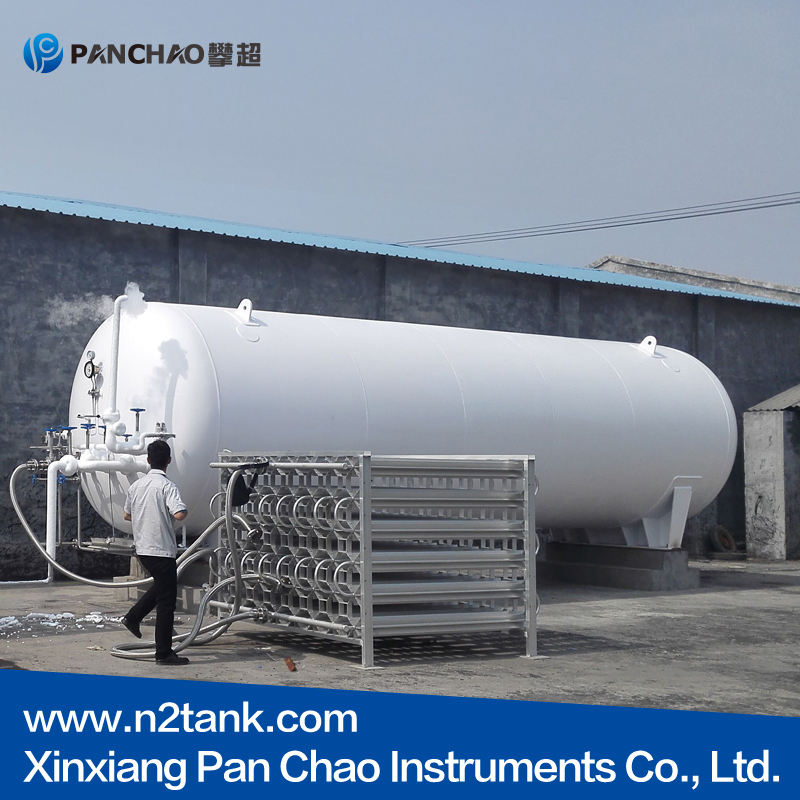
Cryogenic Liquid Tanks are available in vertical or horizonta...[more]
- 310 cubic meters cryogenic Liqui
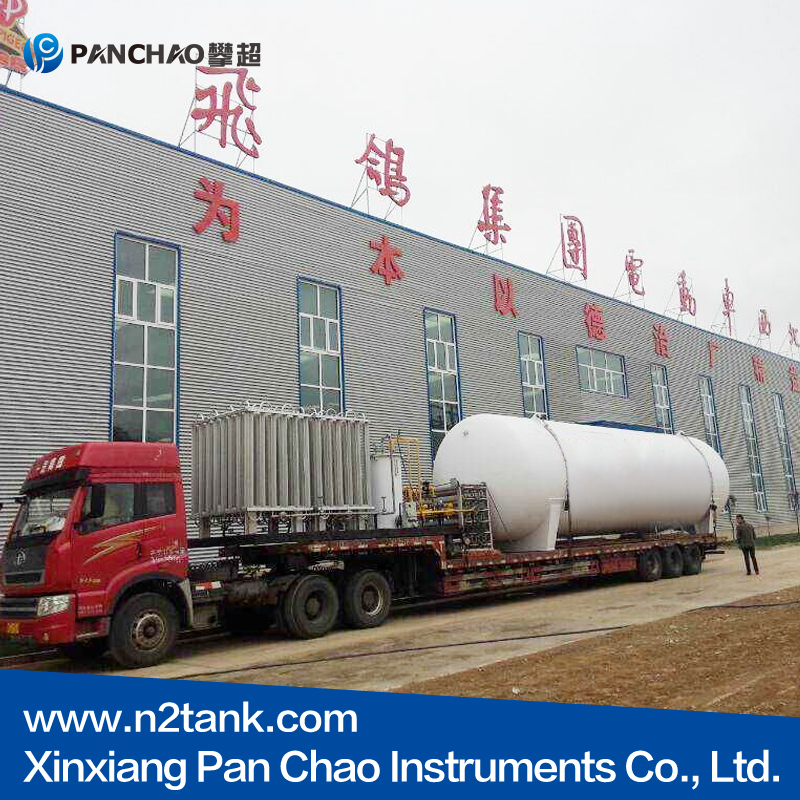
Cryogenic Liquid Tanks are available in vertical or horizonta...[more]
- 4GB150 pressure vessels cryogeni
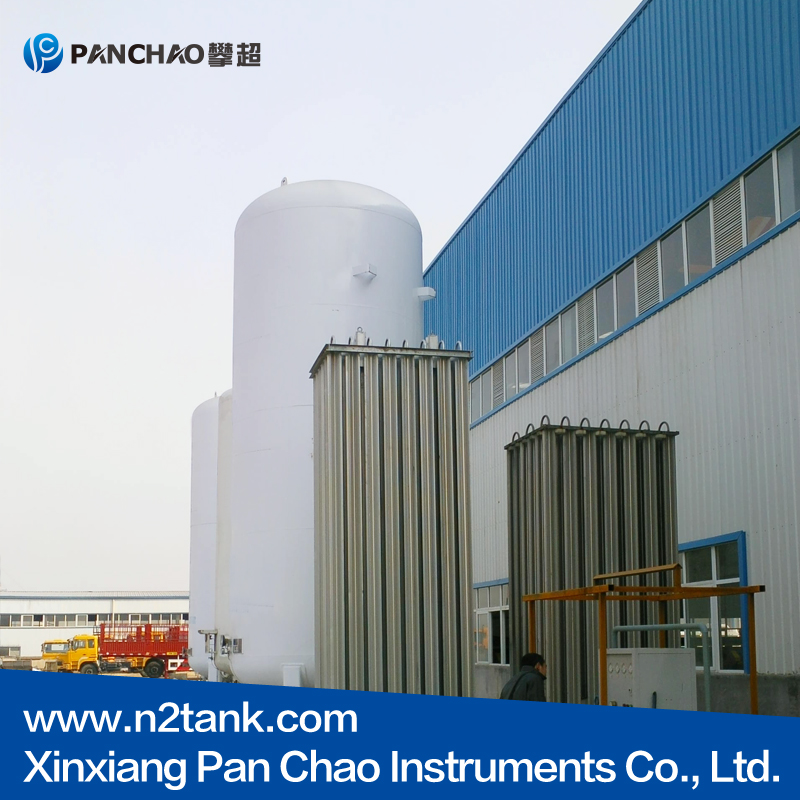
Cryogenic Liquid Tanks are available in vertical or horizonta...[more]
- 5New double Vertical cryogenic L
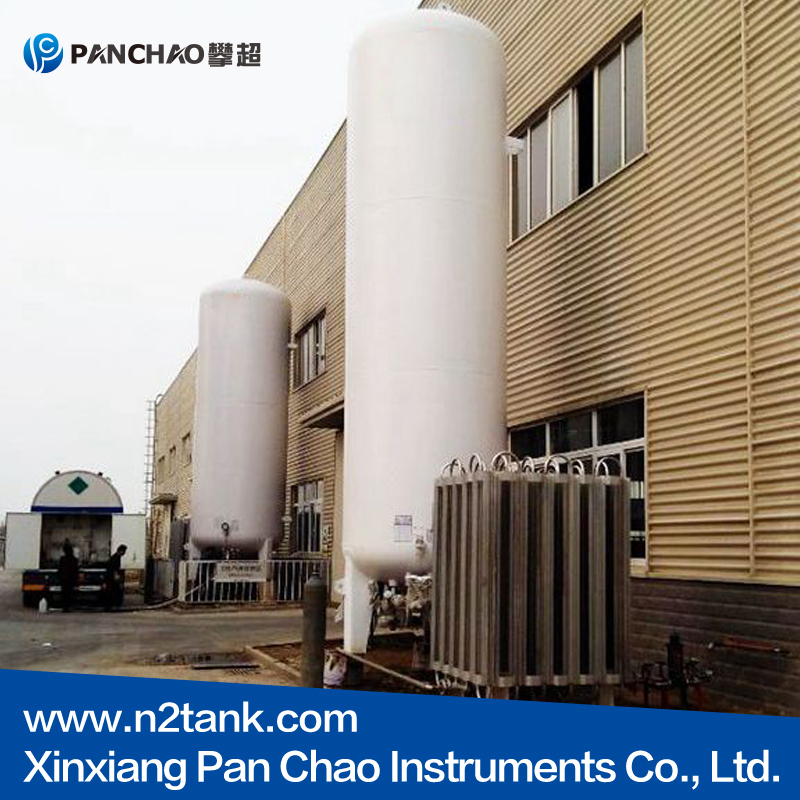
Cryogenic Liquid Tanks are available in vertical or horizonta...[more]
Rankings Of Similar Articles
- How a Liquid Nitrogen Tank "Freezes Time": Inside −196 °
- Why Should a Liquid Nitrogen Tank Not Be Placed Directly on a
- Why Must a Liquid Nitrogen Tank Be Pre-Cooled Before Use? —
- How to Choose Between "Canisters" and "Racks" Inside
- Why Is the Neck Plug of a Liquid Nitrogen Tank Not Solid? —
- The Role of Liquid Nitrogen Tanks in Vaccine Development: Ens
- Why Are Liquid Nitrogen Tanks Made of Aerospace-Grade Aluminu
- Why Does Vacuum Degree Determine LN₂ Tank Thermal Performan
- Is the Temperature Distribution Inside a Liquid Nitrogen Cont
- Why Does Sight Glass Sometimes “Self-Explode”? Causes and
Latest Information
- Frost on a Liquid Nitrogen Tank: Normal or a Warning Sign?
- Why Temperature Inside a Liquid Nitrogen Tank Is Not Uniform
- How a Liquid Nitrogen Tank "Freezes Time": Inside −196 °
- Liquid Nitrogen Tanks: A Practical Guide to Cryogenic Storage
- Keep Your Samples Safe with Our Liquid Nitrogen Tanks
- Liquid Nitrogen Storage Tanks: Safe, Efficient, and Reliable
- Does Frost on the Outside of a Liquid Nitrogen Tank Always In
- Why Liquid Nitrogen Dewars Should Not Be Stored Empty Long-Te
- How to Understand the Static Evaporation Rate of a Liquid Nit
- Aluminum Alloy vs. Stainless Steel Liquid Nitrogen Tanks: Adv
