
Liquid Nitrogen Tanks: A Practical Guide to Cryogenic Storage
Editor:adminClick:
Time:2026-10-14 17:09
A liquid nitrogen tank, also called a cryogenic container or LN2 dewar, is a specialised vessel designed for the long-term storage of temperature-sensitive materials. With a boiling point of about −196 °C, liquid nitrogen slows cellular metabolism to a near halt, allowing biological samples to remain viable for extended periods. This makes the tank a fundamental piece of equipment in biomedicine, animal breeding and research laboratories.
Structurally, most tanks are manufactured from aluminium alloy or stainless steel. A high-vacuum interlayer between the inner vessel and the outer shell, combined with multi-layer insulation, minimises heat ingress and reduces nitrogen evaporation. By function they fall into three categories: storage tanks, optimised for a low static evaporation rate during stationary use; transport tanks, built with shock-resistant supports for moving samples; and self-pressurizing tanks, which use internal pressure to discharge liquid nitrogen and refill other units.
Applications are wide-ranging. In medicine and life sciences, tanks preserve cell lines, vaccines, blood products and reproductive cells. In animal husbandry they store frozen semen and embryos. In industry they support shrink-fit assembly, cryogenic treatment of materials and superconductivity experiments. As precision medicine and assisted reproduction expand, large-scale biobanks are driving demand for greater capacity and smarter equipment, with automatic level monitoring, remote temperature alarms and intelligent refill systems becoming increasingly common.
Safe operation matters as much as performance. Tanks should stand upright in a well-ventilated, shaded and secure area, and operators are advised to wear cryogenic gloves and eye protection, as direct contact with cold surfaces can cause frostbite. Routine maintenance includes checking liquid levels, recording consumption and inspecting for vacuum loss or abnormal frosting. When selecting a unit, it is worth weighing effective capacity, neck diameter, static evaporation rate and access method against total running cost.
Though it is basic infrastructure, a liquid nitrogen tank safeguards sample integrity and research quality. Choosing, operating and maintaining it properly is the key to reliable cryogenic storage.
Keywords:
Relevant Information
- How a Liquid Nitrogen Tank "Freezes Time": Inside −196 °C
- Keep Your Samples Safe with Our Liquid Nitrogen Tanks
- Liquid Nitrogen Storage Tanks: Safe, Efficient, and Reliable Cryogenic Storage
- How to Maintain Liquid Nitrogen Tanks for Long-Term Biological Sample Storage
- Is It Really Necessary to Install a "Liquid Level Alarm" on a Liquid Nitrog
- Does a Liquid Nitrogen Tank Have to Be Scrapped Once Its "Vacuum Warranty Per
- Why Should a Liquid Nitrogen Tank Not Be Placed Directly on a Concrete Floor? —
- Why Must a Liquid Nitrogen Tank Be Pre-Cooled Before Use? — Preventing Therma
- How to Choose Between "Canisters" and "Racks" Inside a Liquid Nitrogen
- Why Is the Neck Plug of a Liquid Nitrogen Tank Not Solid? — Unveiling the Str


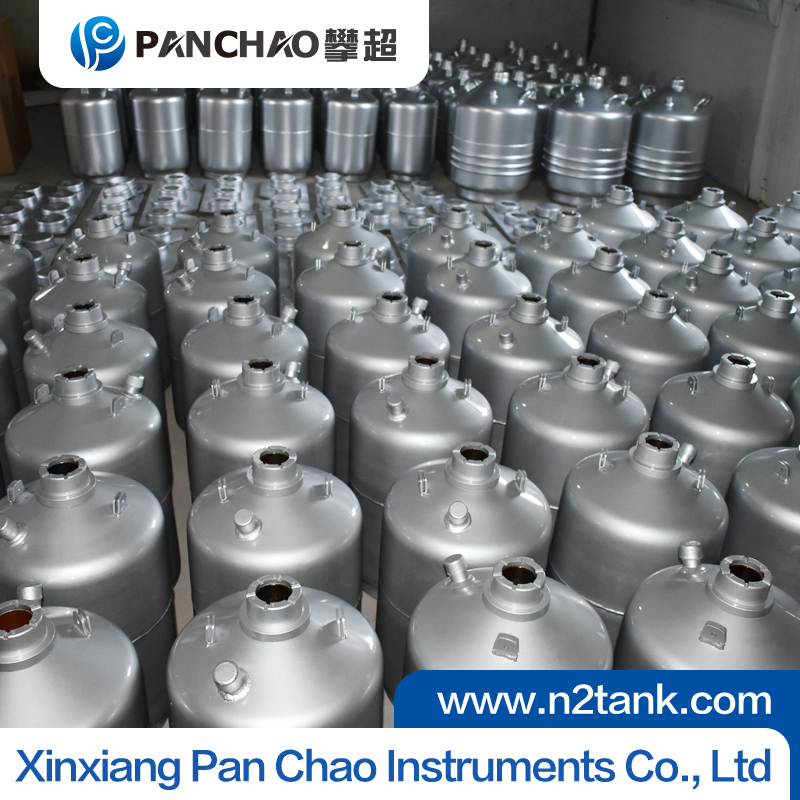
Latest Products
- 110m3 double wall cryogenic Liqu
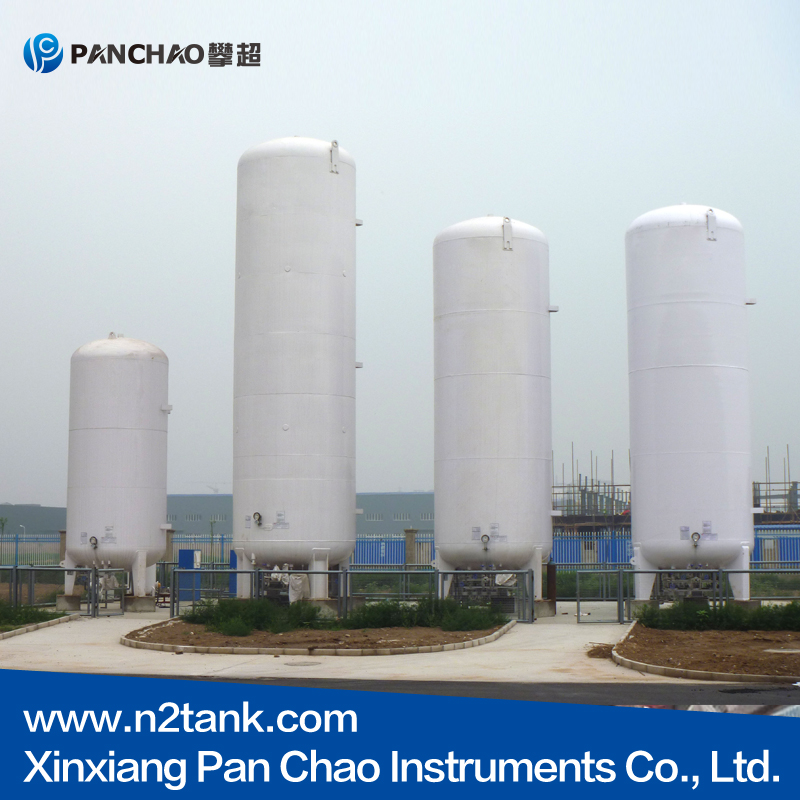
Cryogenic Liquid Tanks are available in vertical or horizonta...[more]
- 2vertical stainless steel pressu
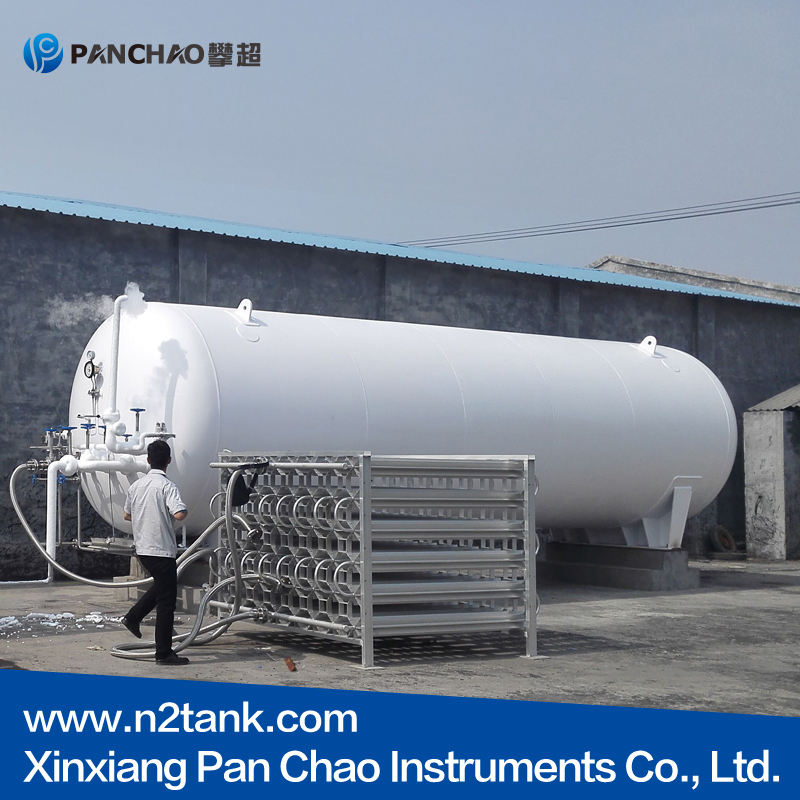
Cryogenic Liquid Tanks are available in vertical or horizonta...[more]
- 310 cubic meters cryogenic Liqui
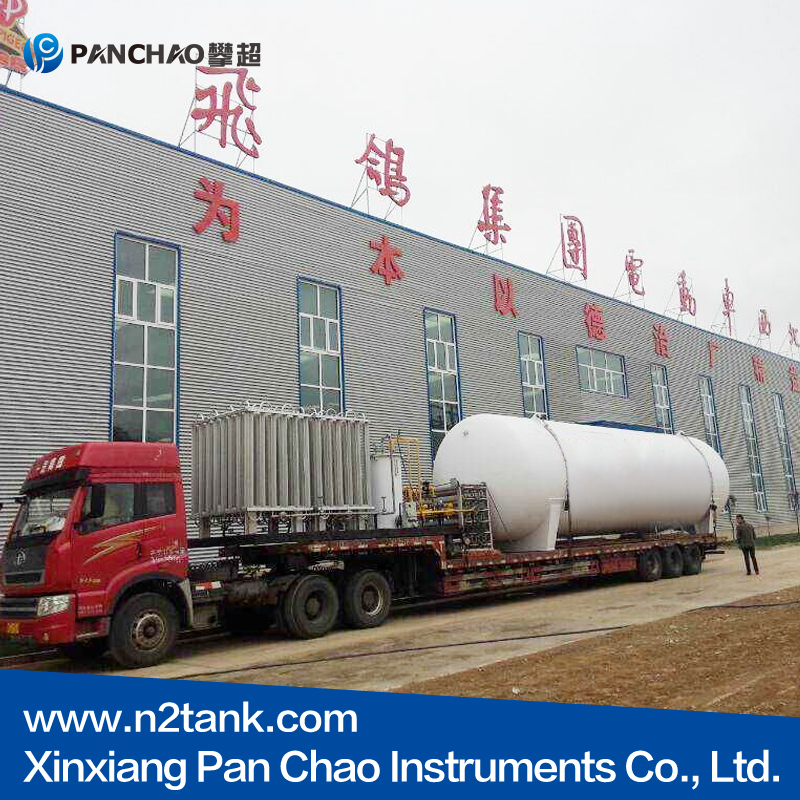
Cryogenic Liquid Tanks are available in vertical or horizonta...[more]
- 4GB150 pressure vessels cryogeni
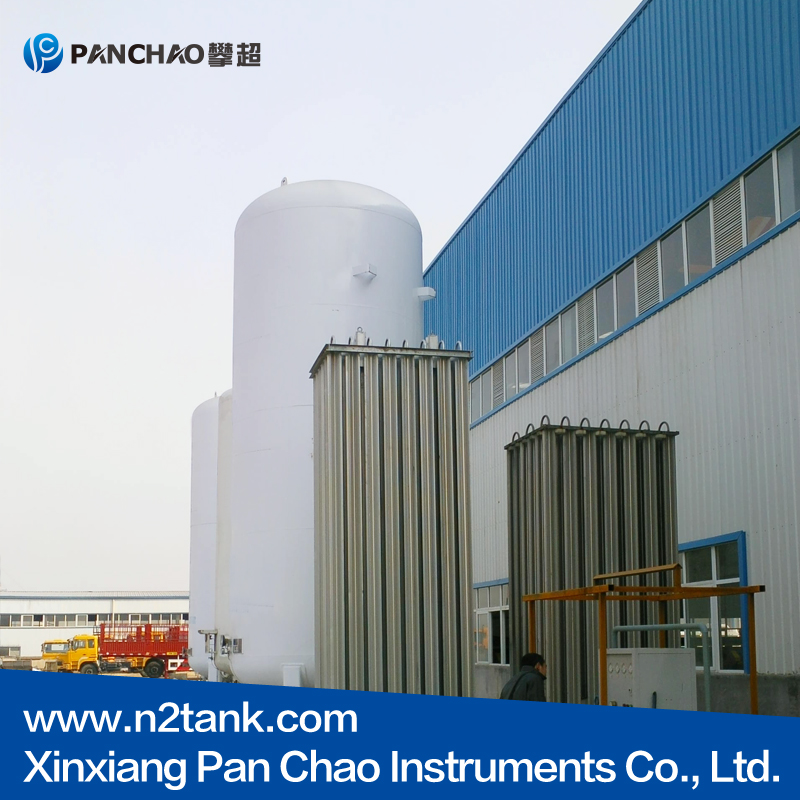
Cryogenic Liquid Tanks are available in vertical or horizonta...[more]
- 5New double Vertical cryogenic L
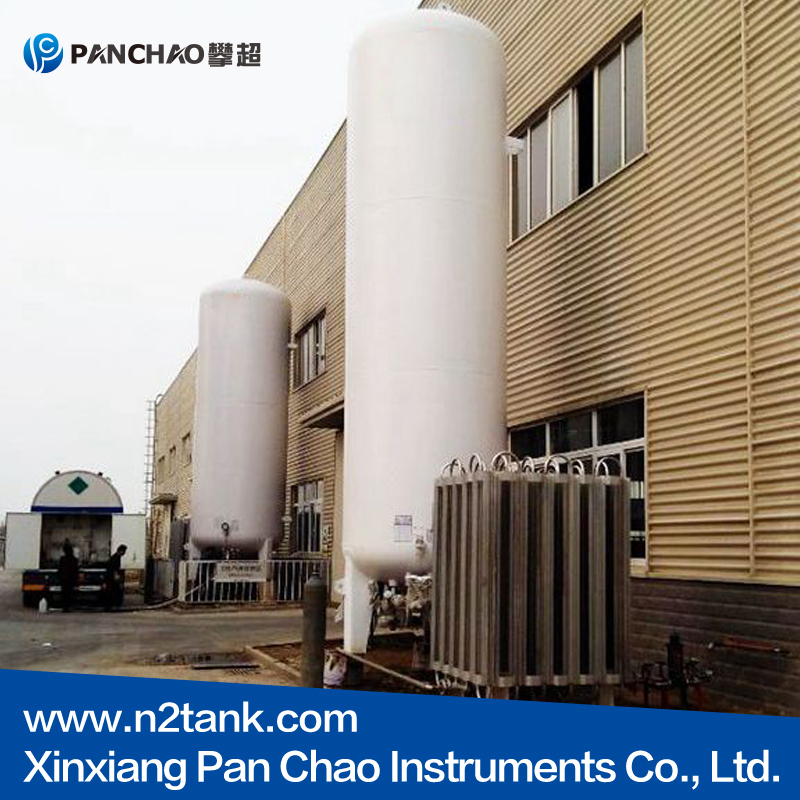
Cryogenic Liquid Tanks are available in vertical or horizonta...[more]
Rankings Of Similar Articles
- How a Liquid Nitrogen Tank "Freezes Time": Inside −196 °
- Keep Your Samples Safe with Our Liquid Nitrogen Tanks
- Liquid Nitrogen Storage Tanks: Safe, Efficient, and Reliable
- How to Maintain Liquid Nitrogen Tanks for Long-Term Biologica
- Is It Really Necessary to Install a "Liquid Level Alarm"
- Does a Liquid Nitrogen Tank Have to Be Scrapped Once Its "V
- Why Should a Liquid Nitrogen Tank Not Be Placed Directly on a
- Why Must a Liquid Nitrogen Tank Be Pre-Cooled Before Use? —
- How to Choose Between "Canisters" and "Racks" Inside
- Why Is the Neck Plug of a Liquid Nitrogen Tank Not Solid? —
Latest Information
- How a Liquid Nitrogen Tank "Freezes Time": Inside −196 °
- Liquid Nitrogen Tanks: A Practical Guide to Cryogenic Storage
- Keep Your Samples Safe with Our Liquid Nitrogen Tanks
- Liquid Nitrogen Storage Tanks: Safe, Efficient, and Reliable
- Does Frost on the Outside of a Liquid Nitrogen Tank Always In
- Why Liquid Nitrogen Dewars Should Not Be Stored Empty Long-Te
- How to Understand the Static Evaporation Rate of a Liquid Nit
- Aluminum Alloy vs. Stainless Steel Liquid Nitrogen Tanks: Adv
- The Cooling Principle of Liquid Nitrogen Tanks: How Do They M
- The Vacuum Layer in Liquid Nitrogen Tanks: Invisible but Esse
