
Why Are Multi-Layer Reflective Shields Used in the Vacuum Layer of Liquid Nitrogen Containers?
Editor:adminClick:
Time:2026-04-10 13:51
Keywords:
Relevant Information
- Why Is the Internal Support Structure of a Liquid Nitrogen Container So Importa
- Why Does the Evaporation Rate of Liquid Nitrogen Containers Increase After Long
- Why Can’t Liquid Nitrogen Containers Be Completely Sealed?
- Why Is the Neck Tube Material of a Liquid Nitrogen Container So Critical?
- Why Liquid Nitrogen Dewars Should Not Be Stored Empty Long-Term
- Which Cryogenic Biological Samples Are Suitable for Storage in Liquid Nitrogen
- Why Concentricity Between the Inner and Outer Vessels of a Liquid Nitrogen Tank
- Why the Vacuum Layer of a Liquid Nitrogen Tank Cannot Be Repaired On-Site
- Why Portable Liquid Nitrogen Tanks Place Higher Demands on Vacuum Technology
- Aluminum Alloy vs. Stainless Steel Liquid Nitrogen Tanks: Advantages and Disadv
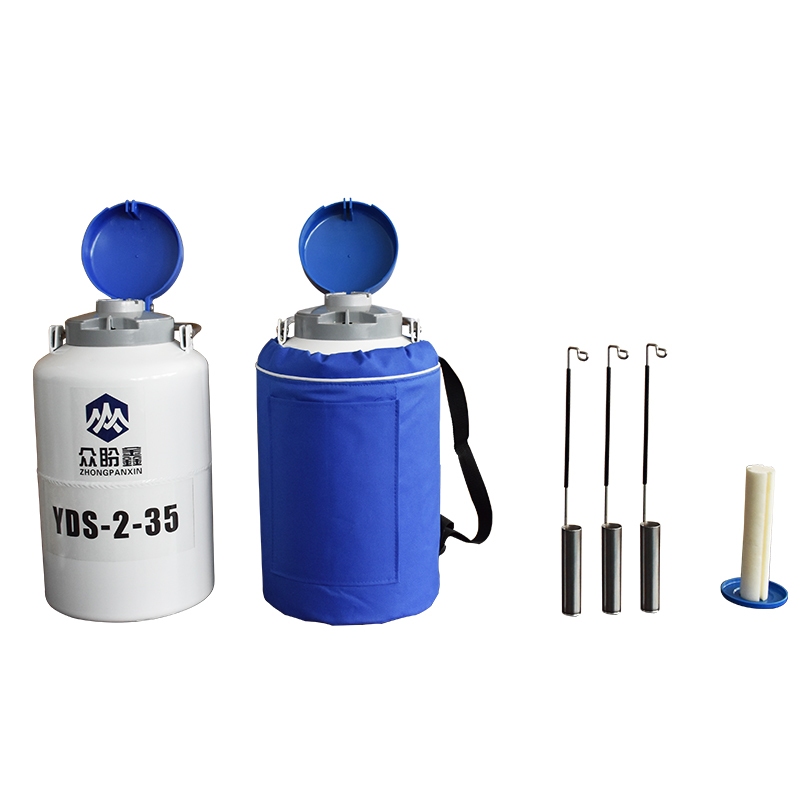
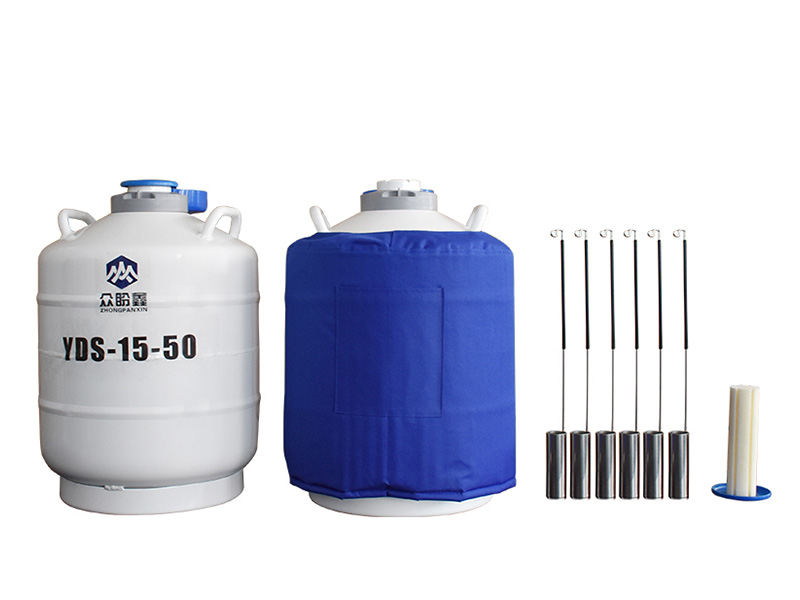
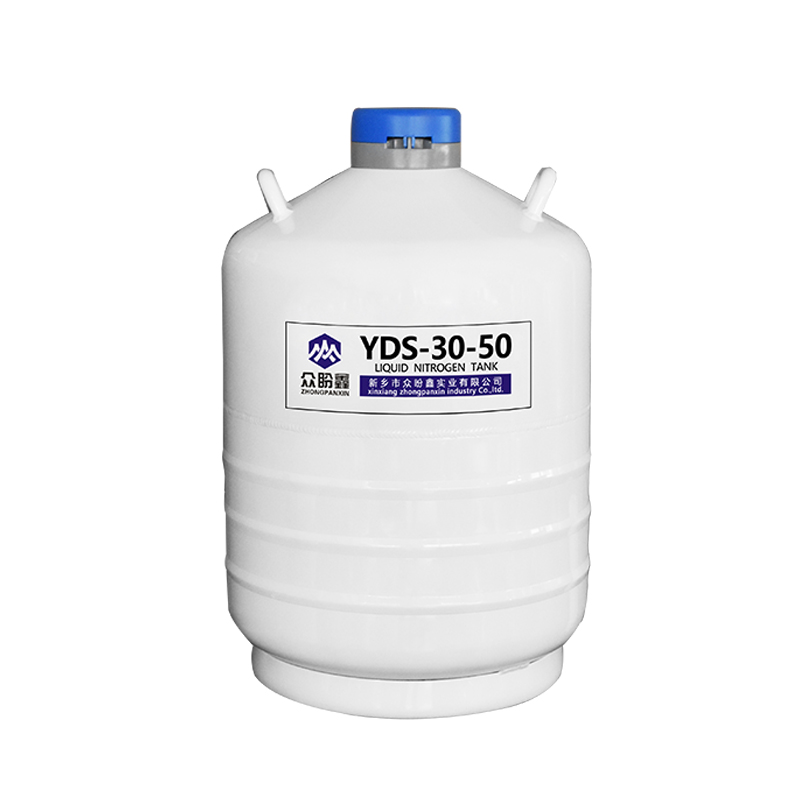
Latest Products
- 110m3 double wall cryogenic Liqu
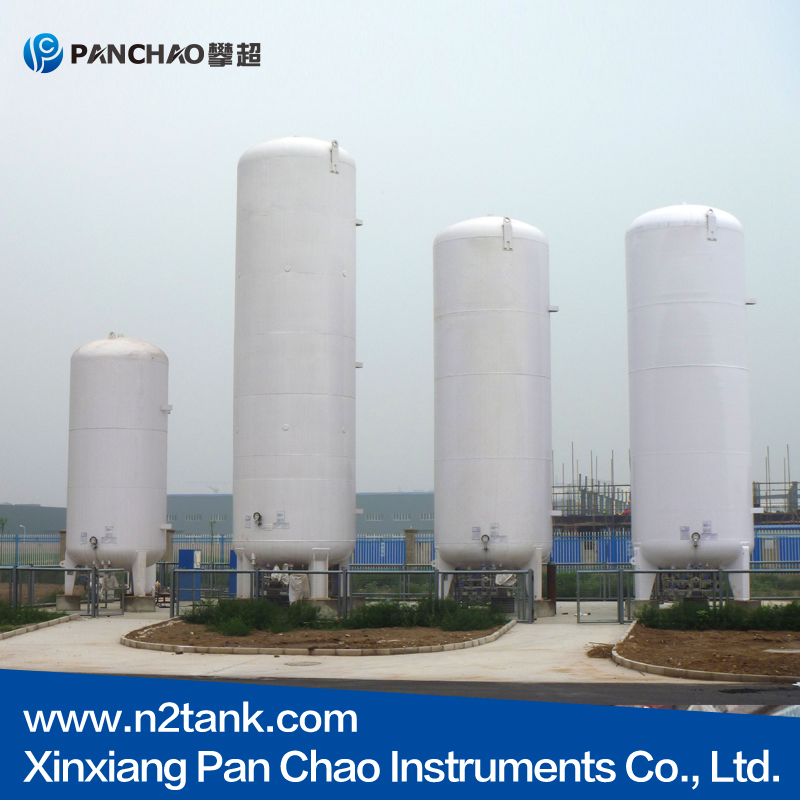
Cryogenic Liquid Tanks are available in vertical or horizonta...[more]
- 2vertical stainless steel pressu
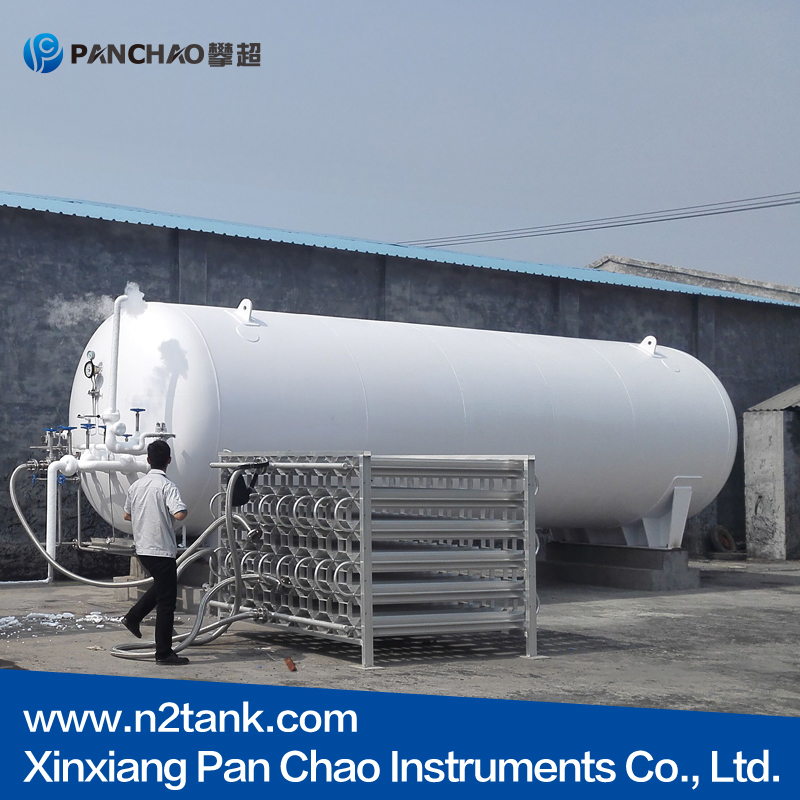
Cryogenic Liquid Tanks are available in vertical or horizonta...[more]
- 310 cubic meters cryogenic Liqui
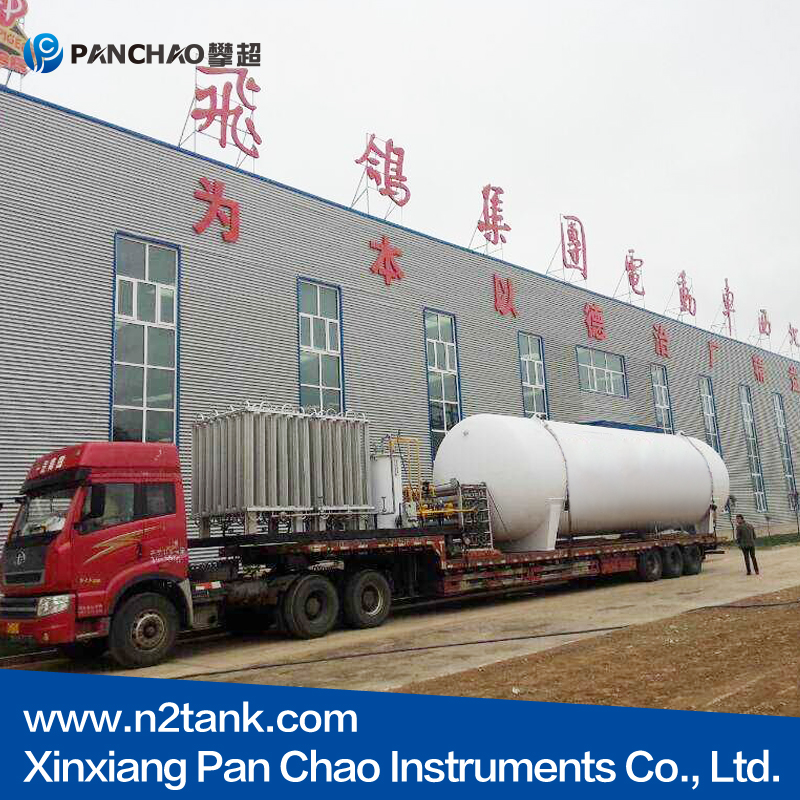
Cryogenic Liquid Tanks are available in vertical or horizonta...[more]
- 4GB150 pressure vessels cryogeni
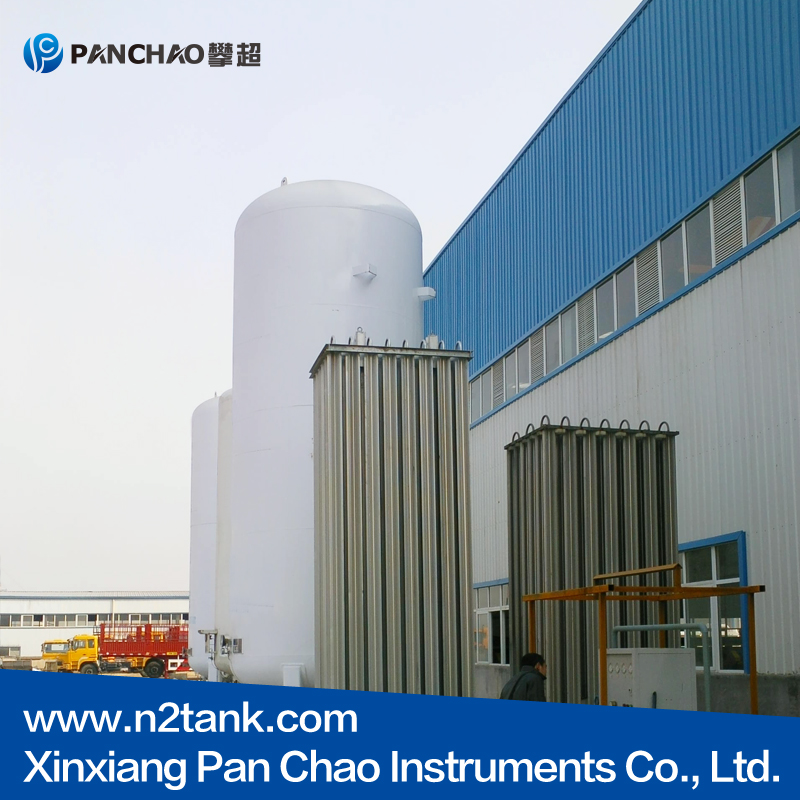
Cryogenic Liquid Tanks are available in vertical or horizonta...[more]
- 5New double Vertical cryogenic L
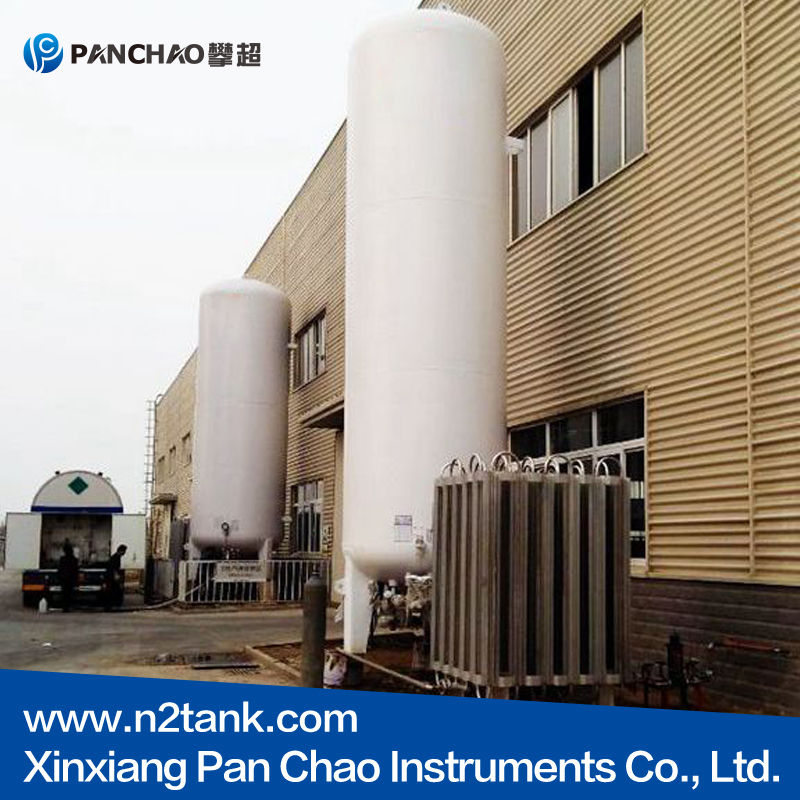
Cryogenic Liquid Tanks are available in vertical or horizonta...[more]
Rankings Of Similar Articles
- Why Is the Internal Support Structure of a Liquid Nitrogen Co
- Why Does the Evaporation Rate of Liquid Nitrogen Containers I
- Why Can’t Liquid Nitrogen Containers Be Completely Sealed?
- Why Is the Neck Tube Material of a Liquid Nitrogen Container
- Why Liquid Nitrogen Dewars Should Not Be Stored Empty Long-Te
- Which Cryogenic Biological Samples Are Suitable for Storage i
- Why Concentricity Between the Inner and Outer Vessels of a Li
- Why the Vacuum Layer of a Liquid Nitrogen Tank Cannot Be Repa
- Why Portable Liquid Nitrogen Tanks Place Higher Demands on Va
- Aluminum Alloy vs. Stainless Steel Liquid Nitrogen Tanks: Adv
Latest Information
- Does Frost on the Outside of a Liquid Nitrogen Tank Always In
- Why Liquid Nitrogen Dewars Should Not Be Stored Empty Long-Te
- How to Understand the Static Evaporation Rate of a Liquid Nit
- Aluminum Alloy vs. Stainless Steel Liquid Nitrogen Tanks: Adv
- The Cooling Principle of Liquid Nitrogen Tanks: How Do They M
- The Vacuum Layer in Liquid Nitrogen Tanks: Invisible but Esse
- Holiday Notice
- Storage Environment Requirements for Liquid Nitrogen Tanks: T
- Hot sale thawing cup
- Storage of liquid nitrogen tank
