
LN₂ Tank Inner Vessel Manufacturing Process Explained
The inner vessel is the heart of any liquid nitrogen tank. Its manufacturing process directly determines the tank's thermal performance, structural integrity, and service life. Here is a detailed breakdown of how this critical component is made.
Material Selection: The Foundation
The inner vessel requires materials that maintain strength at -196°C without becoming brittle . Manufacturers typically choose one of two options:
Austenitic stainless steel (304L or 316L) offers excellent low-temperature toughness and corrosion resistance. It withstands the pressure from LN₂ vaporization while remaining ductile at cryogenic temperatures .
Aerospace-grade aluminum alloy provides a lighter alternative. While aluminum conducts heat more readily, its lower weight makes it preferable for portable tanks .
The material selection also dictates the filler metal. For stainless steel vessels, welders use ER308L or ER308LSi wire, which matches the base metal's composition and ensures consistent low-temperature performance .
Forming the Vessel Components
The inner vessel consists of two parts: a cylindrical body and two end caps (heads).
Body formation: A flat stainless steel or aluminum plate is fed through rolling machines that progressively curve it into a cylinder. The rolling process must maintain precise curvature to ensure proper fit with the heads .
Head formation: The end caps are shaped using spin forming or stamping. Spin forming rotates a metal disc while pressure tools gradually shape it into a dome. This method produces seamless heads with uniform thickness distribution .
Advanced manufacturers now use integral spin forming to produce the entire vessel from a single piece of metal. This reduces the number of welds by up to 80%, significantly lowering leak risks .
Welding: Creating a Leak-Proof Vessel
The formed components are joined using precise welding techniques.
The process: Welders first perform a root pass using gas tungsten arc welding (GTAW), also known as TIG welding. This creates a clean, penetration-controlled initial bond. For production efficiency, they then complete the joint with submerged arc welding (SAW) or metal active gas welding (MAG) .
Quality verification: Every longitudinal seam (along the cylinder body) and circumferential seam (connecting heads to the body) undergoes 100% non-destructive testing. Radiographic testing (X-ray) or ultrasonic testing reveals any internal flaws like porosity or incomplete fusion .
Neck Tube: The Critical Thermal Bridge
The neck tube connects the inner vessel to the outside world. Every millimeter of this component conducts heat into the tank, so its design is crucial.
Engineers have developed non-uniform wall thickness designs for neck tubes . These tubes are thicker at both ends (where strength matters for welding) but thinner in the middle (where minimizing heat conduction is priority). This "waisted" design can reduce heat transfer by 15-20% compared to uniform-thickness tubes .
Surface Preparation
Before insulation application, the welded inner vessel undergoes strict cleaning:
Degreasing removes all machining oils and handling residues. For tanks that will store liquid oxygen, this step is critical—residual oil can react explosively .
Passivation treats the stainless steel surface with acid to restore its chromium oxide layer, enhancing corrosion resistance .
Final Inspection
A completed inner vessel must pass:
-
Dimensional verification confirming all tolerances
-
Pressure testing at 1.25× design pressure
-
Leak detection using helium mass spectrometry (leak rate ≤1×10⁻⁸ Pa·m³/s)
Once approved, the inner vessel proceeds to insulation wrapping and assembly inside the outer shell—but that is a separate process.
The quality of the inner vessel manufacturing directly translates to tank longevity and sample safety. Every weld, every curve, and every surface treatment matters when the vessel will contain -196°C liquid nitrogen for years of service.
Relevant Information
- How Weld Quality Affects Liquid Nitrogen Tank Service Life
- LN₂ Tank Neck Plugs: Much More Than Dust Covers
- LN₂ Tank Annular Structure: The Secret to Low Evaporation Rates
- Why Does Vacuum Degree Determine LN₂ Tank Thermal Performance?
- Long-Term Sample Storage in Liquid Nitrogen Tanks: Key Considerations
- Engineering Logic Behind Material Selection for Liquid Nitrogen Container Inner
- Quality Evaluation Standards for the Vacuum Pumping Process of Liquid Nitrogen
- Five Common Operational Mistakes When Using Liquid Nitrogen Tanks
- Does Frost on the Outside of a Liquid Nitrogen Tank Always Indicate a Quality P
- Design Differences Between Laboratory and Transport Liquid Nitrogen Tanks
Latest Products
- 110m3 double wall cryogenic Liqu
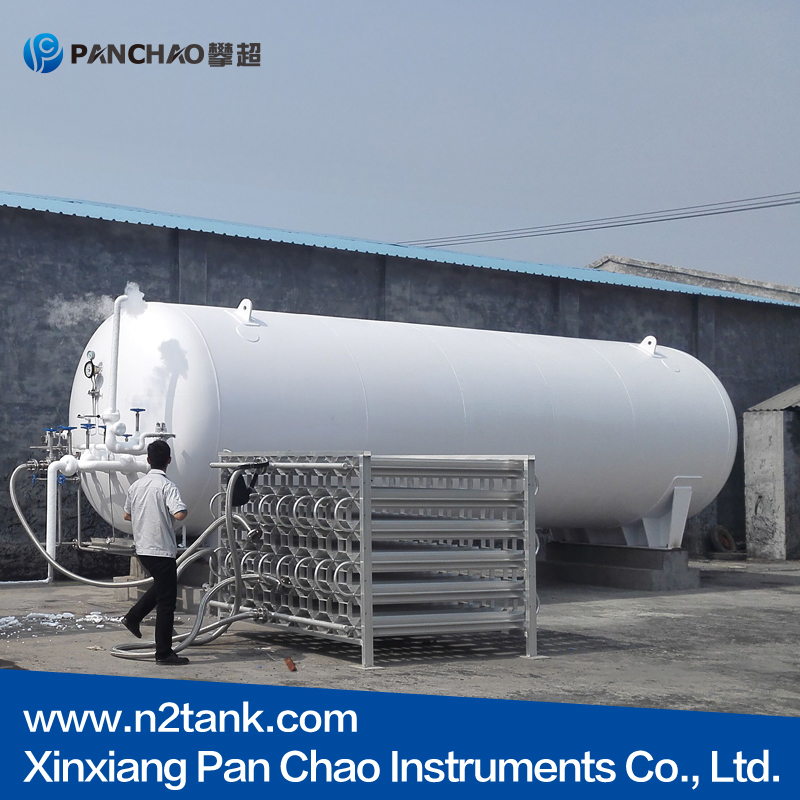
Cryogenic Liquid Tanks are available in vertical or horizonta...[more]
- 2vertical stainless steel pressu
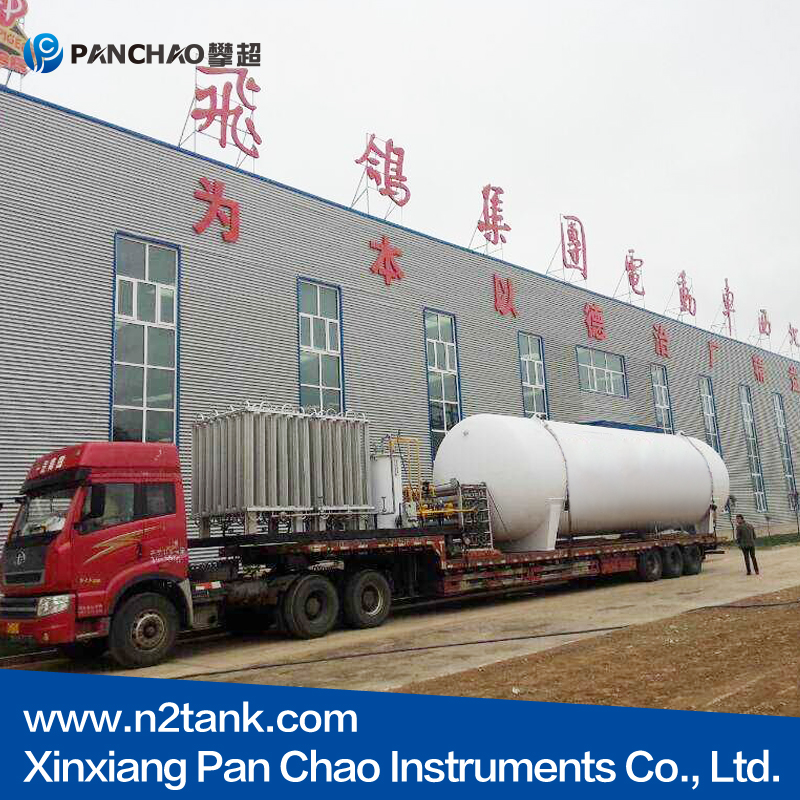
Cryogenic Liquid Tanks are available in vertical or horizonta...[more]
- 310 cubic meters cryogenic Liqui
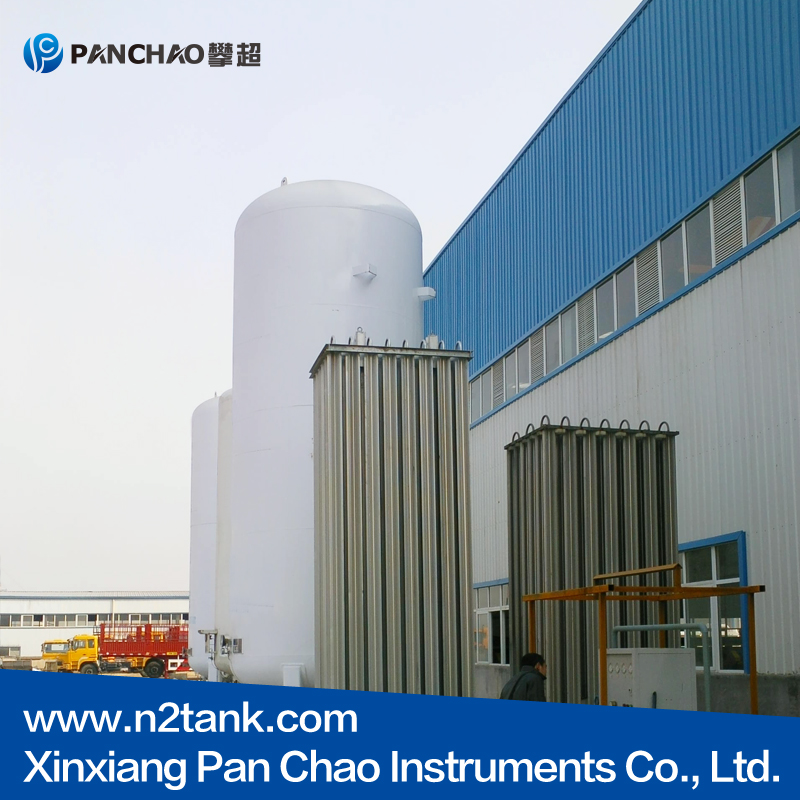
Cryogenic Liquid Tanks are available in vertical or horizonta...[more]
- 4GB150 pressure vessels cryogeni
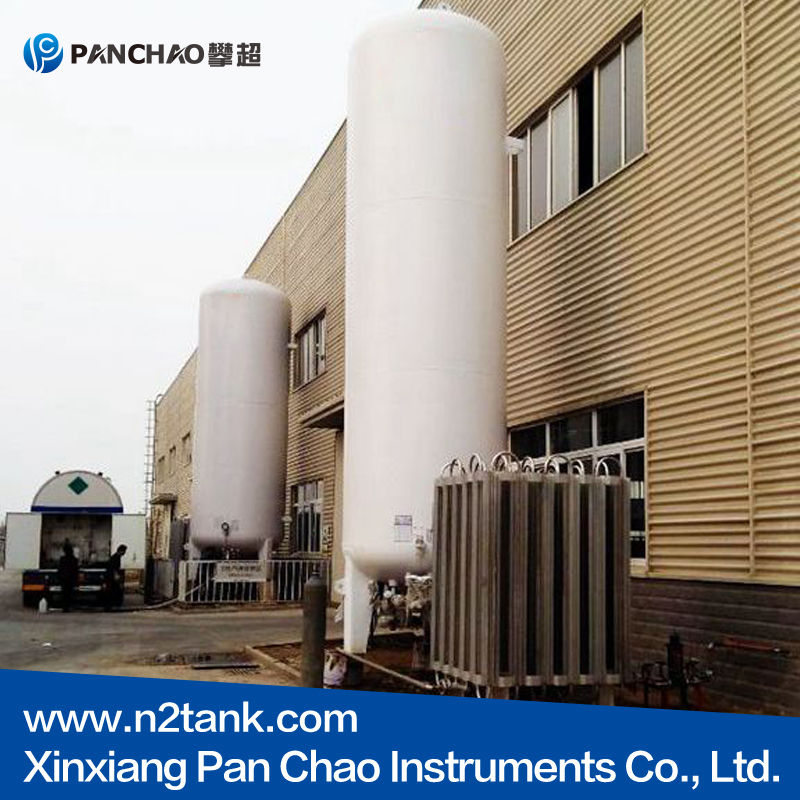
Cryogenic Liquid Tanks are available in vertical or horizonta...[more]
- 5New double Vertical cryogenic L
Cryogenic Liquid Tanks are available in vertical or horizonta...[more]
Rankings Of Similar Articles
- How Weld Quality Affects Liquid Nitrogen Tank Service Life
- LN₂ Tank Neck Plugs: Much More Than Dust Covers
- LN₂ Tank Annular Structure: The Secret to Low Evaporation R
- Why Does Vacuum Degree Determine LN₂ Tank Thermal Performan
- Long-Term Sample Storage in Liquid Nitrogen Tanks: Key Consid
- Engineering Logic Behind Material Selection for Liquid Nitrog
- Quality Evaluation Standards for the Vacuum Pumping Process o
- Five Common Operational Mistakes When Using Liquid Nitrogen T
- Does Frost on the Outside of a Liquid Nitrogen Tank Always In
- Design Differences Between Laboratory and Transport Liquid Ni
Latest Information
- Does Frost on the Outside of a Liquid Nitrogen Tank Always In
- Why Liquid Nitrogen Dewars Should Not Be Stored Empty Long-Te
- How to Understand the Static Evaporation Rate of a Liquid Nit
- Aluminum Alloy vs. Stainless Steel Liquid Nitrogen Tanks: Adv
- The Cooling Principle of Liquid Nitrogen Tanks: How Do They M
- The Vacuum Layer in Liquid Nitrogen Tanks: Invisible but Esse
- Holiday Notice
- Storage Environment Requirements for Liquid Nitrogen Tanks: T
- Hot sale thawing cup
- Storage of liquid nitrogen tank
